
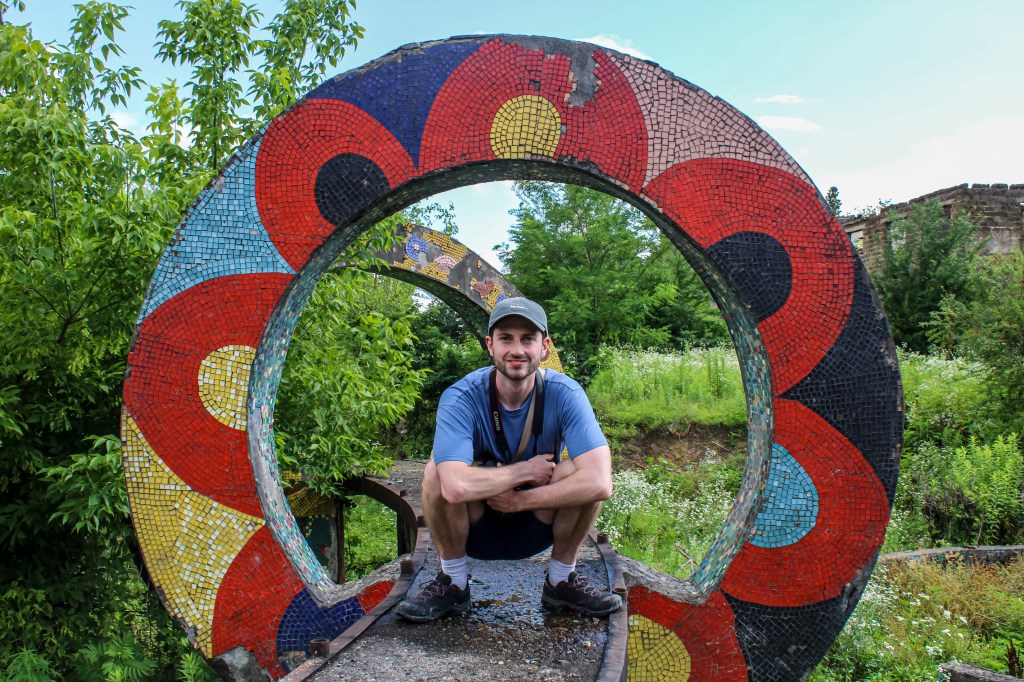
Procrastinating is a love of mine. Usually, this will manifest itself in a quick café trip or an unnecessary walk around the leafy streets of north-east London. But this time, my procrastination manifested itself at a whole new level. Why not put off writing my masters dissertation with a 2-week trip wandering across the Caucasus.
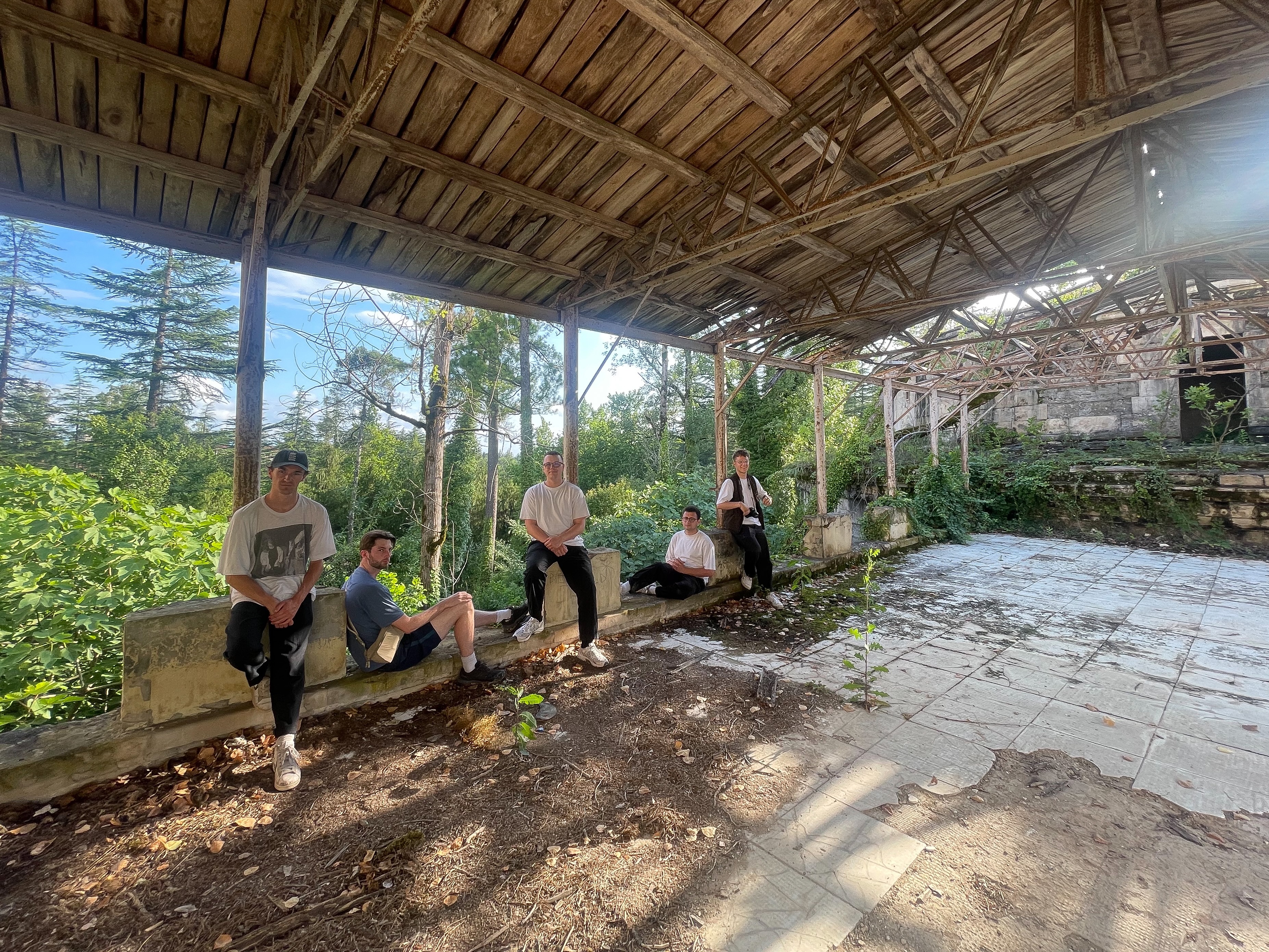
The Caucasin’ M’n
The Caucasin’ M’n, as we called ourselves, contained a mixture of post-soviet space veterans and obsessives, as well some virgins to the weird and wonderful of the Soviet empire’s periphery. Georgia is a country I love and have visited a number of times over the last couple of years. However, to begin in Kutaisi allowed the weird and wonderful to shine through.
Kutaisi was my first introduction to Georgia in the summer of 2021. I arrived at Kutaisi International Airport, a small modern airport around 30 minutes from the city, in the middle of the night. I was subsequently met by a Nigerian medical student in a Dodge Challenger who drove me to my hostel. Dingo Backpackers Hostel was my first real hostel experience back then, and in the few days I spent there, I felt entirely at home. Ever since I had wanted to return, and with a group of friends equally as keen as me to go to the nearby abandoned Soviet resort town of Tskaltubo, the time had finally come to return.
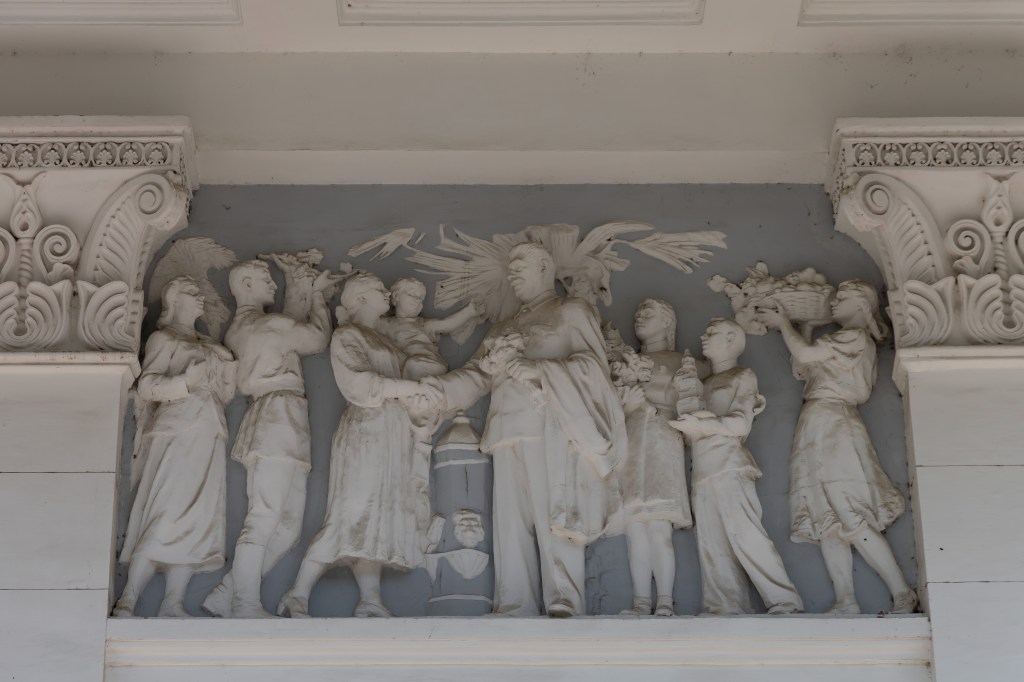
Stalin Frieze at Bathhouse No 6
Ioseb Besarionis dze Jughashvili, better known as Joseph Stalin, was born in Gori, a small city on the road between Kutaisi and Tbilisi, in late 1878. By the mid-1920s, that boy held supreme power in Moscow. Nevertheless, the attraction of a spa resort with naturally warm mineral springs in his homeland still held some personal attraction.
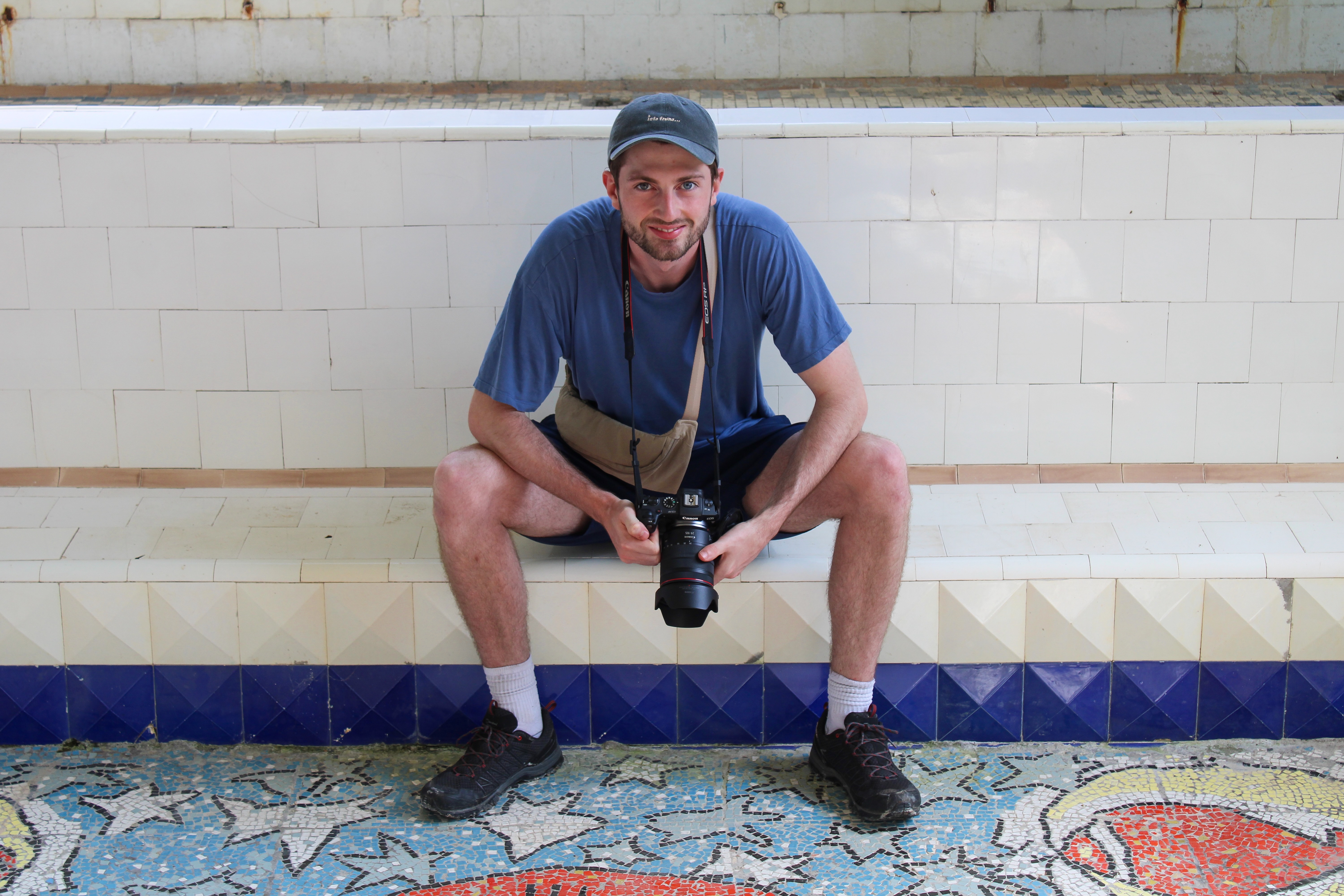
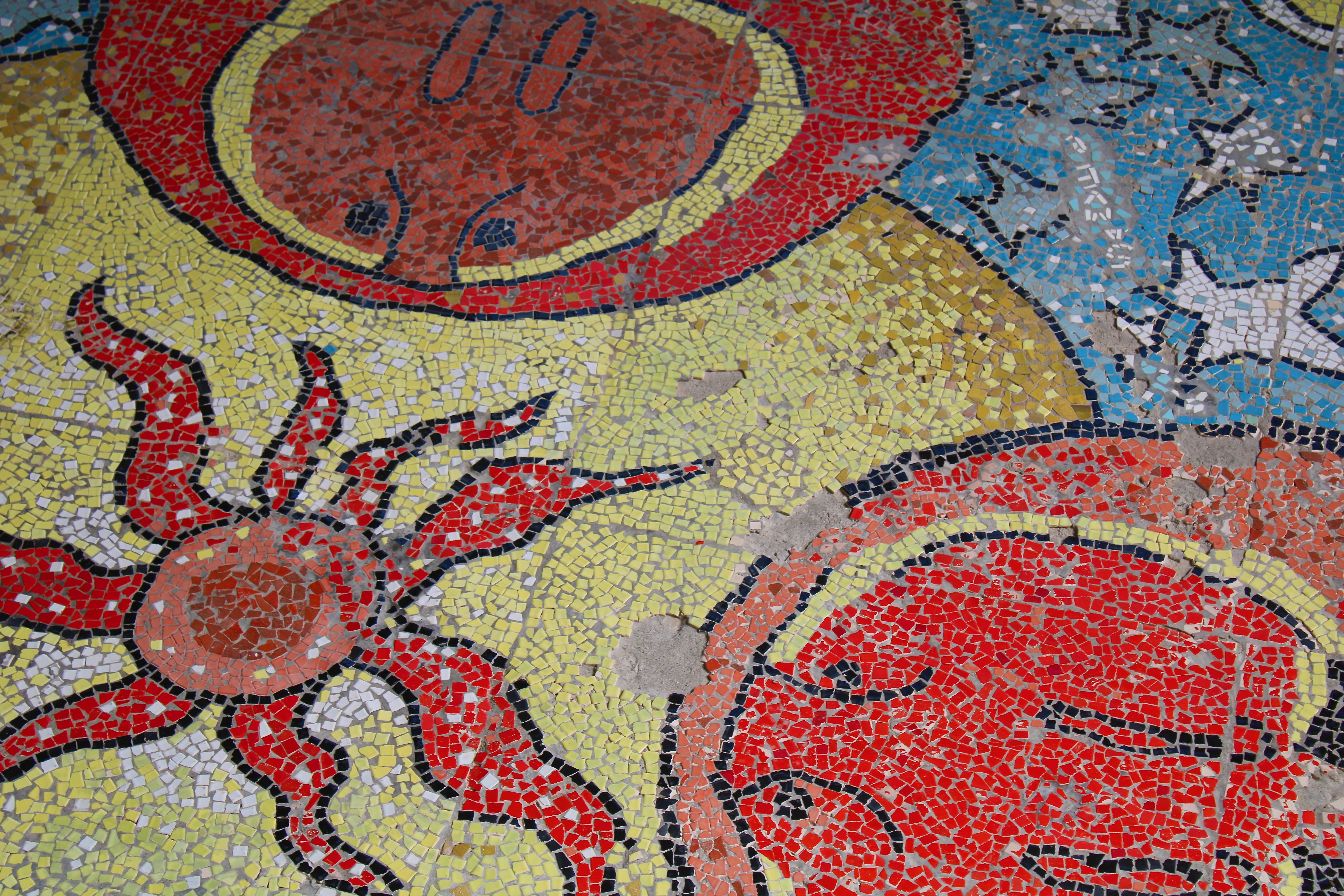
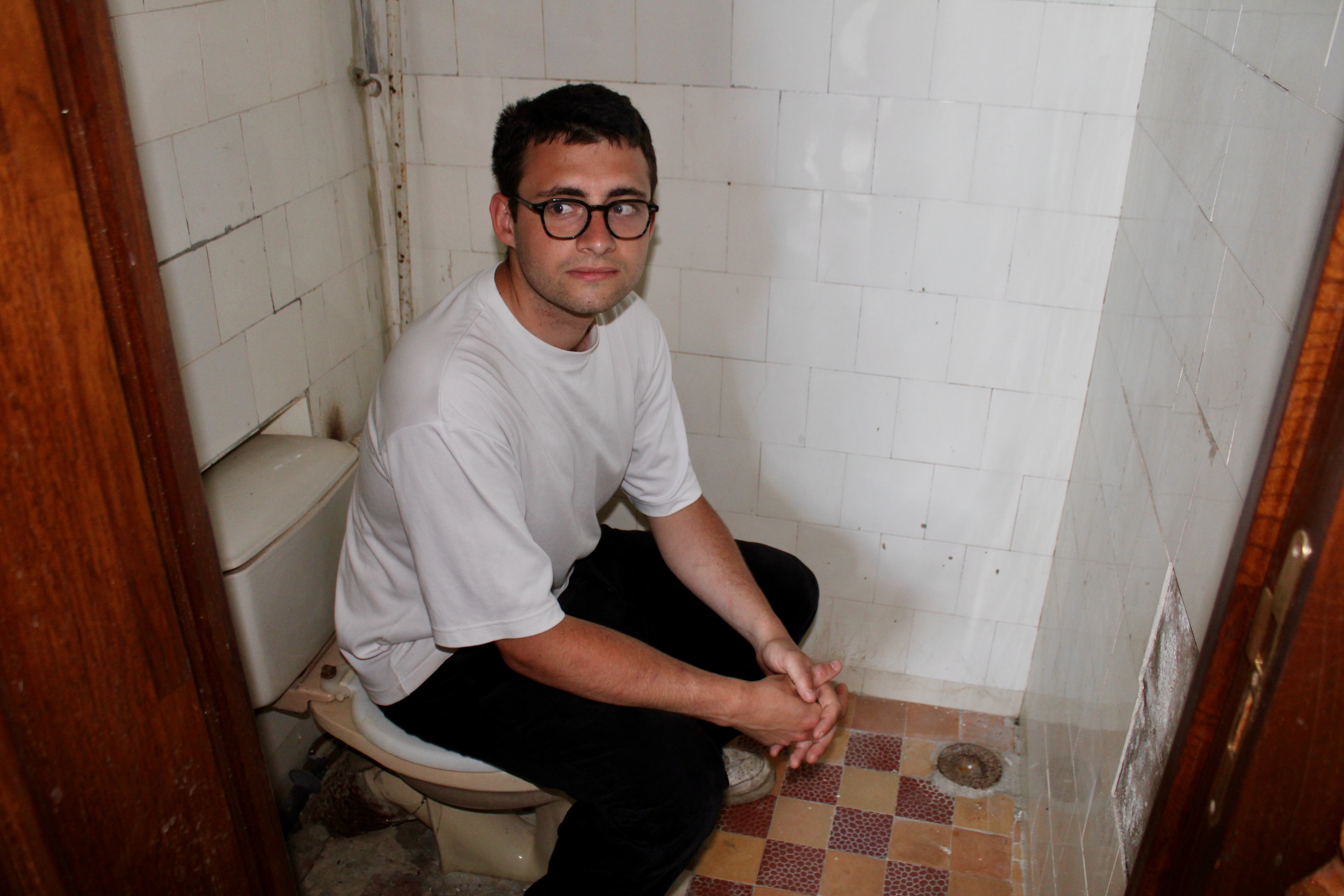
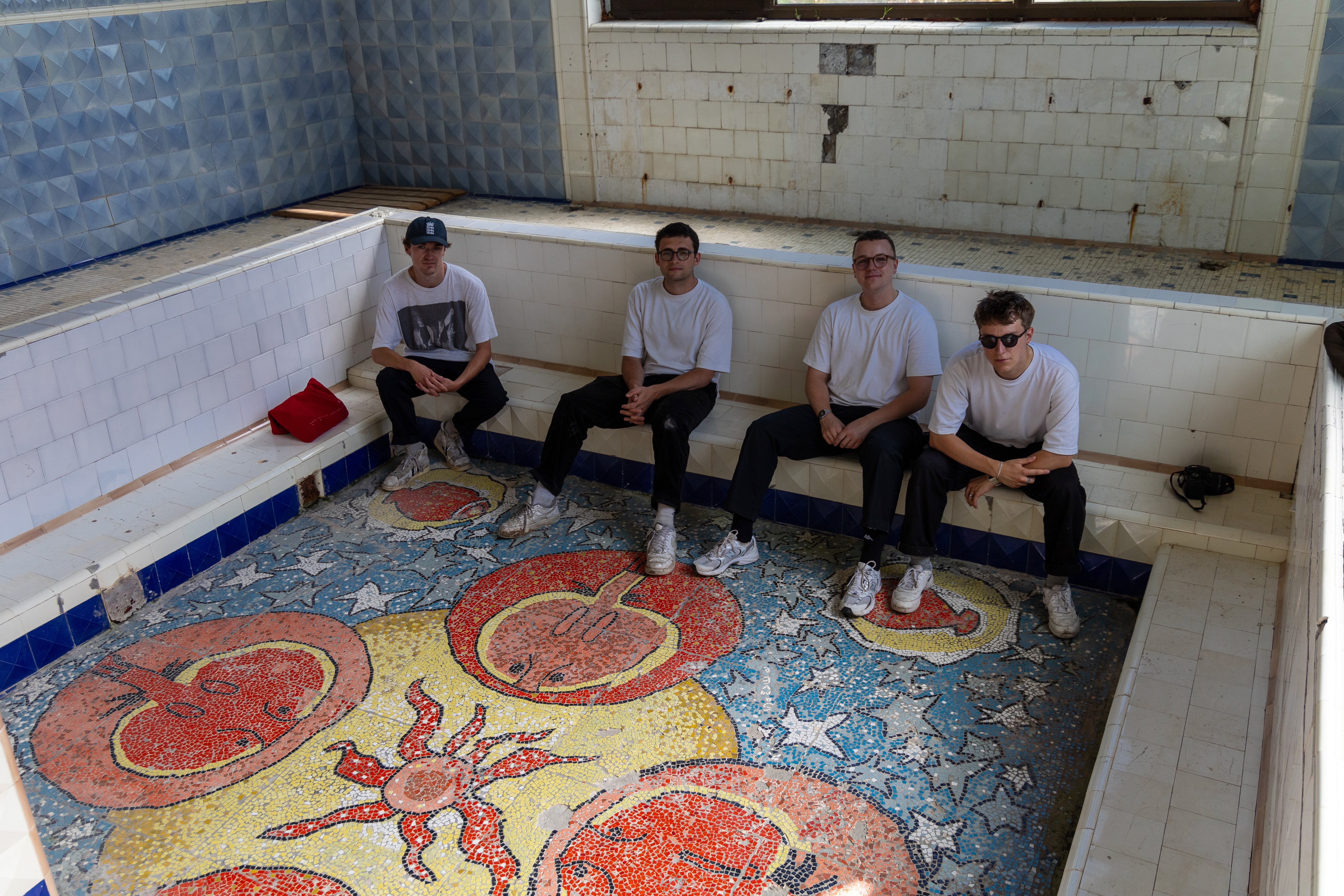
Stalin’s private bath (and toilet)
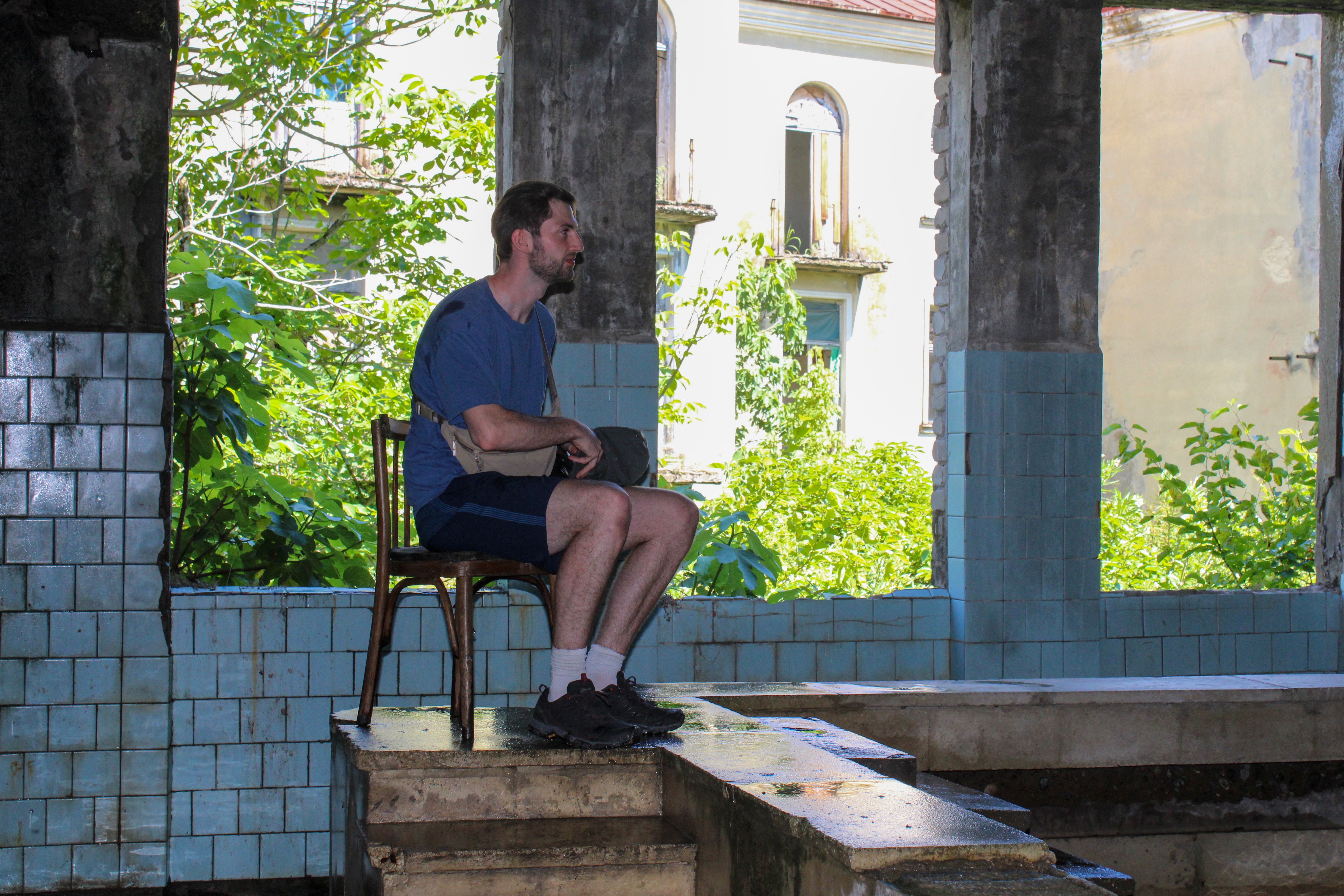
Stalin held his own private bathroom in the still active Bathhouse No 6 of Tskaltubo. The bathhouse, still ordained with a frieze of Stalin surrounded by his subjects, stands above the front door. More strangely, the staff at the bathhouse allowed us to enter Stalin’s now unused yet ornate bathroom and sit in his bath covered in mosaics and even sit on his personal toilet.
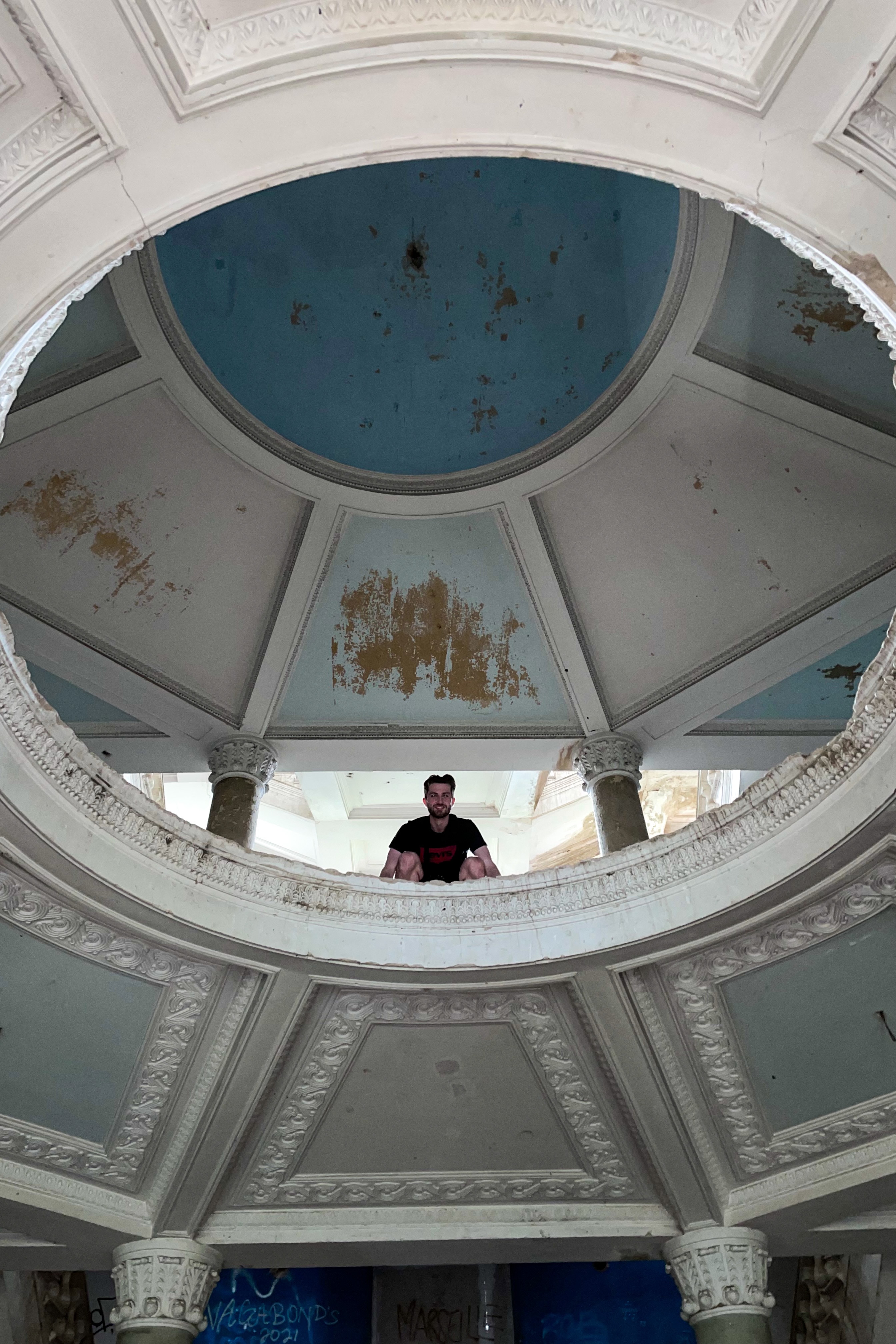
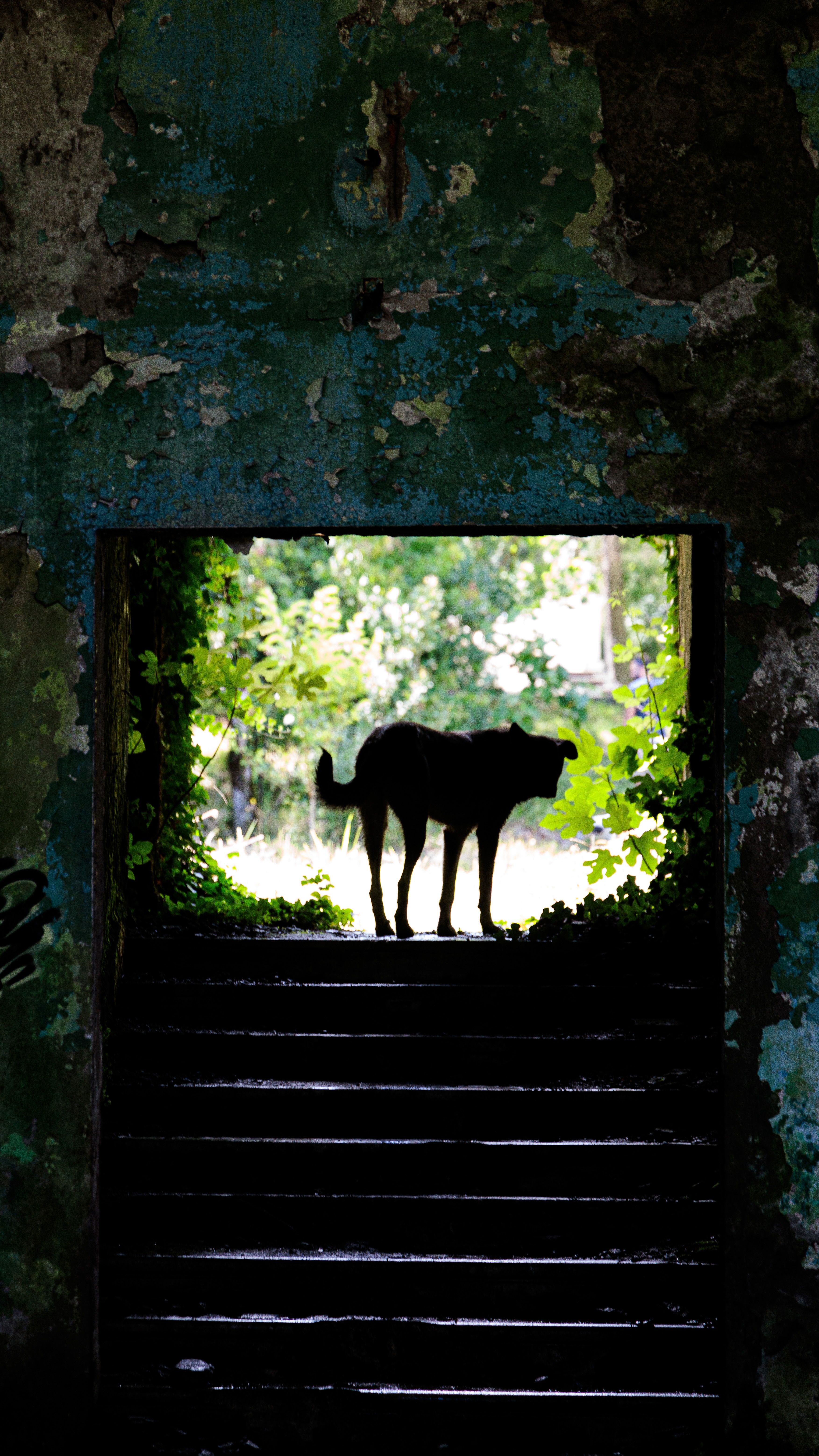
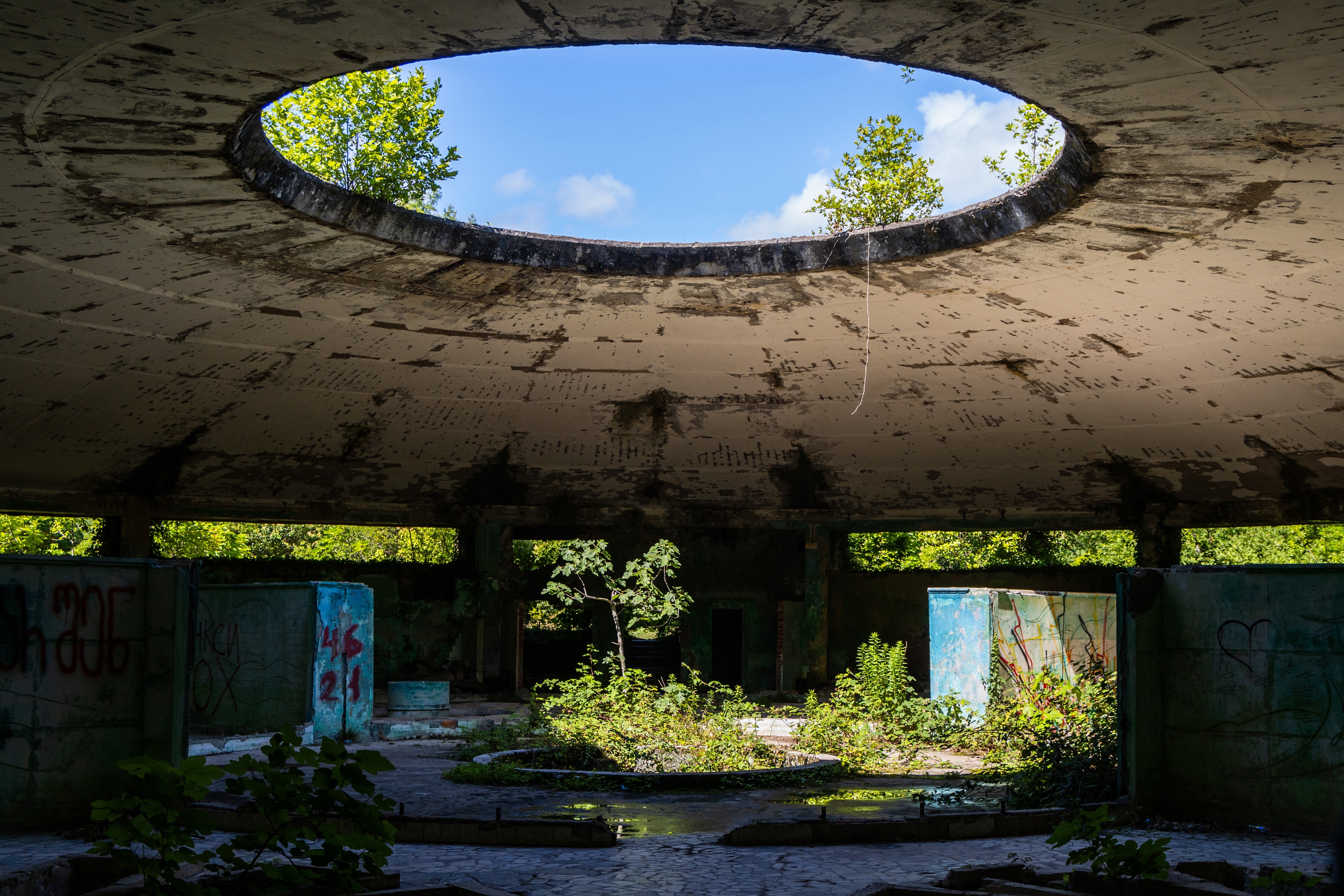
The association with Stalin is far from the only reason to visit Tskaltubo. The town is home to hundreds of Soviet-era hotels and sanatoriums, the large majority of which have stood abandoned for decades. Although increasingly so, these enormous, ornate places of relaxation for both the Soviet public and elite are being bought up by investors, many are still accessible to anyone willing to ignore the danger of death signs, missing floors and half-collapsed staircases.
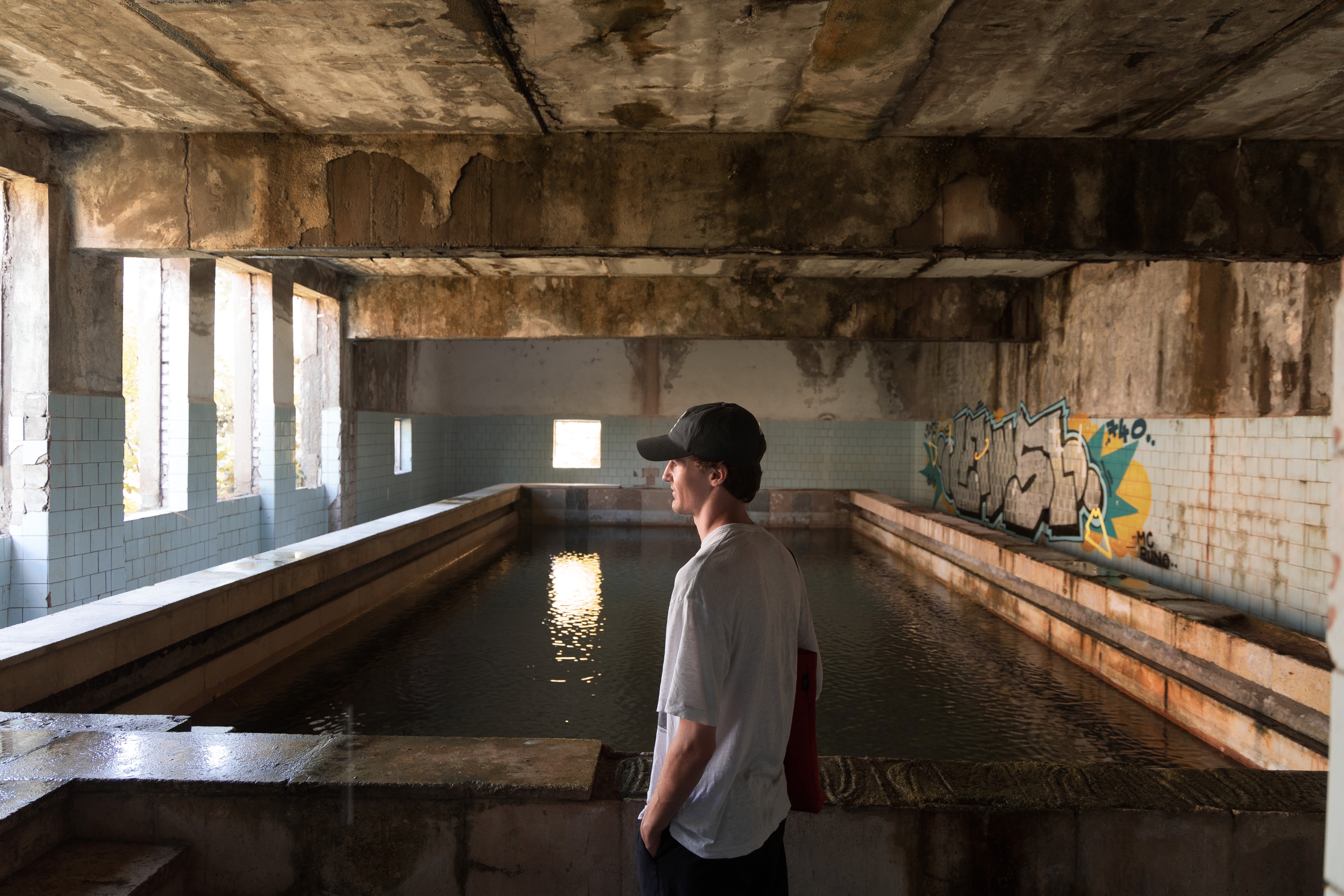
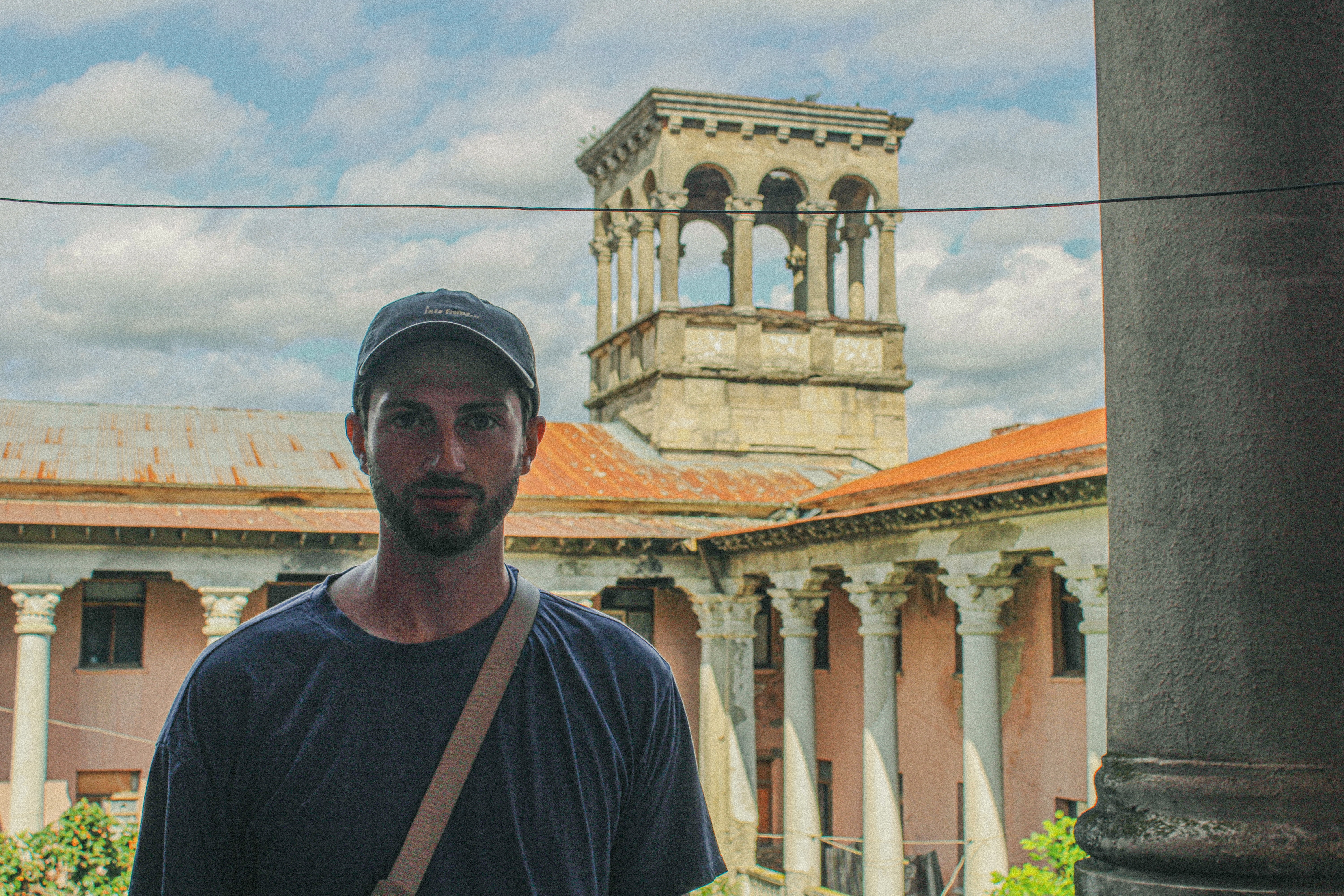
Inside Tskaltubo
Having visited Tskaltubo four times over the last few years, I’ve had the chance to visit a range of the abandoned buildings, some of which are accessible now but not two years ago and vice versa. Previously a staple of any Tskaltubo, Sanatorium Iveria is now sadly inaccessible to the public. The unique interior with a massive round cutout in the centre of the entrance hall and extensive wall art made it worth the visit alone.
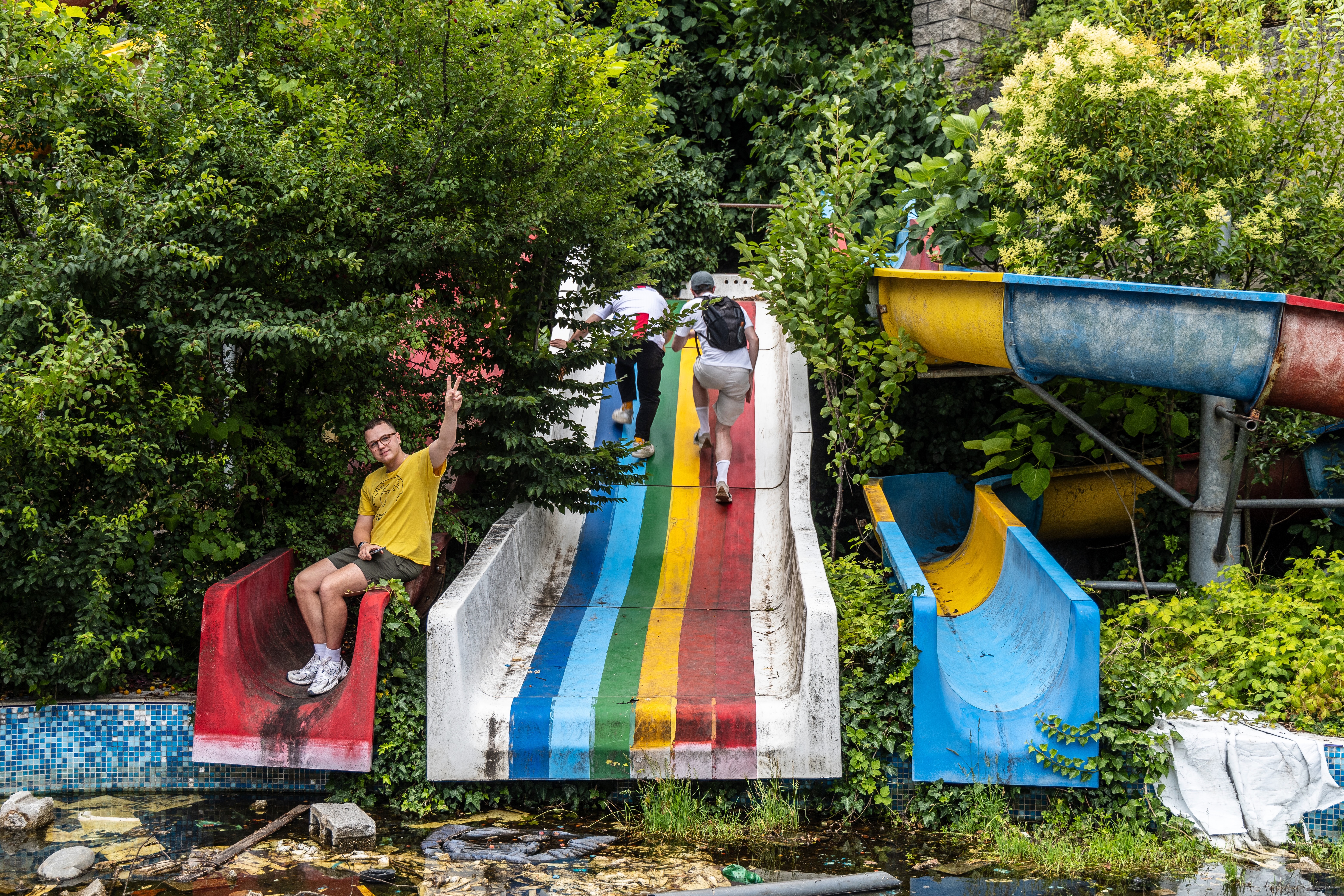
Nevertheless, there are still many other options; Sanatorium Gelati’s cinema film room and mosaiced children’s playground are perhaps my new highlight of the town. As a self-proclaimed obsessive, the mixture of Soviet film posters, architecture and art made me far more excited than I should admit.
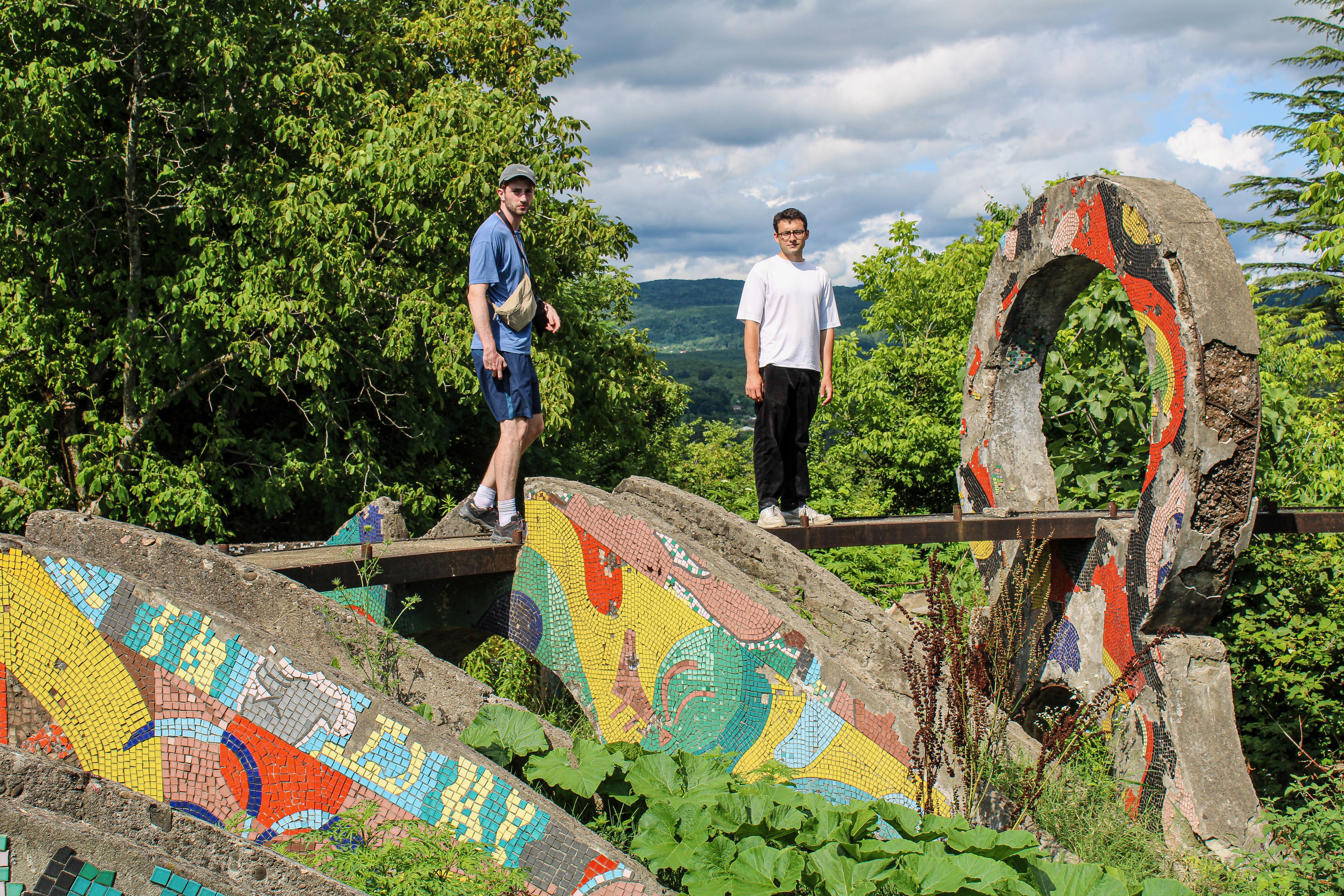
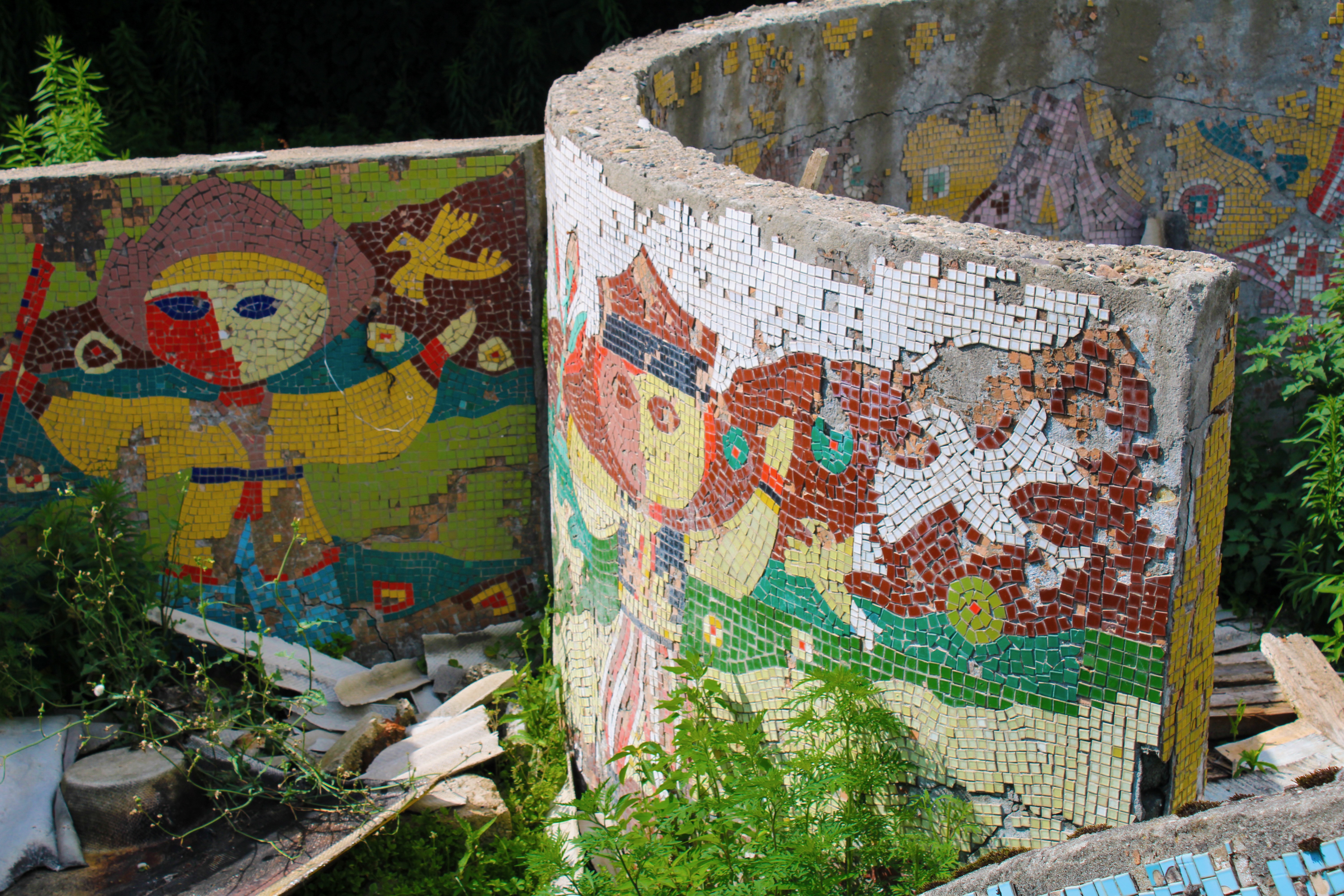
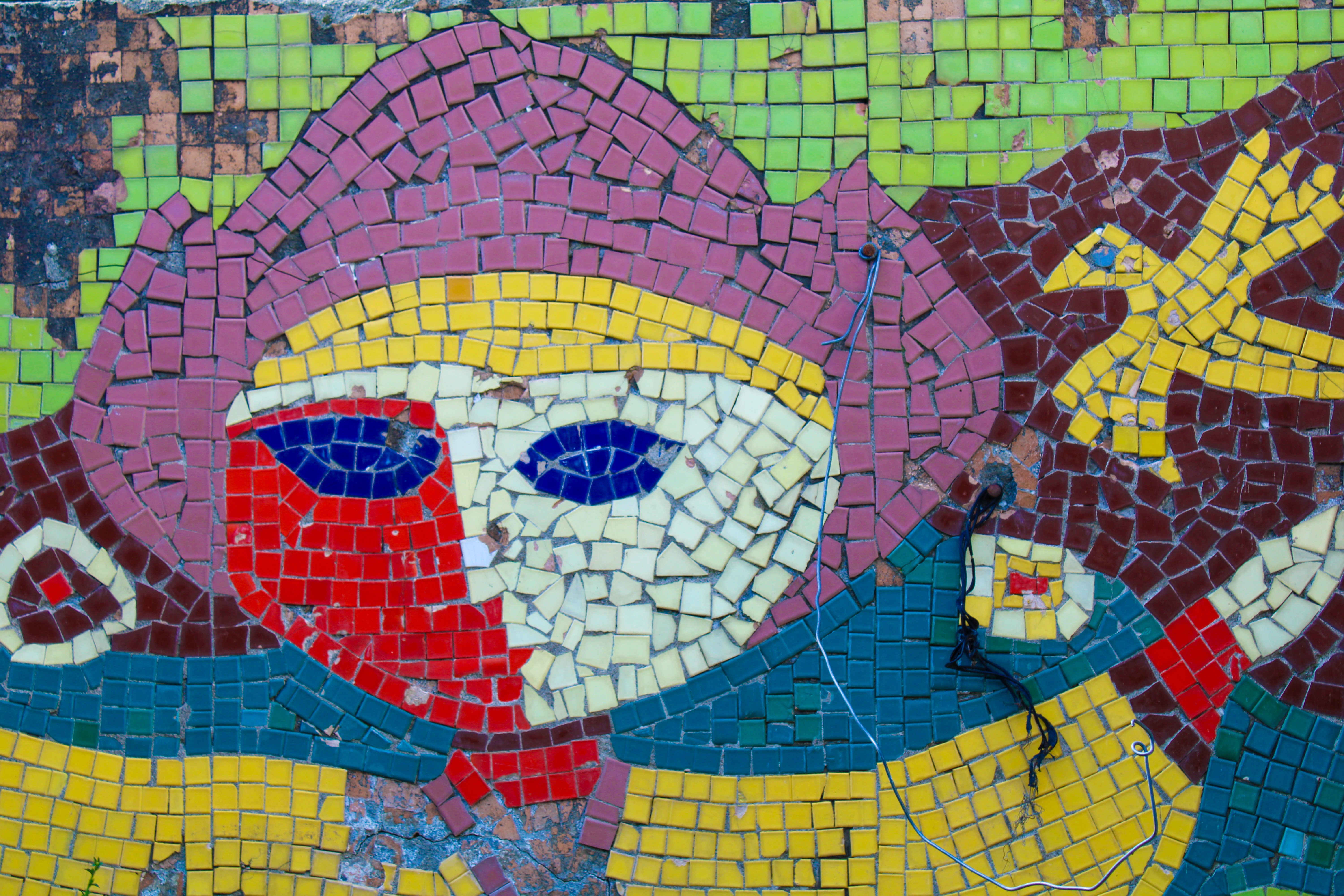
Sanatorium Gelati’s children’s playground
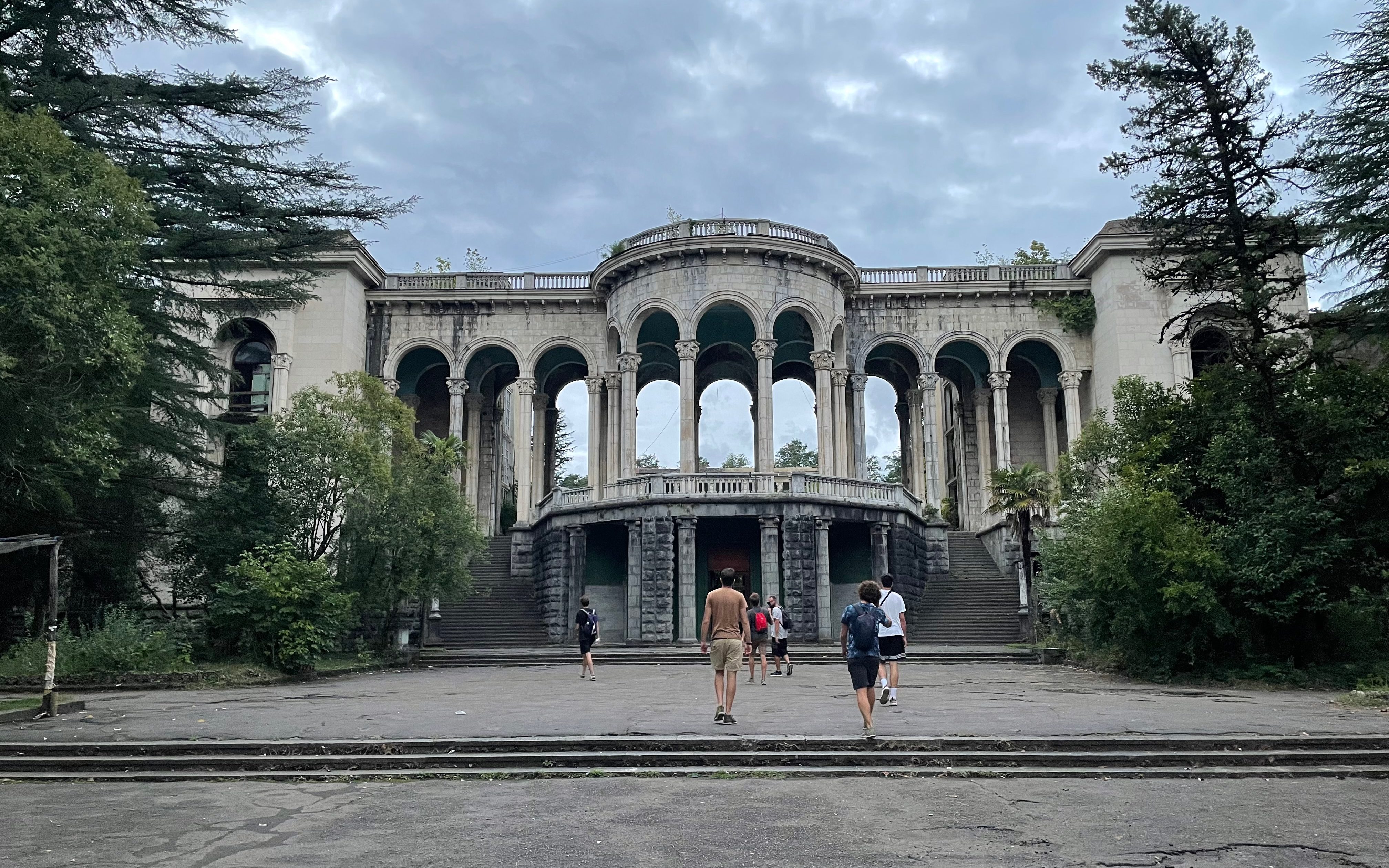
Another highlight is Sanatorium Medea, with its enormous pillared façade. The sanatorium was, until recently, populated by refugees from the region of Abkhazia. The war during the 1990s left thousands of people displaced, many of whom temporarily found refuge in the giant sanatoria of Tskaltubo. Even two years ago, many buildings, including Medea, were still heavily populated with these people. If I’m completely honest, such a situation was a little uncomfortable. At times it felt like you were walking around someone’s home uninvited. Some buildings still house refugees; if I were to return, I’d prefer to avoid these.
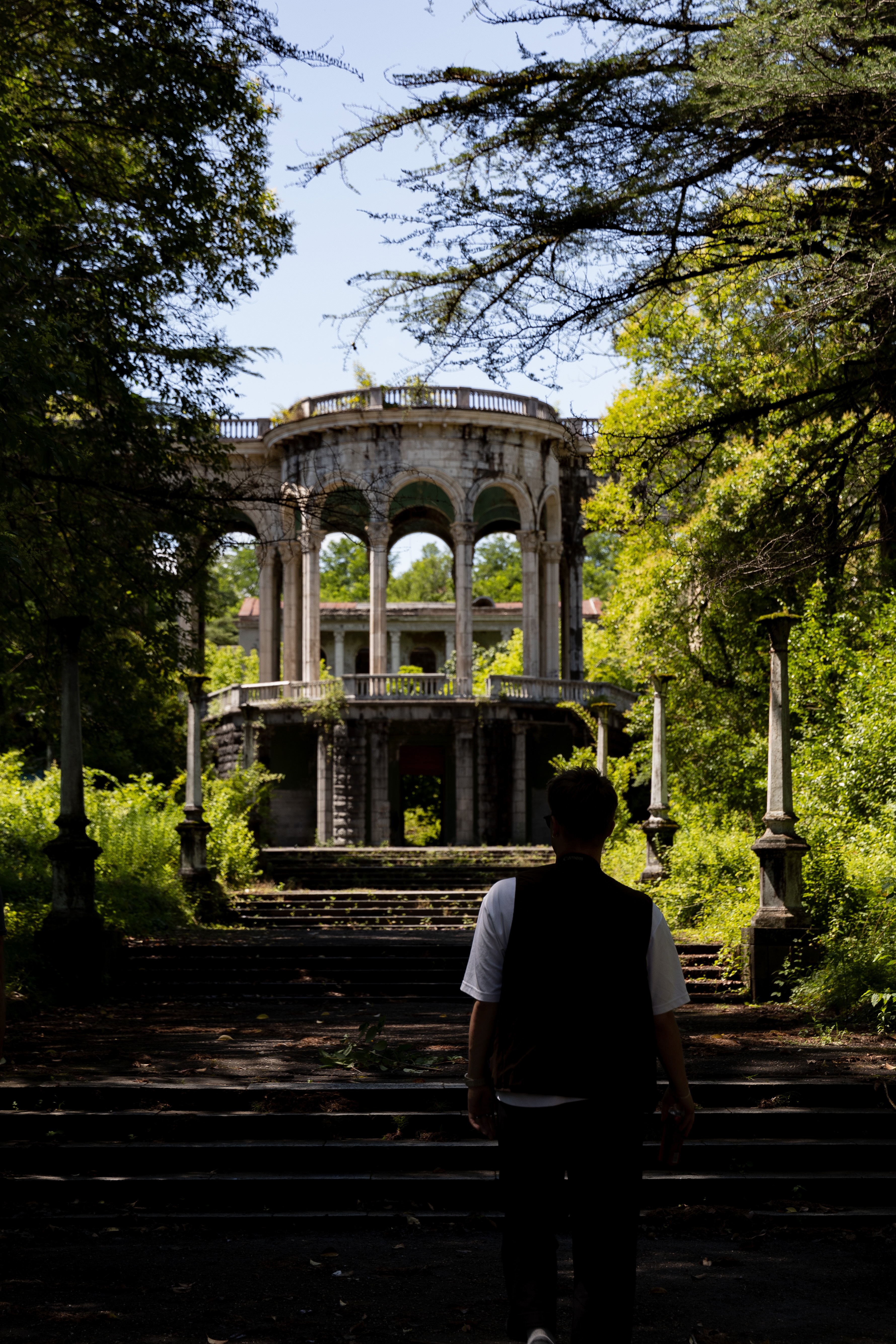
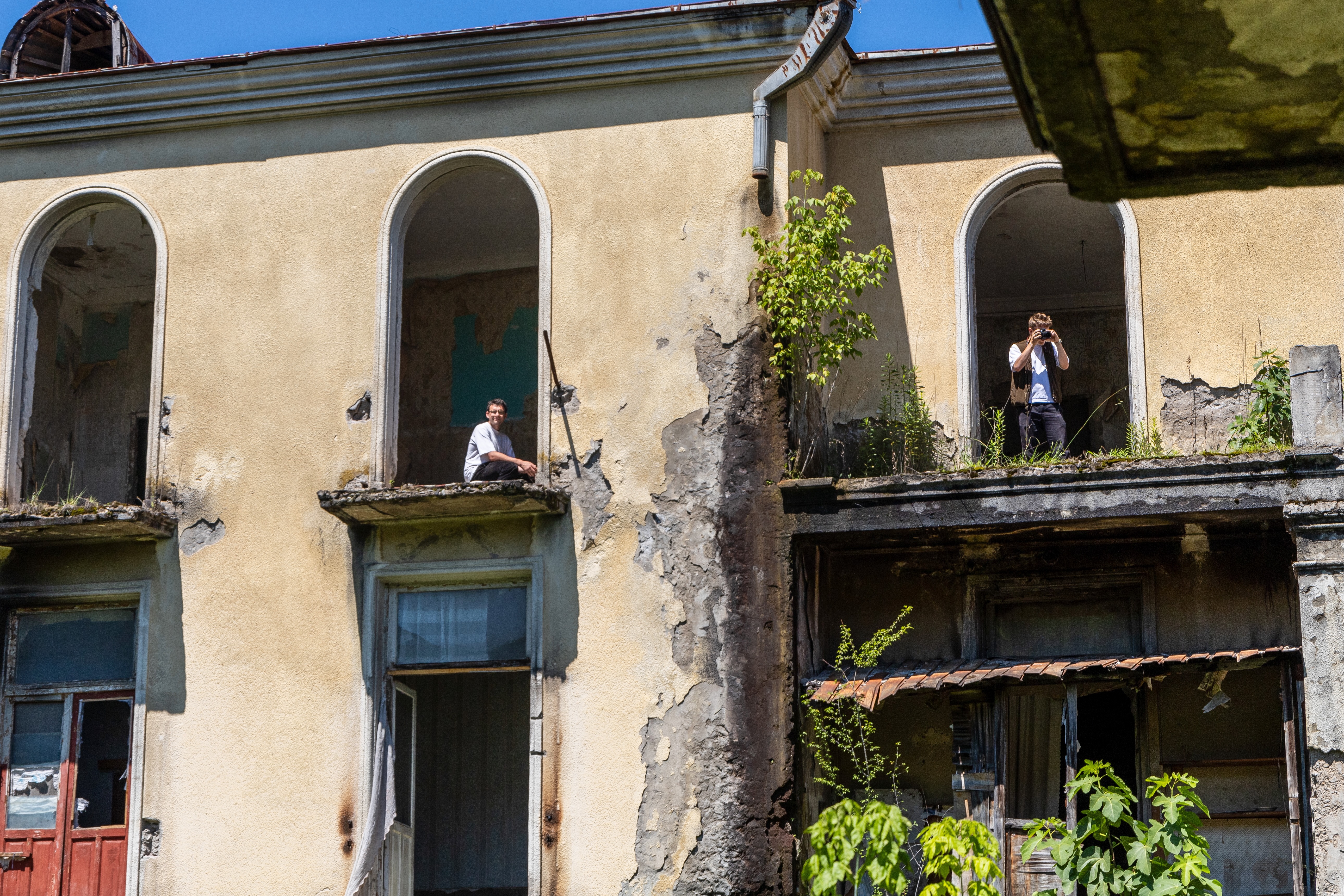
Sanatorium Medea
However, Medea no longer has any permanent residents, allowing further exploration of the building previously not possible. The remnants of the lives of the refugees of the 1990s remain scattered around Medea. Photo albums, books, and children’s toys lay unattended on the floor, allowing an unrivalled insight into the lives of people who have lived through the tumultuous times of independent Georgia.
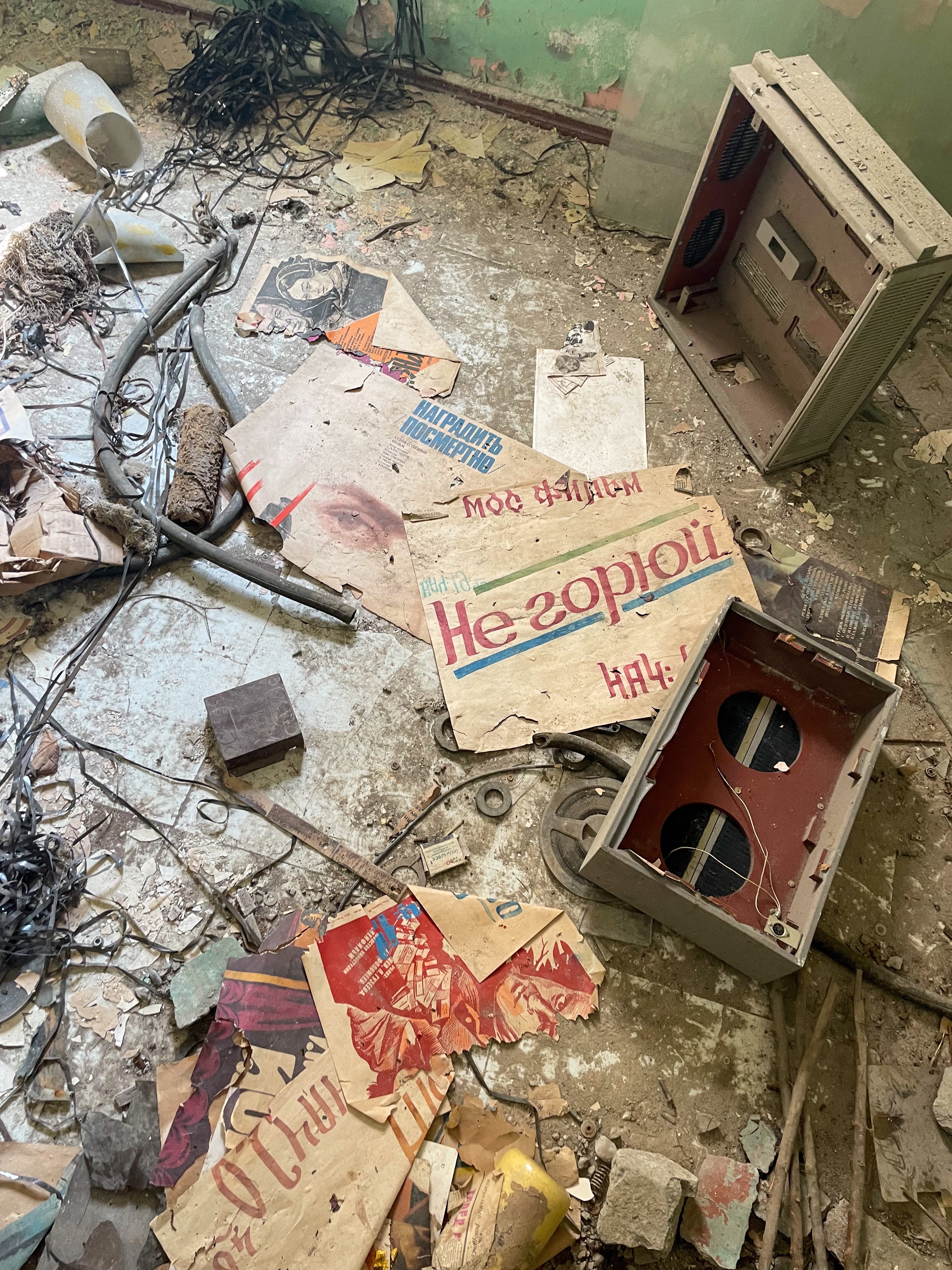
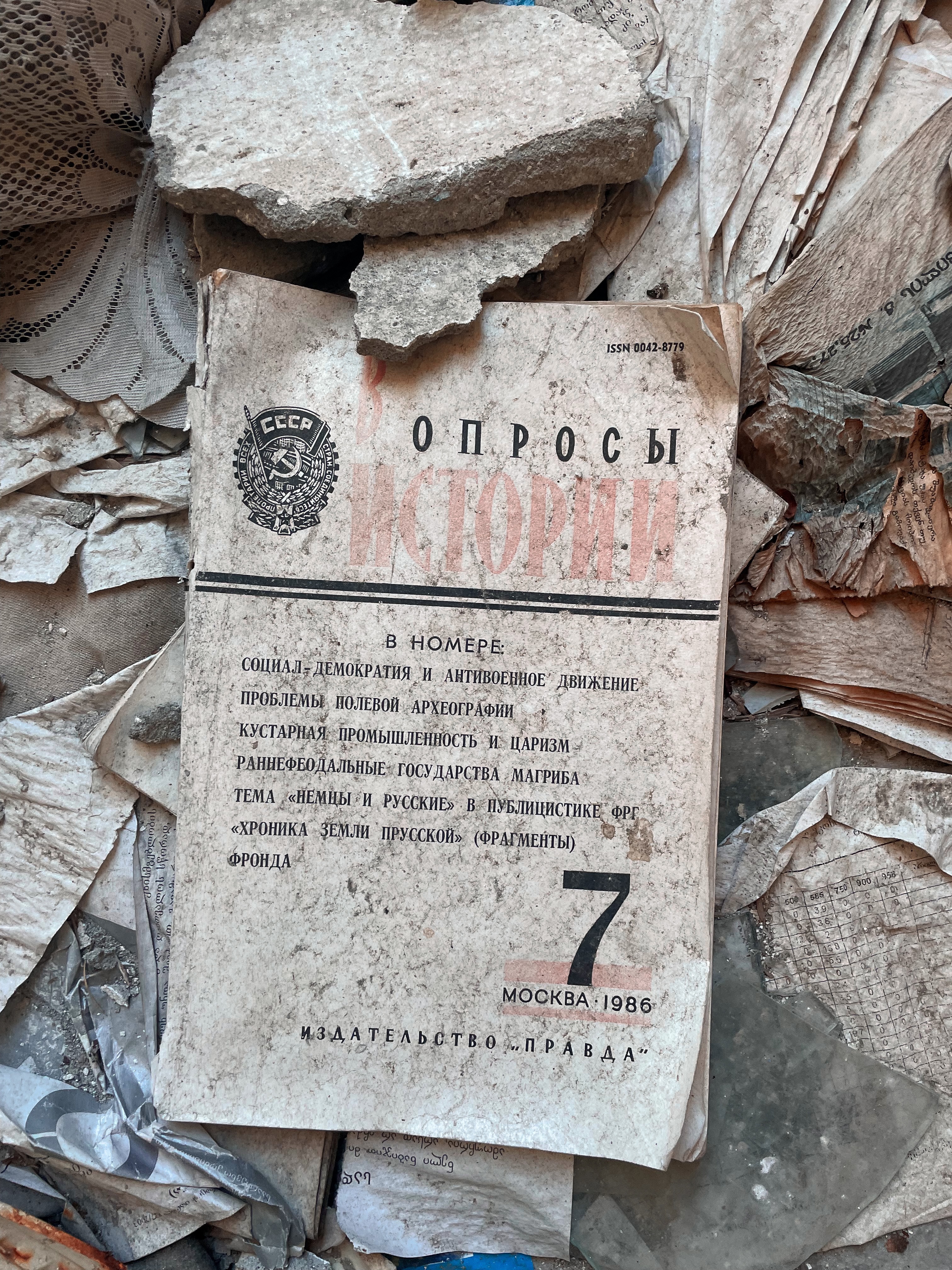
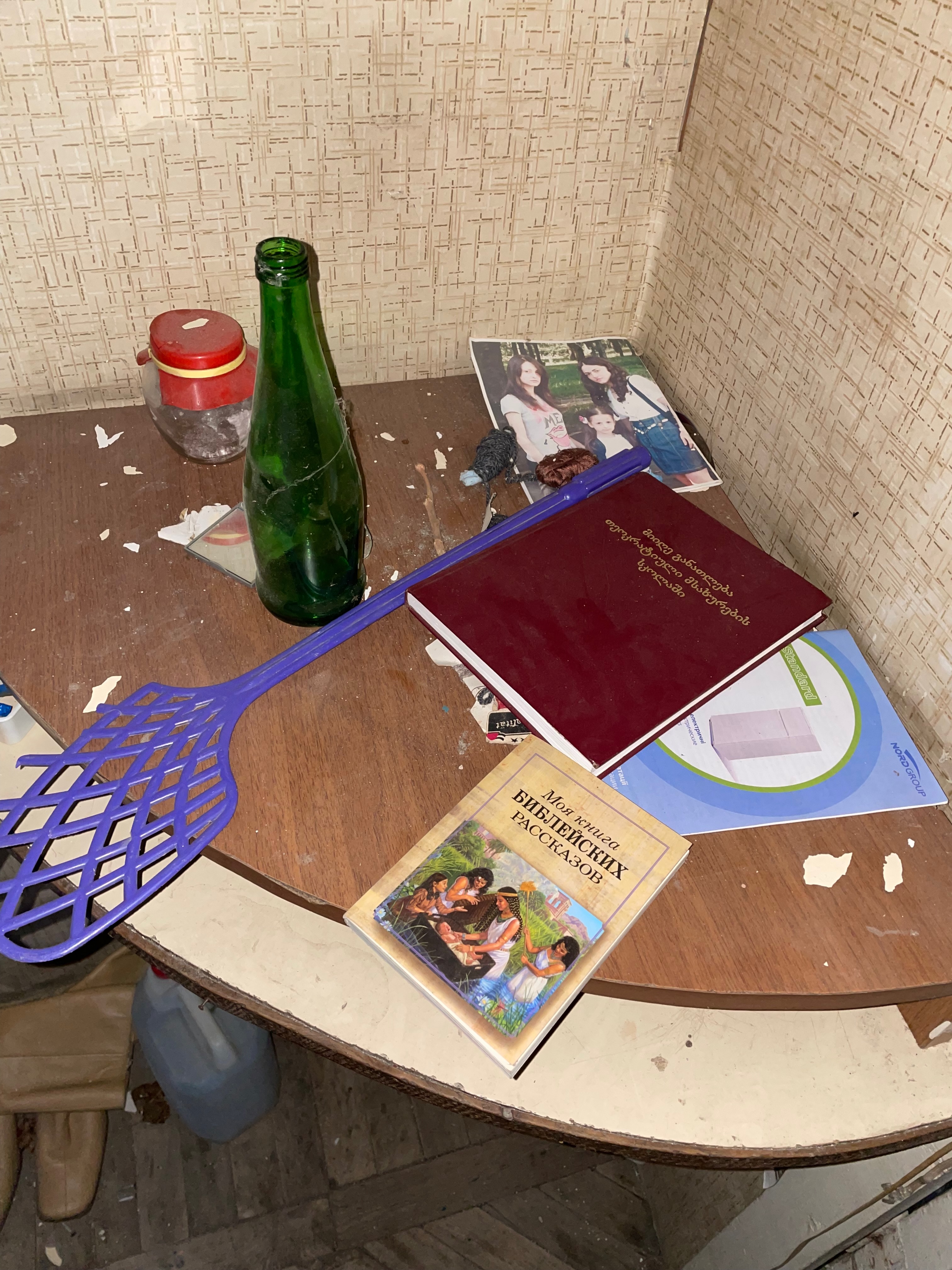
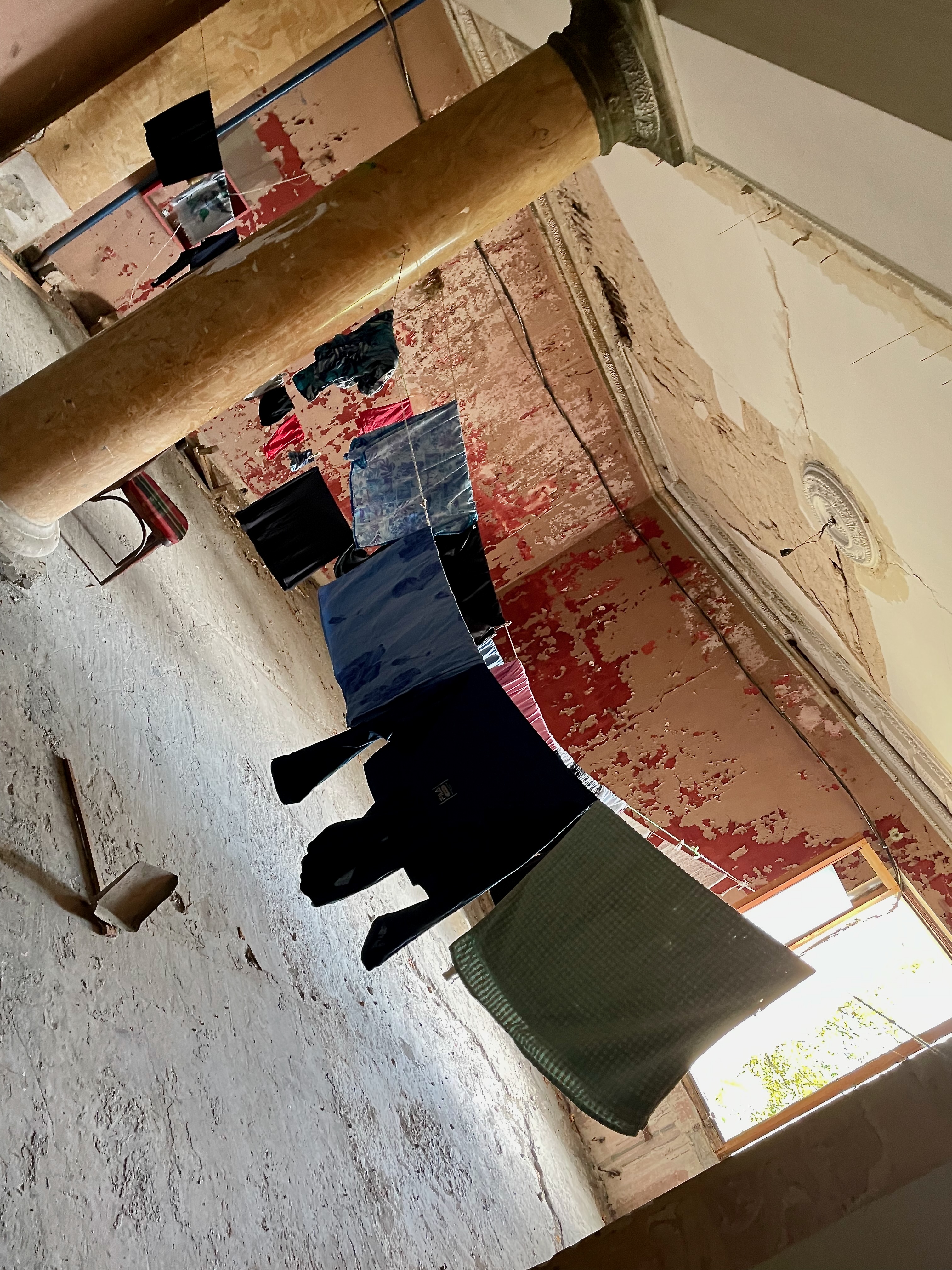
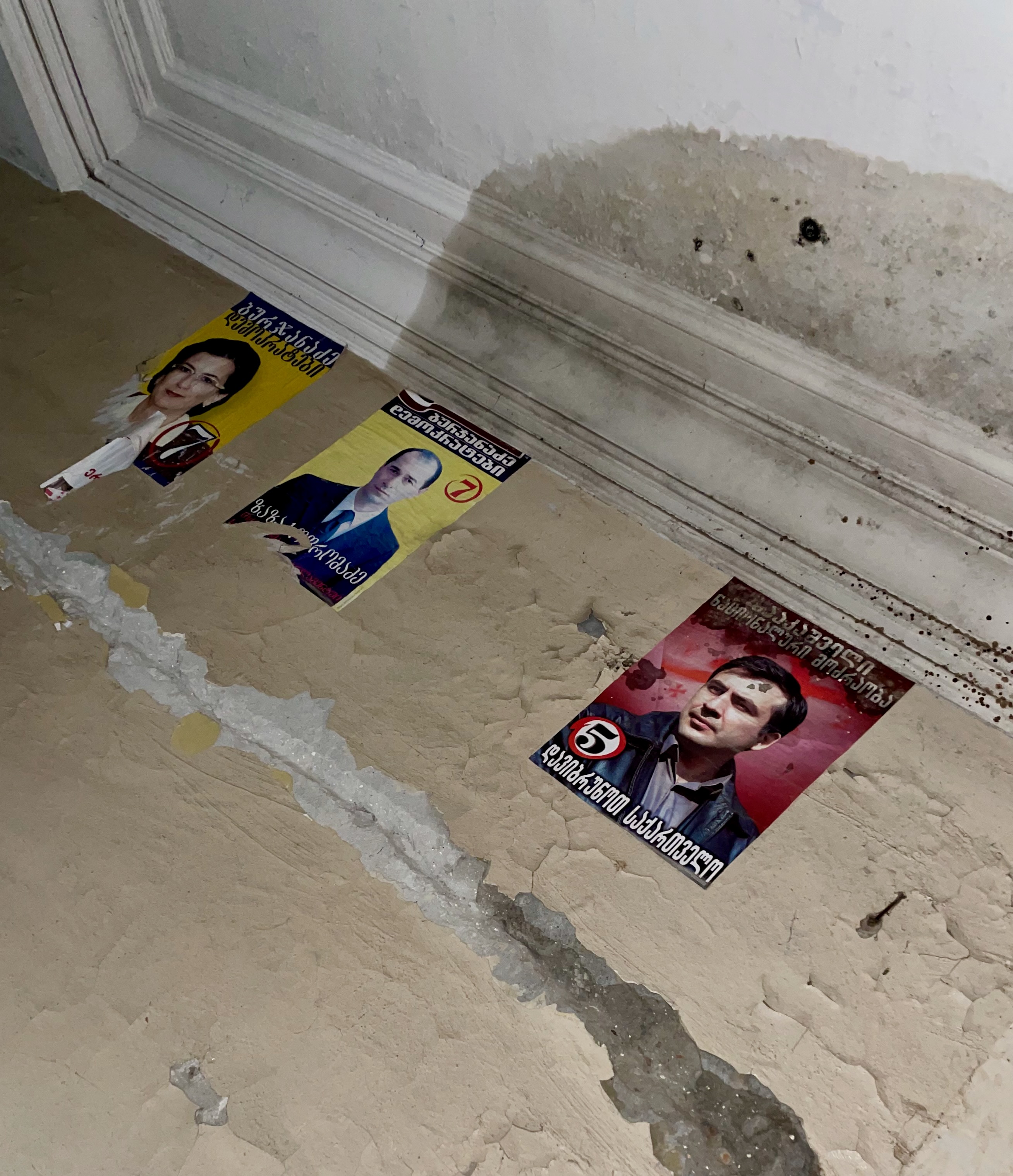
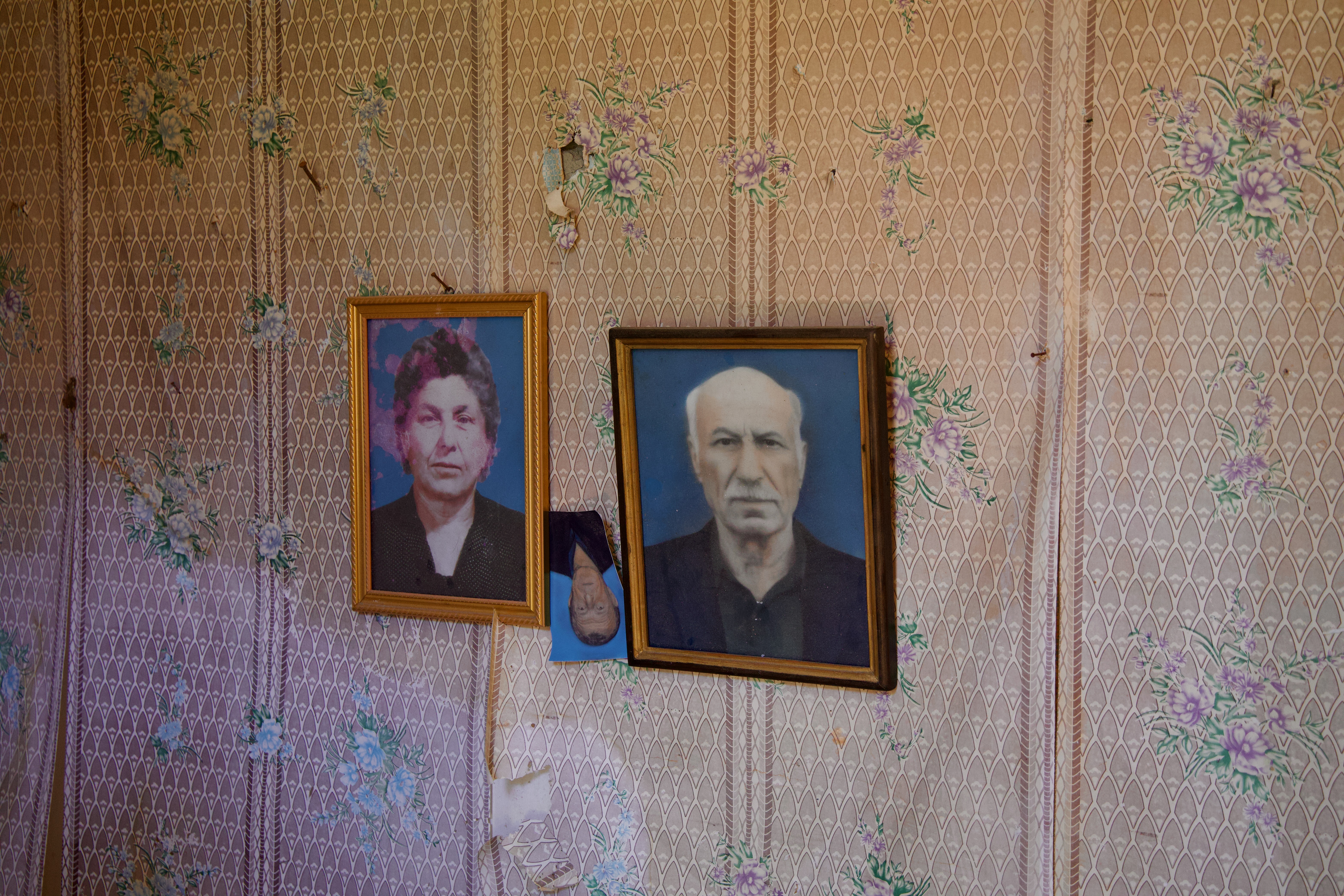
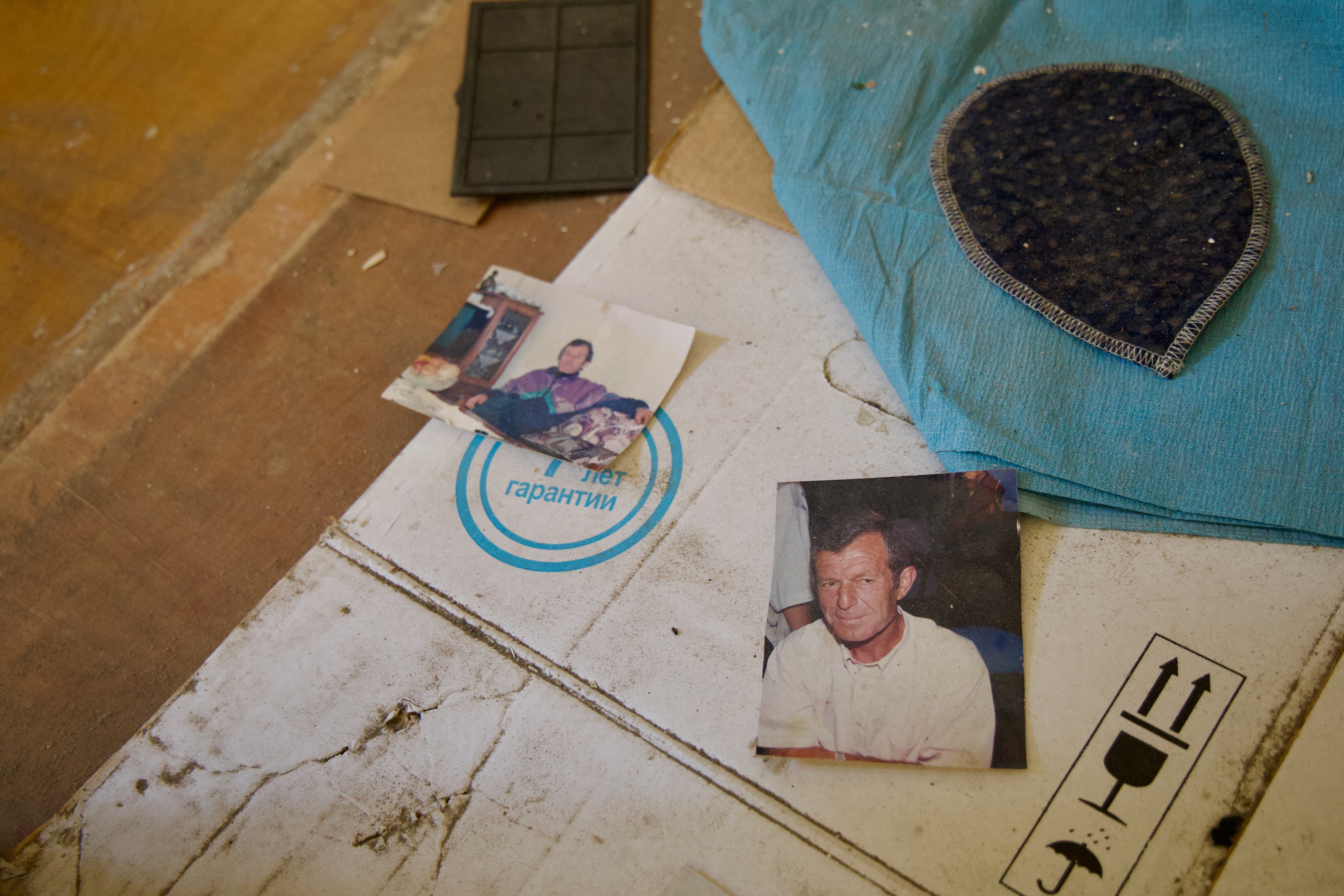
Inside of Tskaltubo’s Sanatoria
I have made a map with some of my favourite spots in Tskaltubo and their locations. There is every chance that soon many of these places will no longer be accessible. But whilst there is a chance I can’t recommend enough to visit. Of all the places I have been across the territory of the former Soviet Union, no place gives a better image of the past than Tskaltubo.
Despite my love of Tskaltubo, Kutaisi has much more than just that to offer. The town itself was where Soviet poet and artist Vladimir Mayakovsky grew up. My bedroom is covered in a range of his posters, so finding his school entirely by chance on one of my random meandering walks was particularly exciting. Mayakovsky wrote of Georgia, “I know, it’s nonsense, Eden and Paradise, but since people sang of them; It must have been Georgia, the joyful land, that these poets were having in mind”.
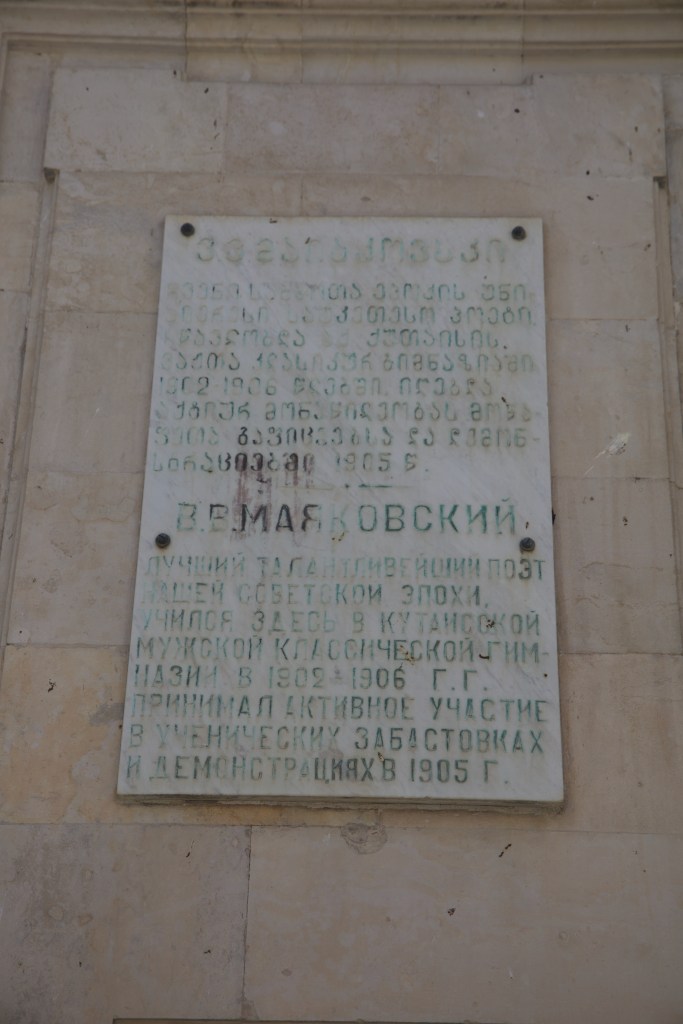
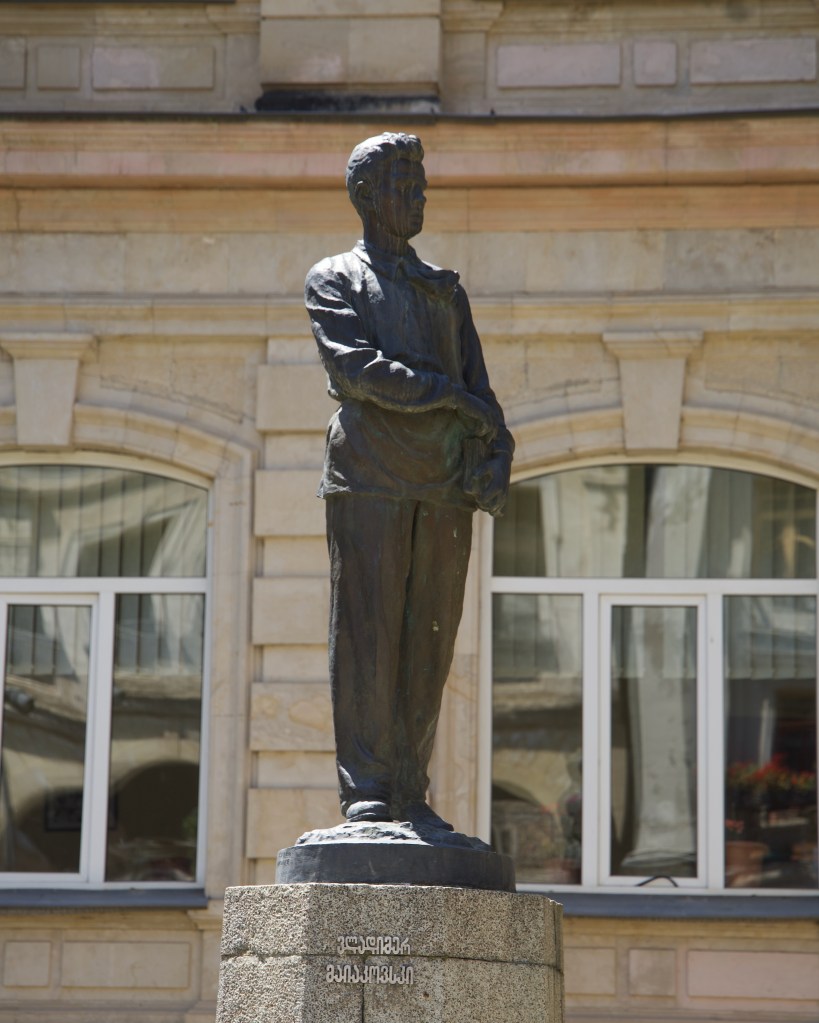
Vladimir Mayakovsky plaque and monument
There is very little to argue with Mayakovsky’s words. Georgia is beautiful. Soon I will write of Qazbegi in the heart of the Caucasus Mountains, which epitomises this. However, Kutaisi, in its own way, also does. The 11th-century Bagrati Cathedral stands high above the city with its amalgamation of traditional bazaars and Soviet monuments below. The nearby Motsameta and Gelati monasteries stand atop the deep green valleys which neighbour the city’s north. To me, Kutaisi is what I understand as Georgia. Batumi, as I will write of later, feels like a space-age resort town, whereas Tbilisi’s centre feels very much like a contemporary European capital. But Kutaisi is different; something about it feels authentic. The Soviet brutalism of a regional outpost combined with the traditional Georgian architecture makes for a different experience to elsewhere in Georgia.
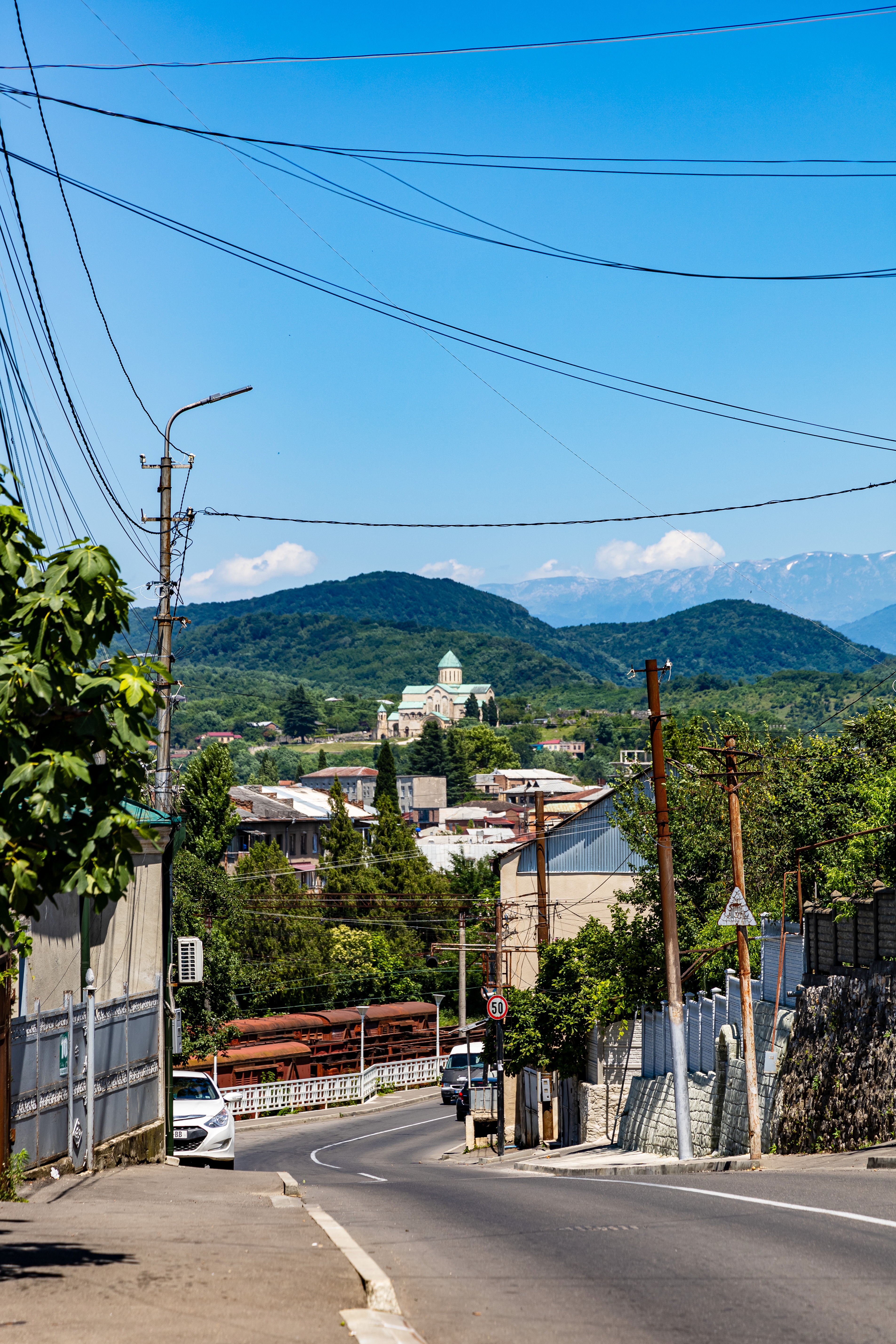
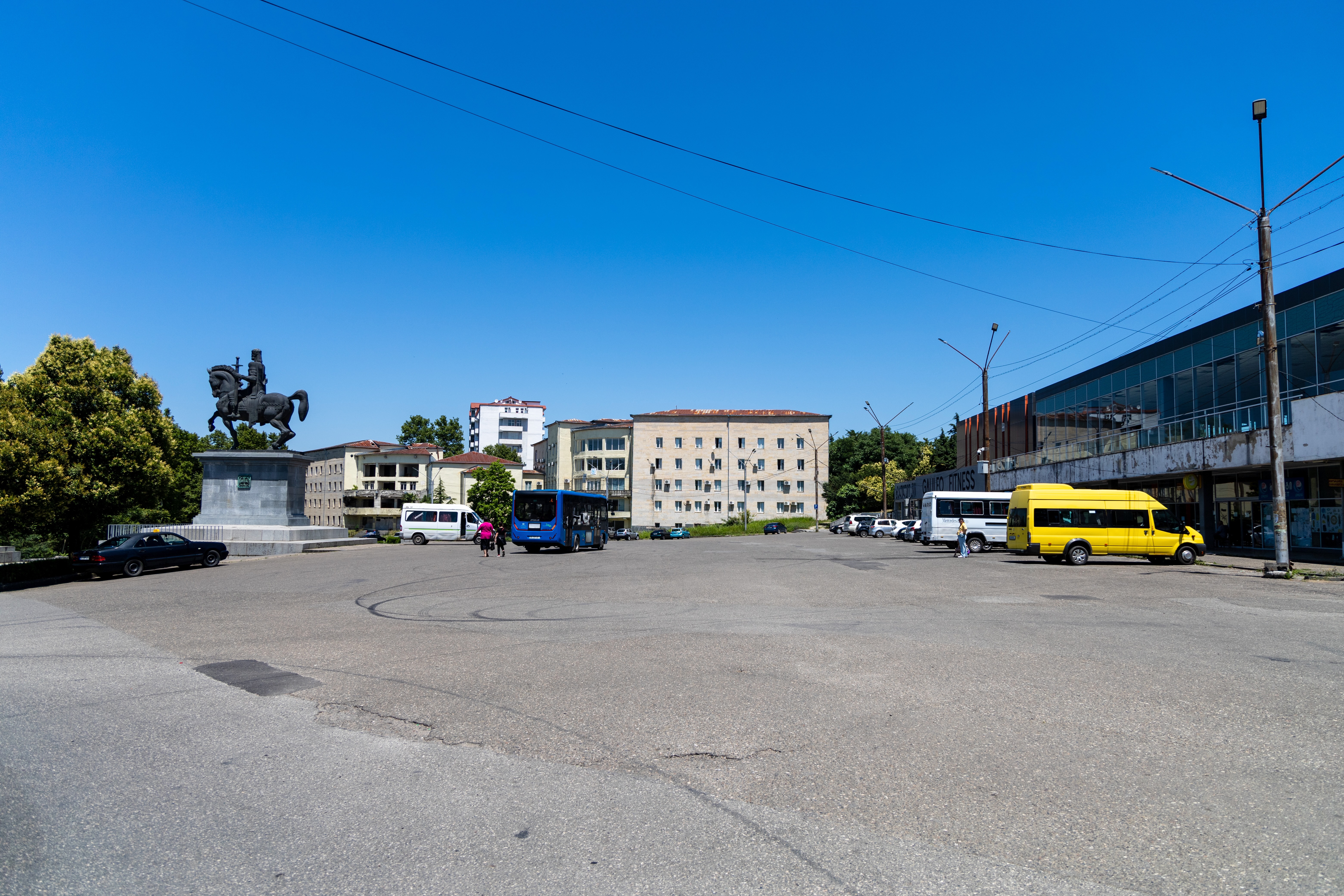
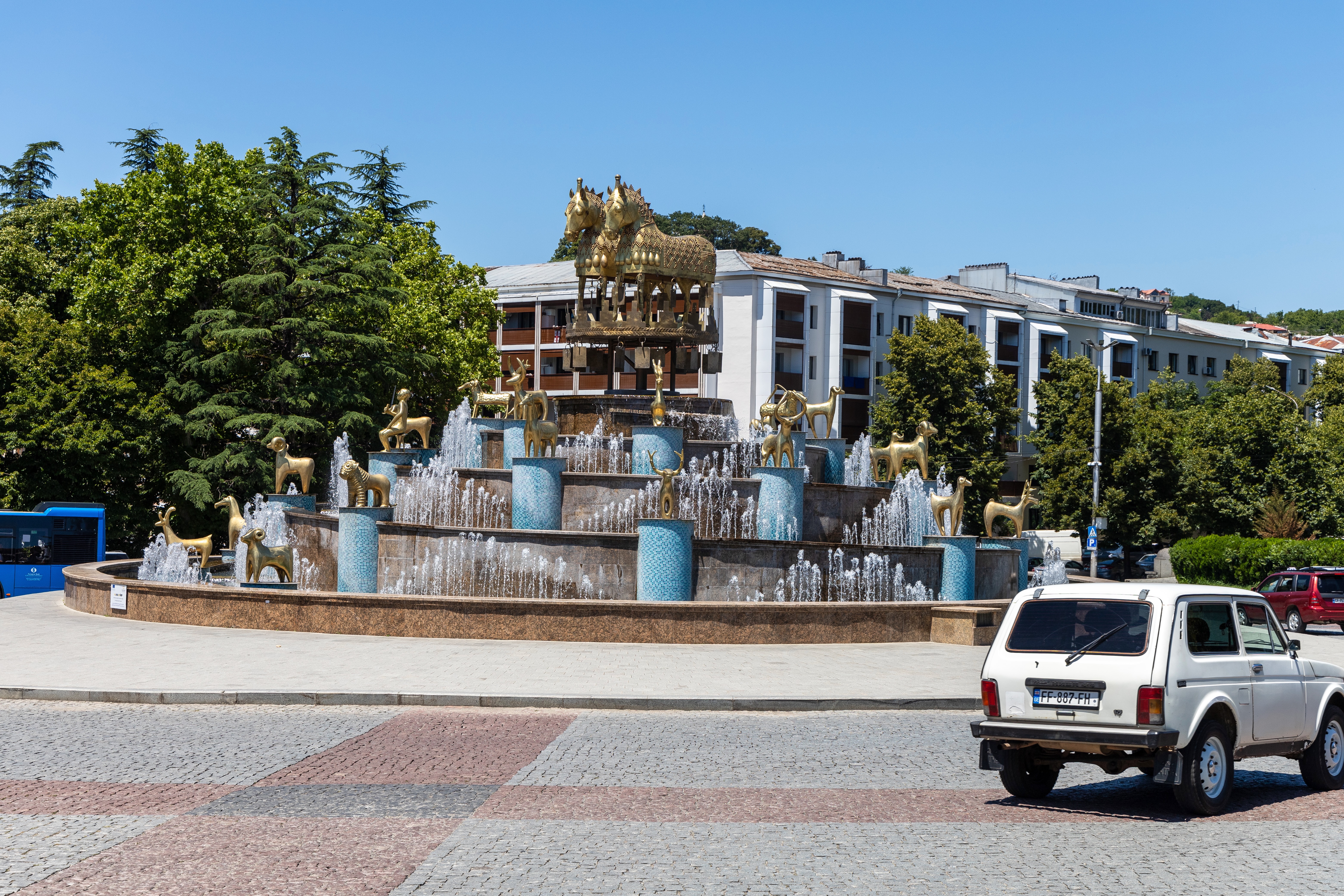
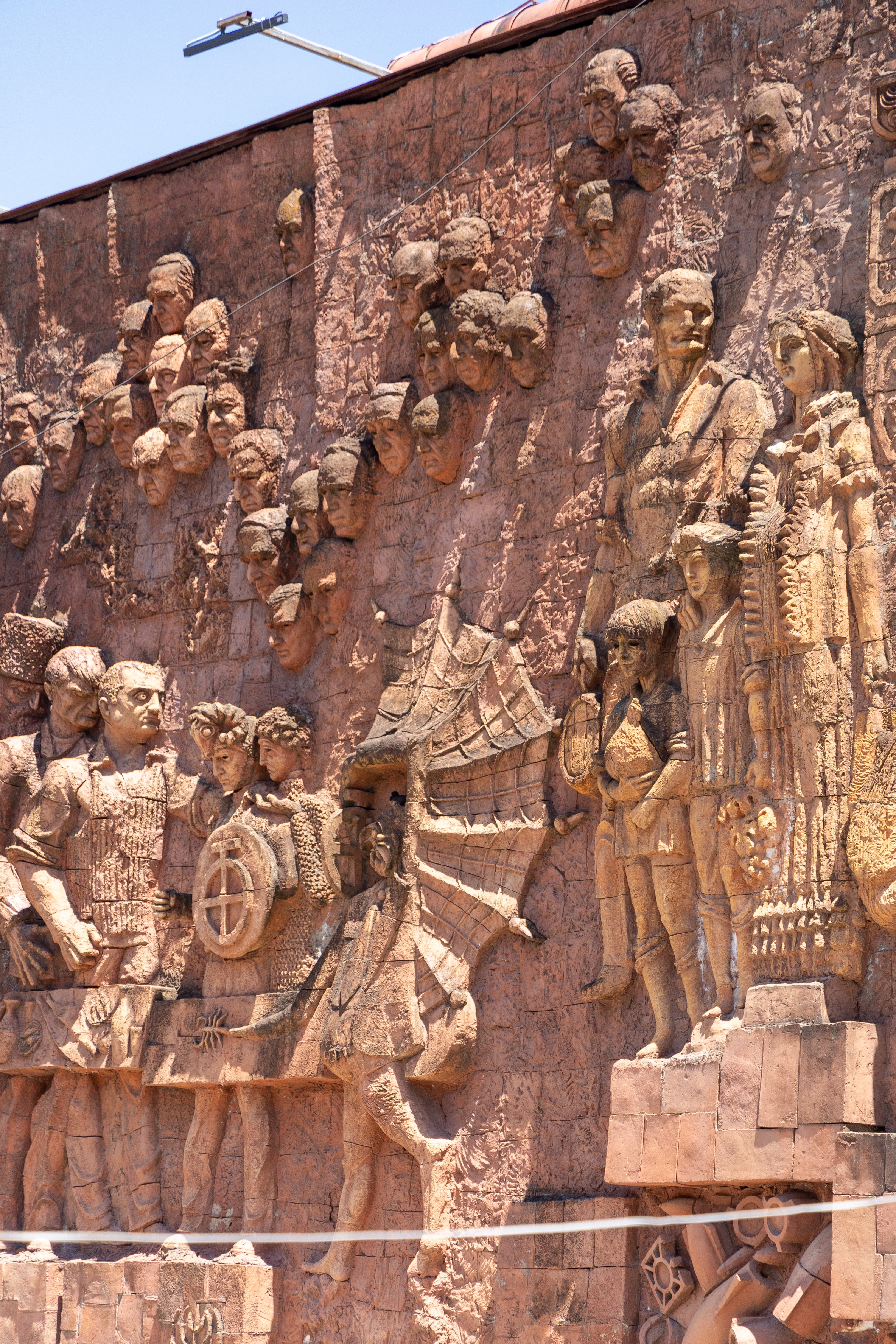
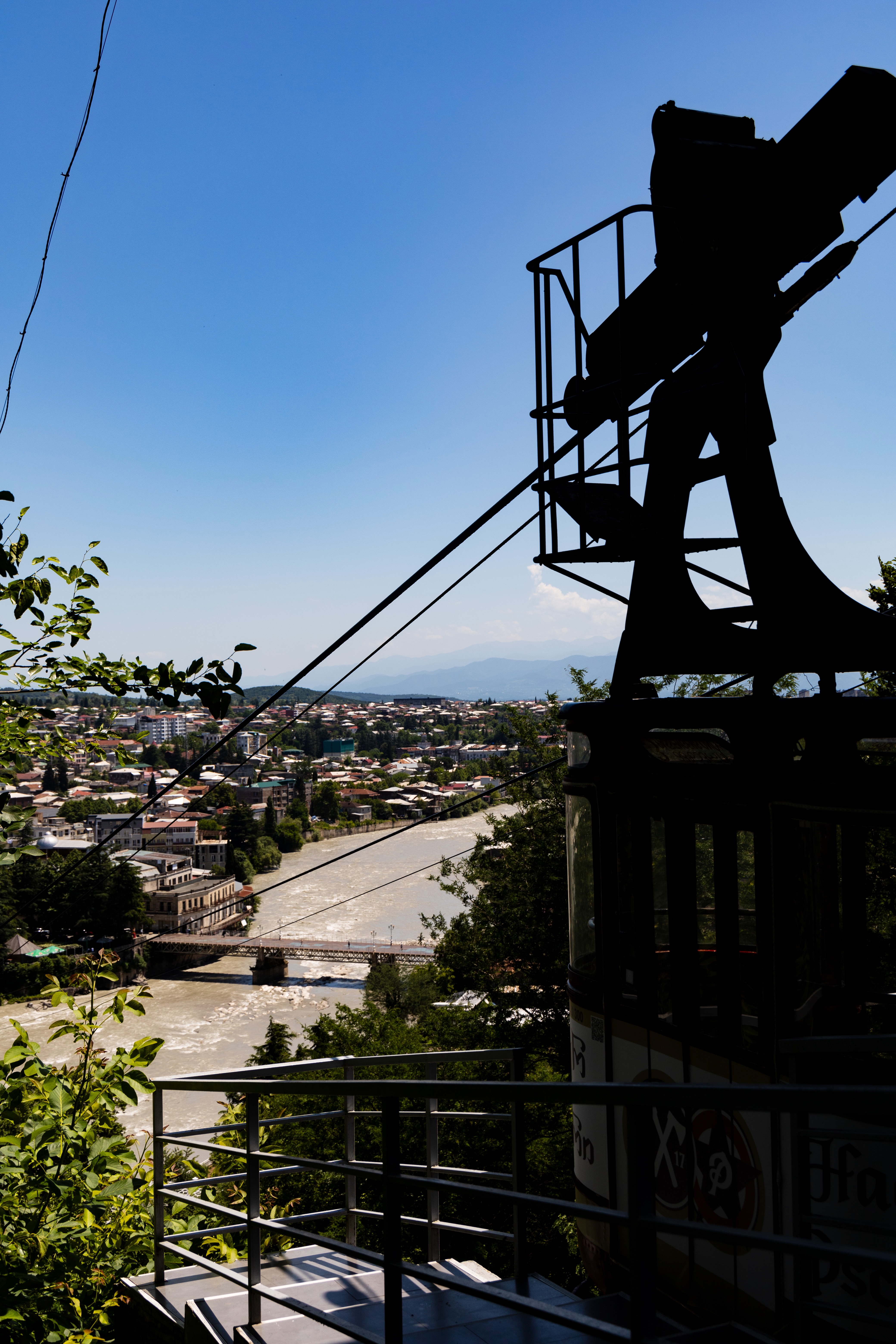
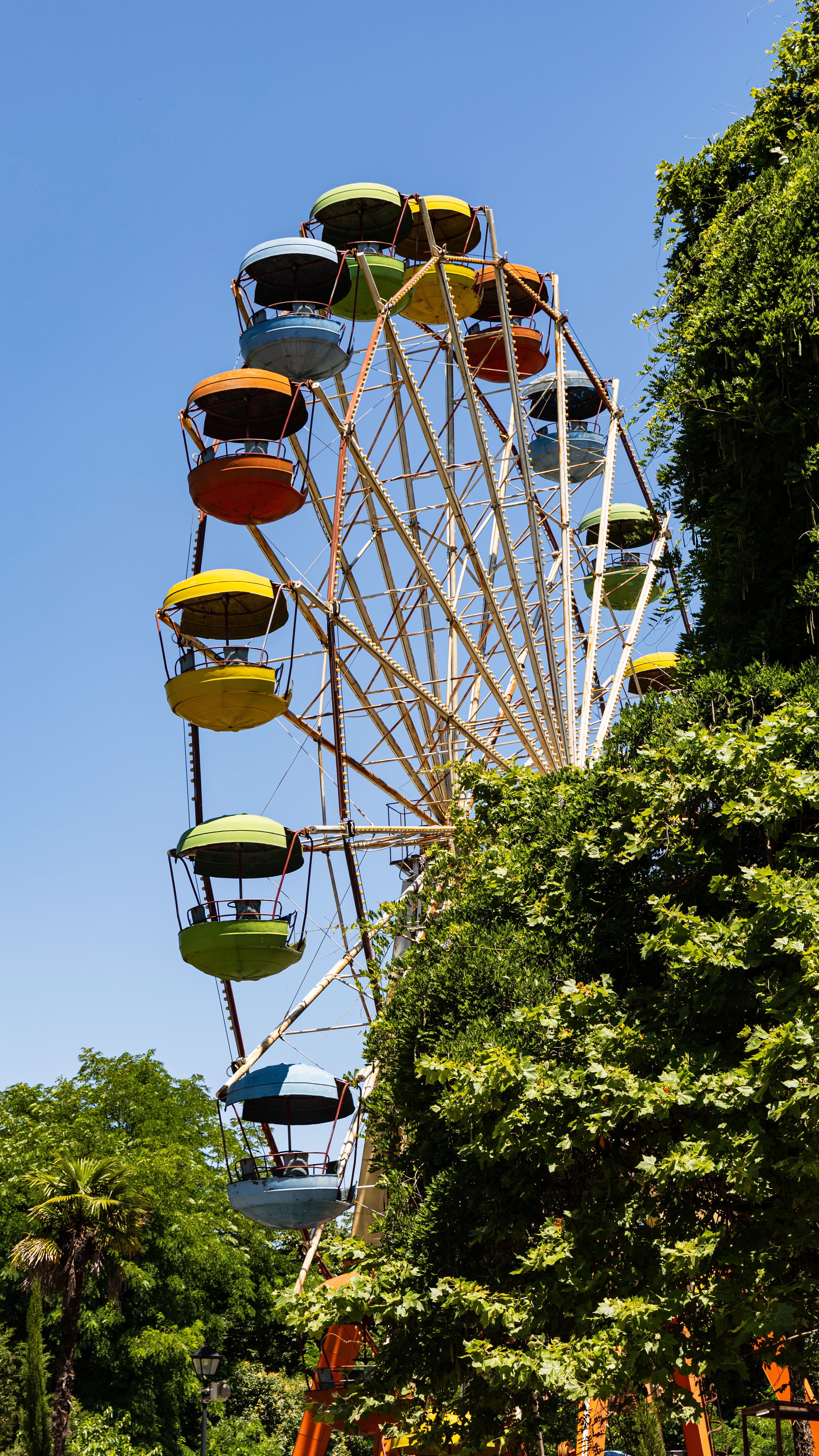
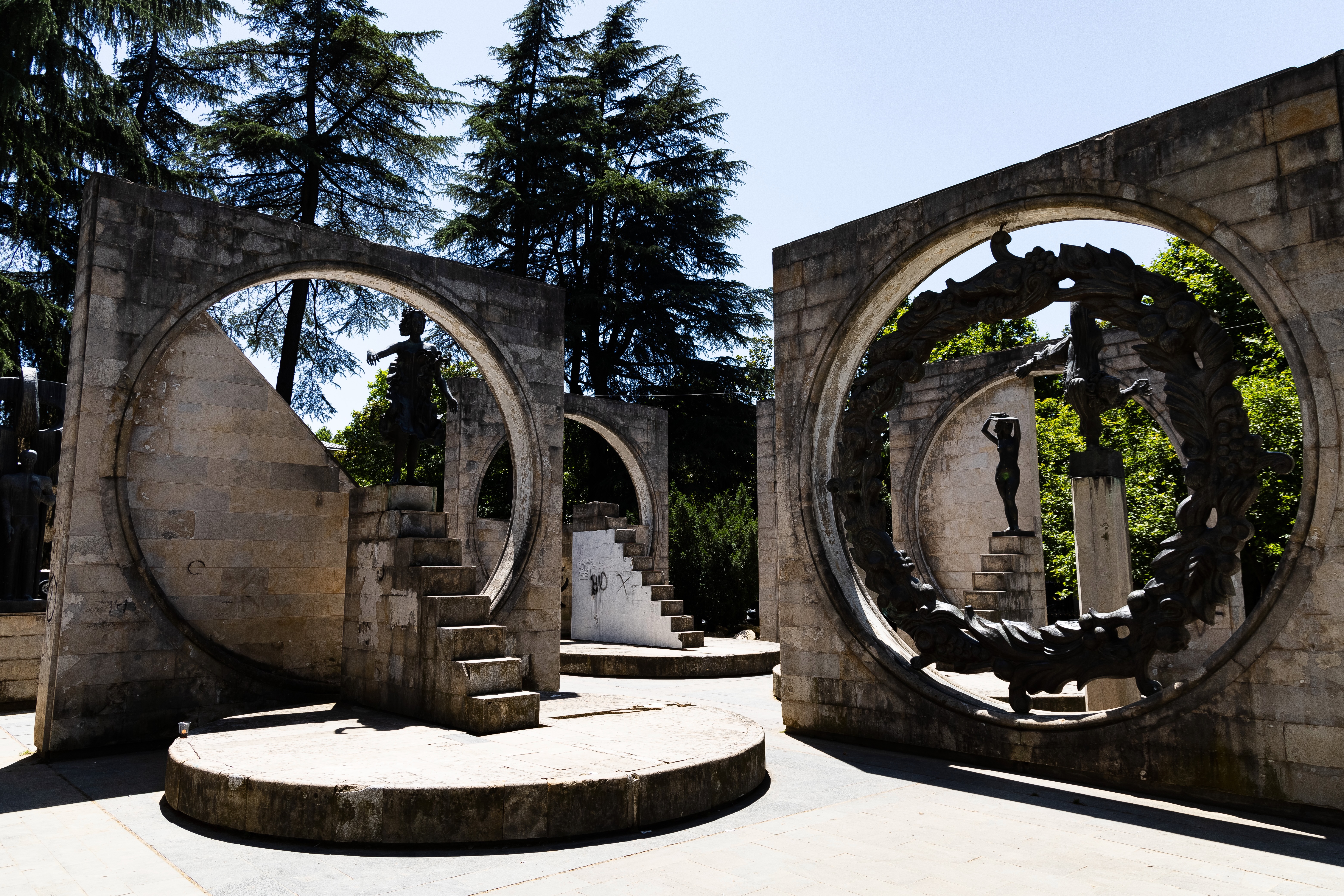
Kutaisi
Accommodation
Dingo Backpackers Hostel
I have now twice stayed at Dingo and I can’t recommend it enough. The hostel is social, comfortable and offers all sorts of trips around the local area. Owner Riccardo is great and one of the main reasons I wanted to return this year. Dingo still is the only hostel I have volunteered at (not for long but still), which I think shows just how much I enjoy this place.
Website Link: https://www.dingobackpackershostel.com/
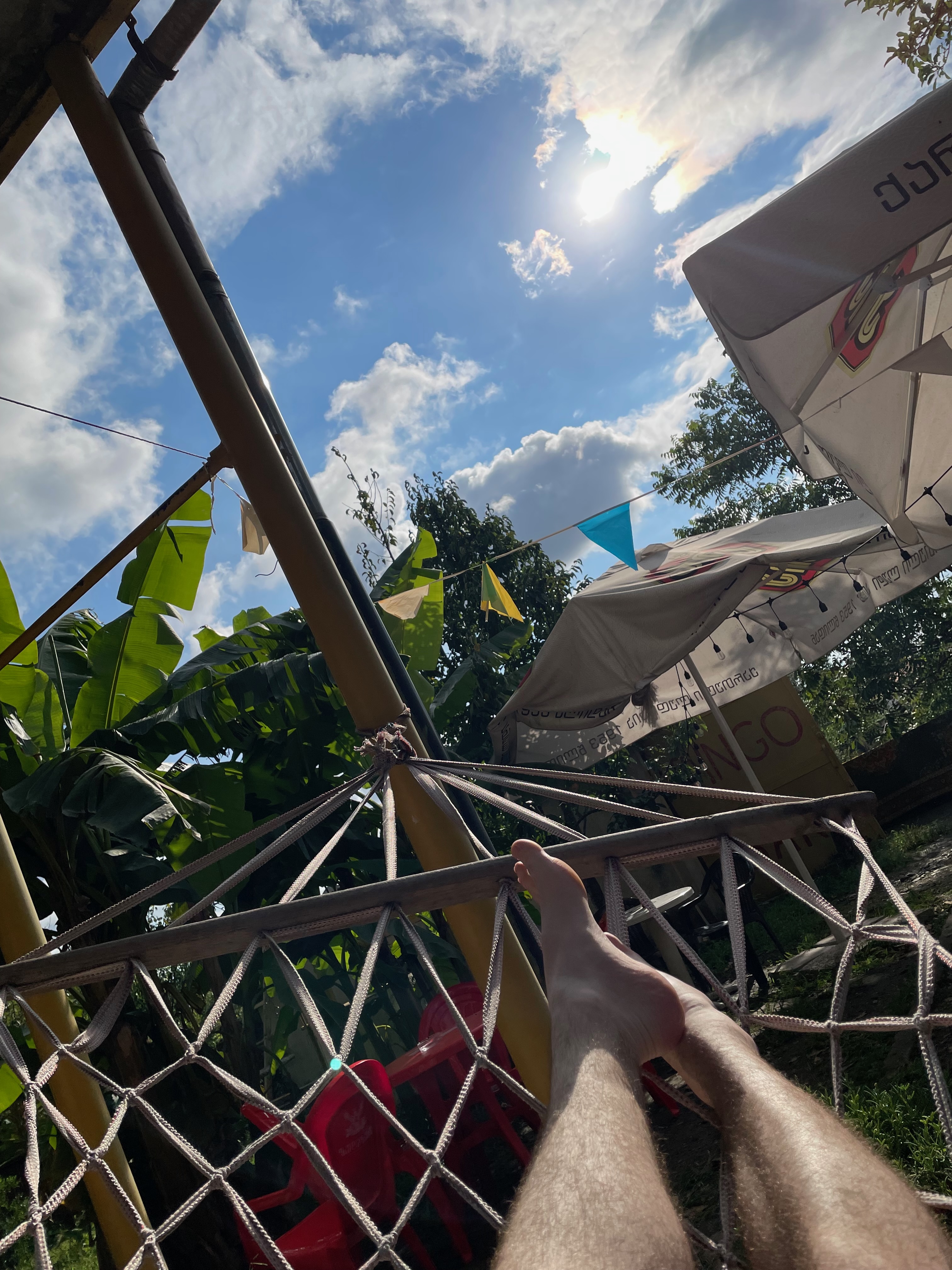
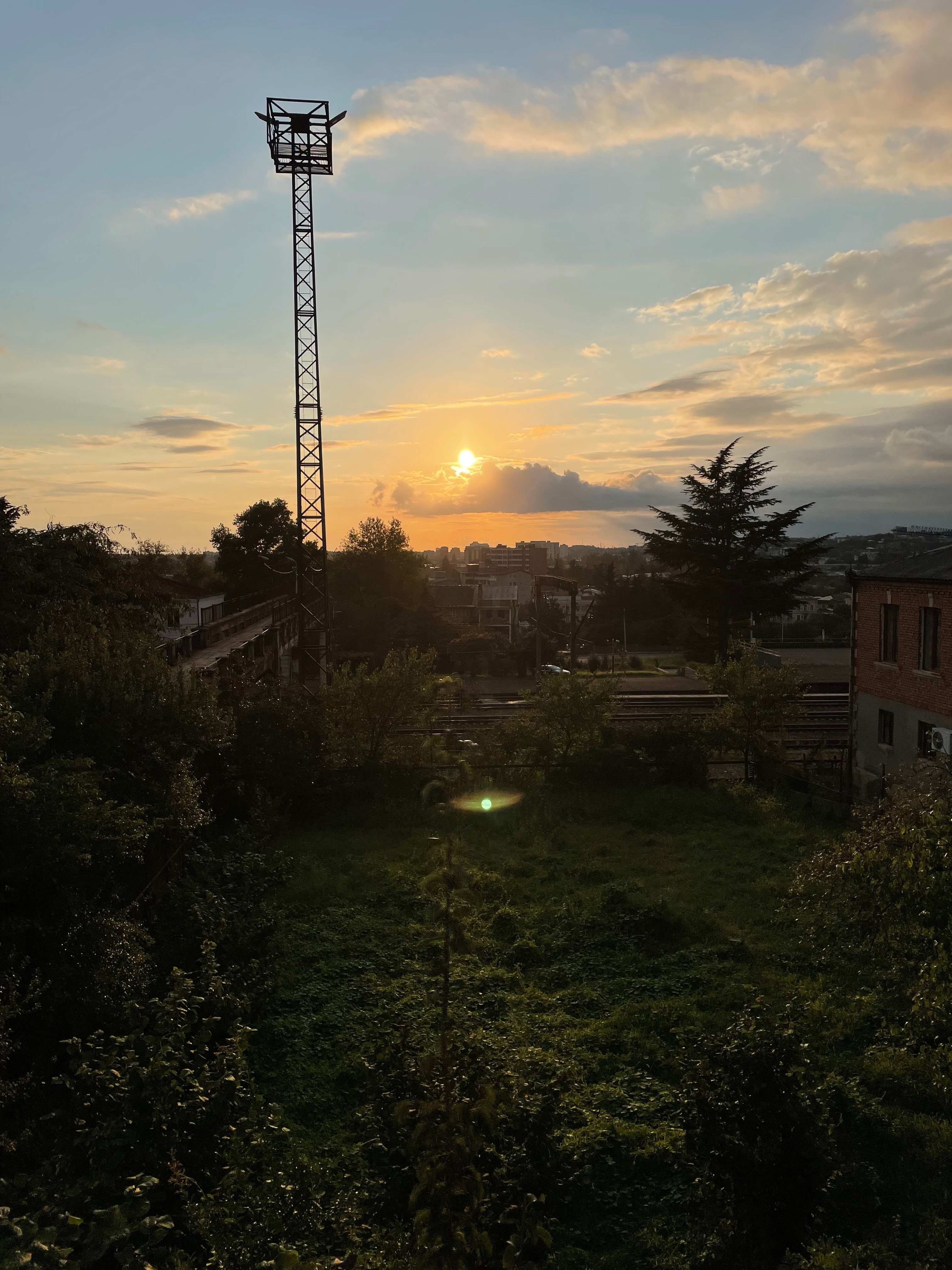
Dingo Garden
Things to do
Tskaltubo
Don’t really need to say why anymore, in my opinion the main reason to visit this part of Georgia.
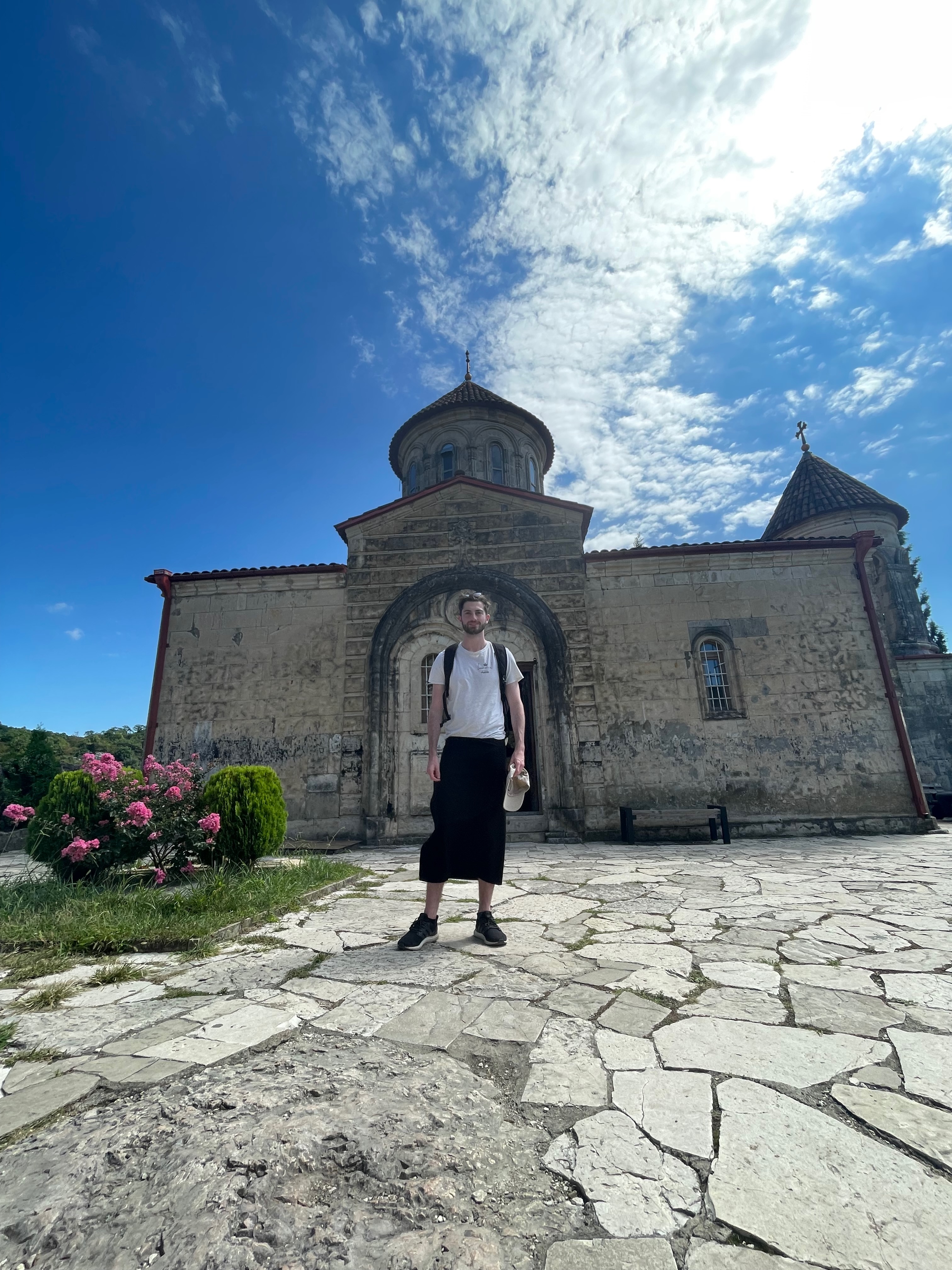
Motsameta and Gelati monasteries
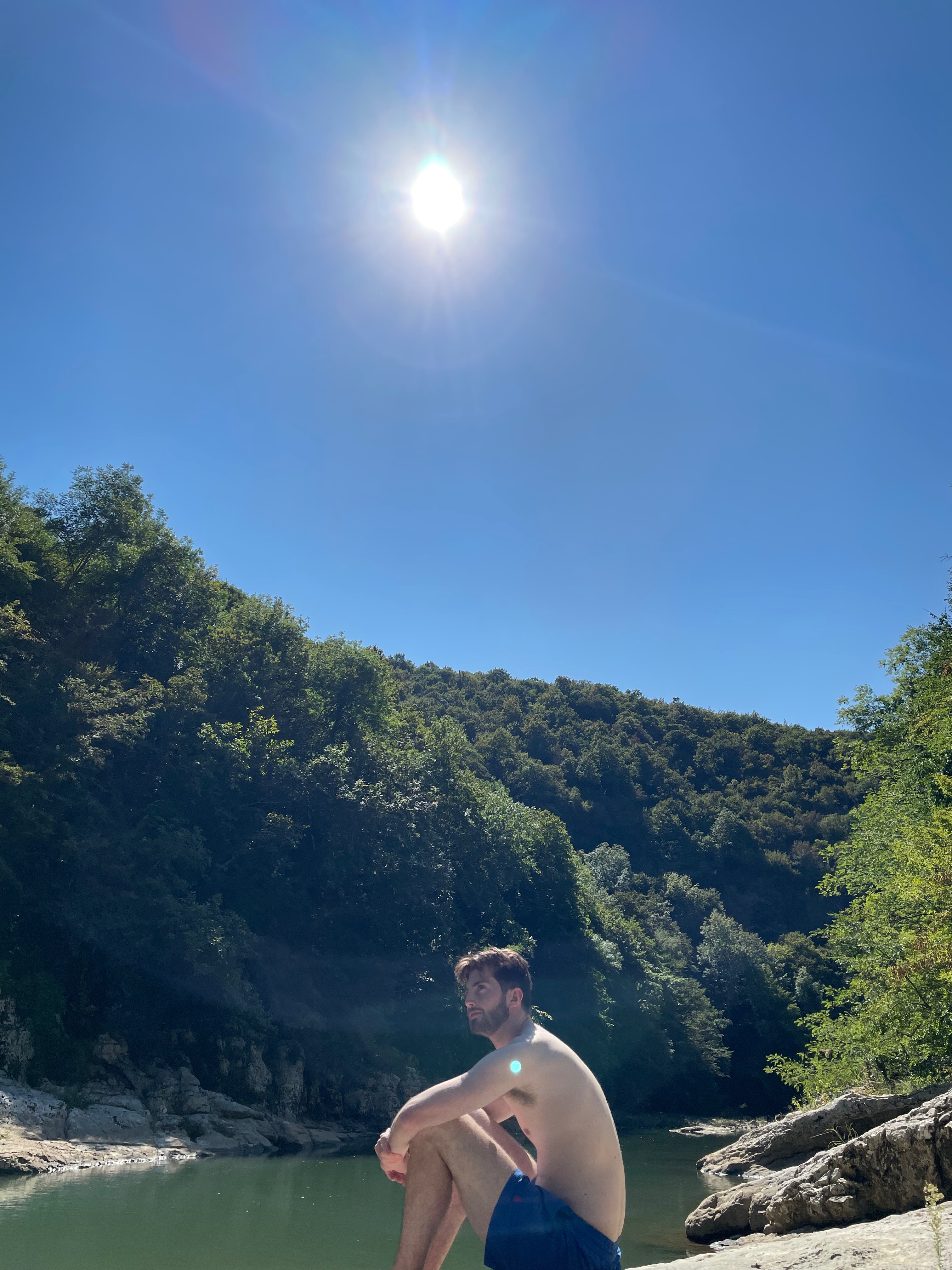
Fascinating monasteries outside of the city centre. Both are situated at the top of beautiful green valleys. Also, possible to go for a swim in the river below.
Hot Natural Springs
This area of Georgia is characterised by a number of natural sulphur springs. Dingo run a number of trips to these which I recommend highly.
The Random Wanderer


Leave a Reply