
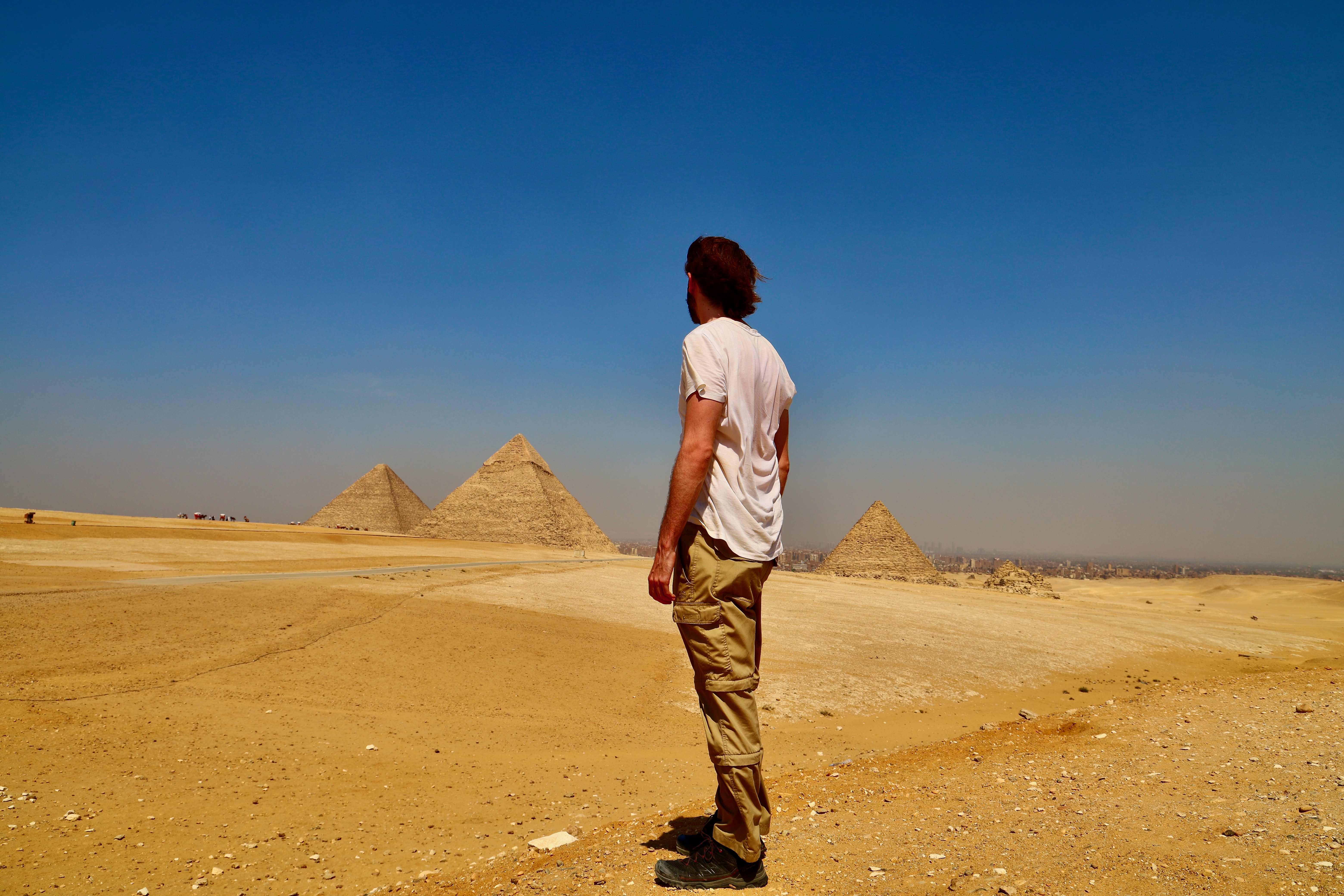
Now, this is probably going to be a blog of two parts. In my blogs, I think I have usually been overwhelmingly positive about all the places I have visited recently. Of course, each place will have had a few faults, but generally, I’ve very much enjoyed all of the places I have visited, I enjoy experiencing and embracing the different cultures and norms. However, in Cairo, unfortunately, I feel I have been close to my limit of what I can enjoy. Cairo is one of the great ancient cities of the world, and with this comes many great things, things I will speak of in glowing terms, things that somebody should experience once in their life, things and places that will leave you mesmerised. However, at least in my experience, much of my time on the streets of the city has been stressful at best, and unpleasant at worst.
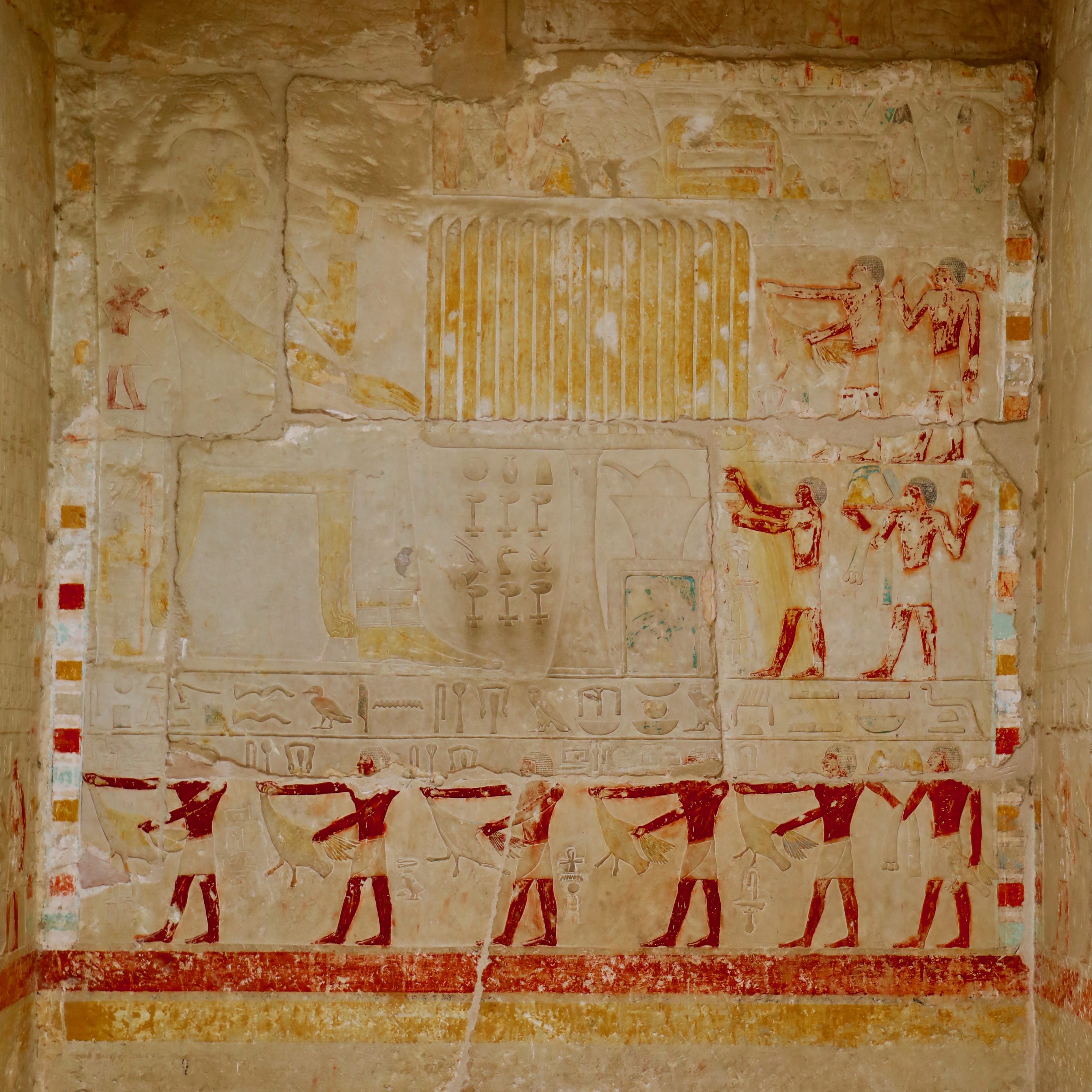
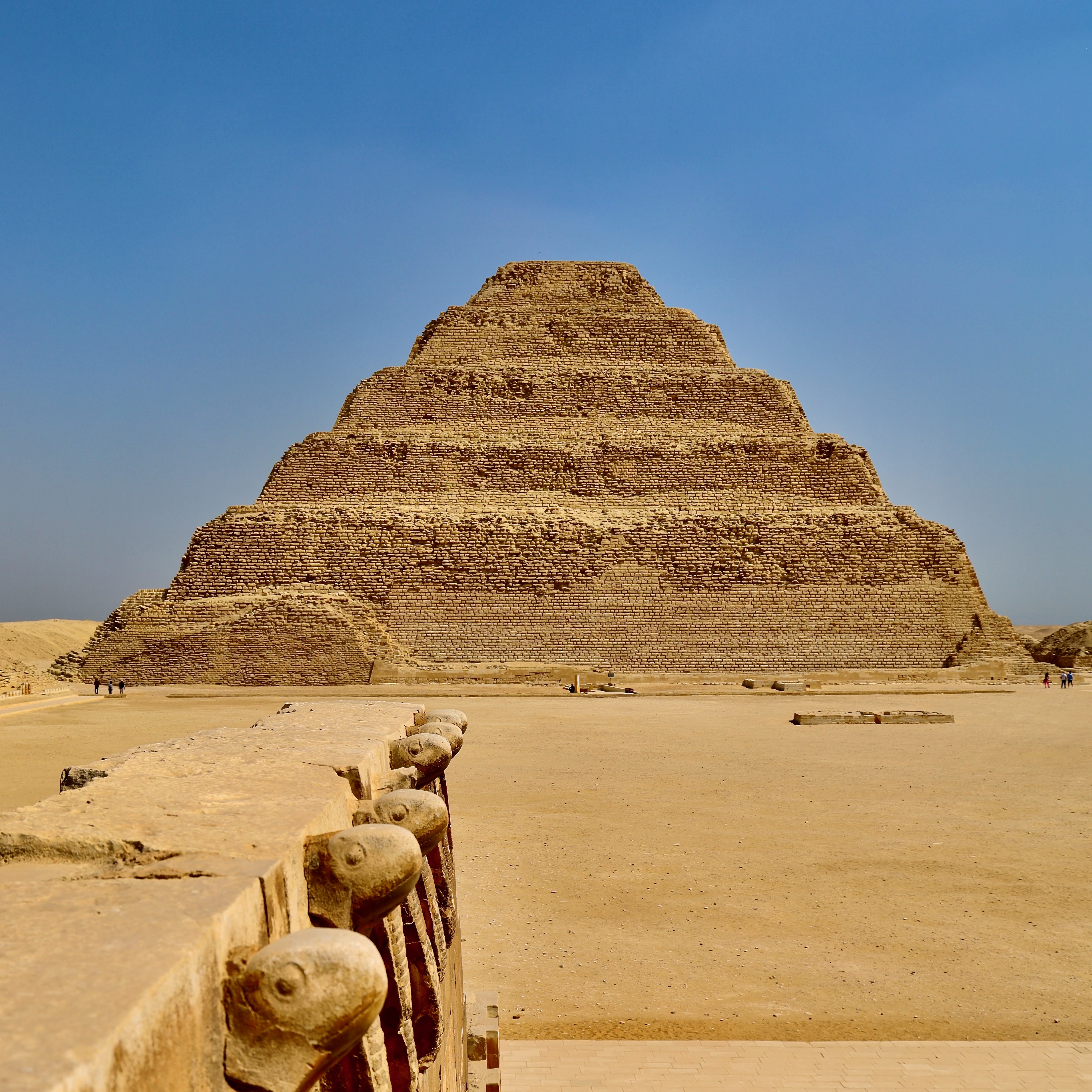
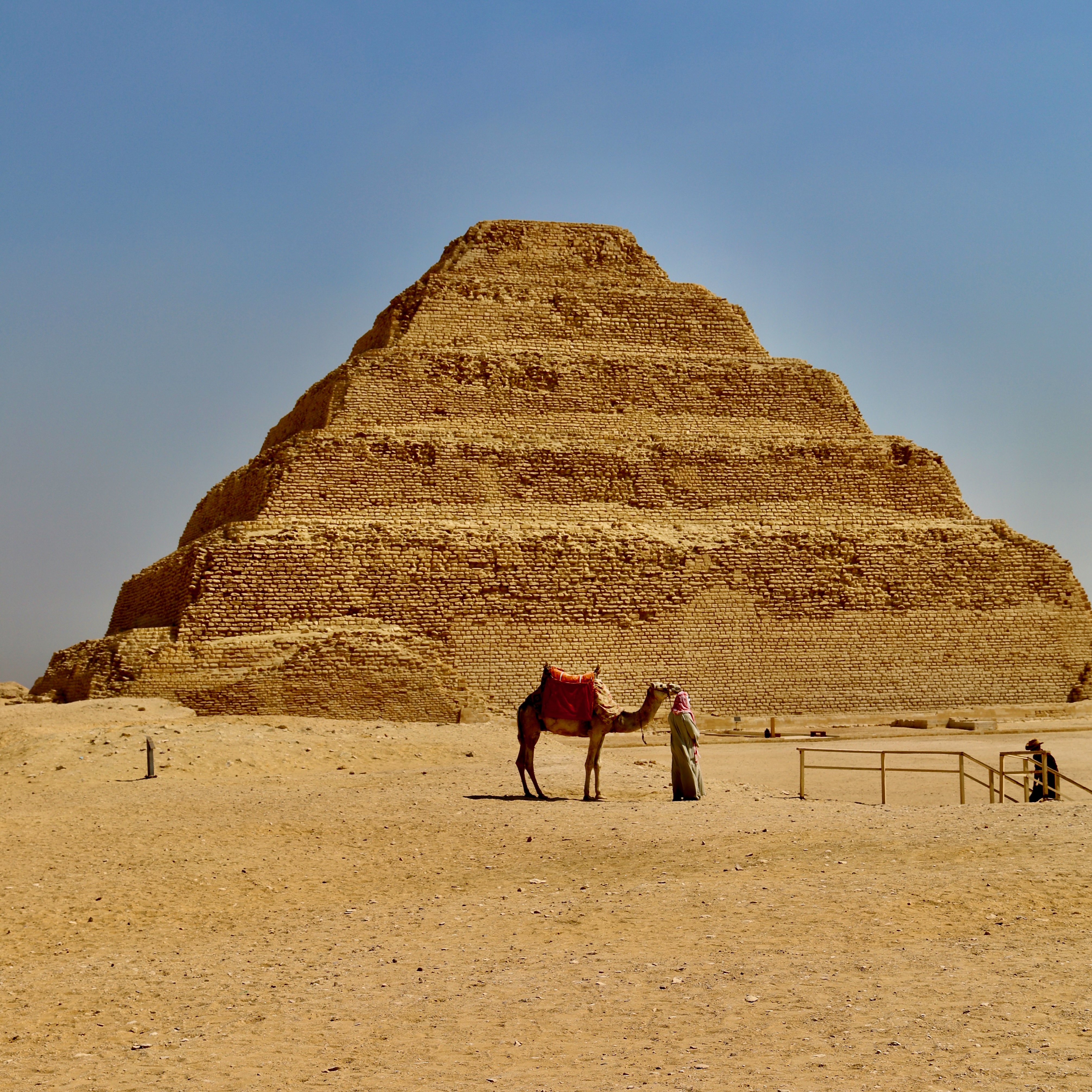
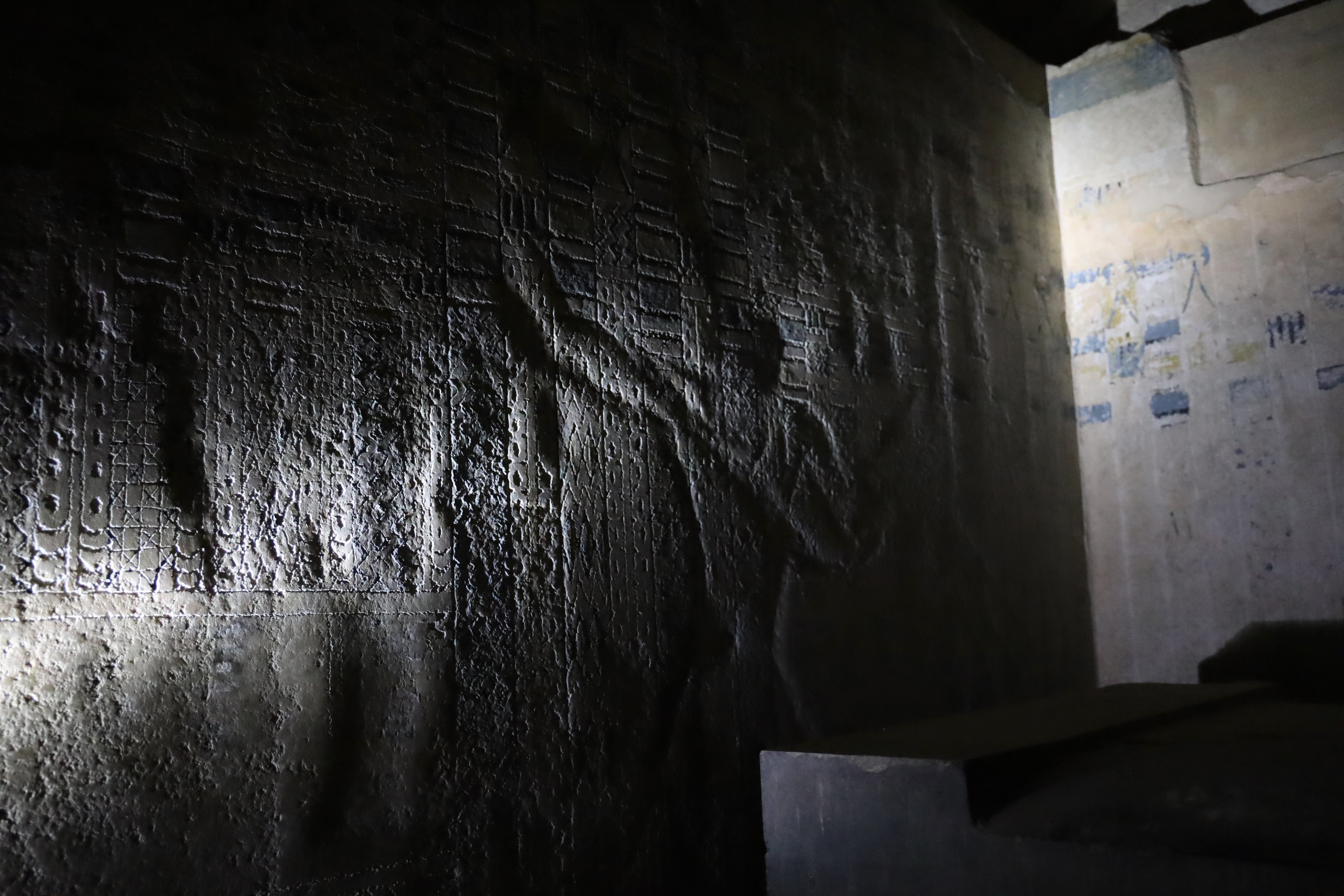
First though, the good. Cairo’s history is one that I don’t think any other city in the world can compete with. It has intact sites which date back almost 5 millennia. The 62.5m Step Pyramid of Djoser at Sakkara was built in about 2670 BC, about 4700 years ago, yet still stands in remarkably good condition just a few kilometres outside of the main part of Cairo city. The whole site of Sakkara is fairly mesmerising, from the step pyramid to the tombs with incredibly well-preserved wall art, to inner pyramid chambers and their defences from robbers, by strange curvature on the wall to appear like spirits under torch light. Architectural sites of this age and level of preservation are simply things I have never seen before.
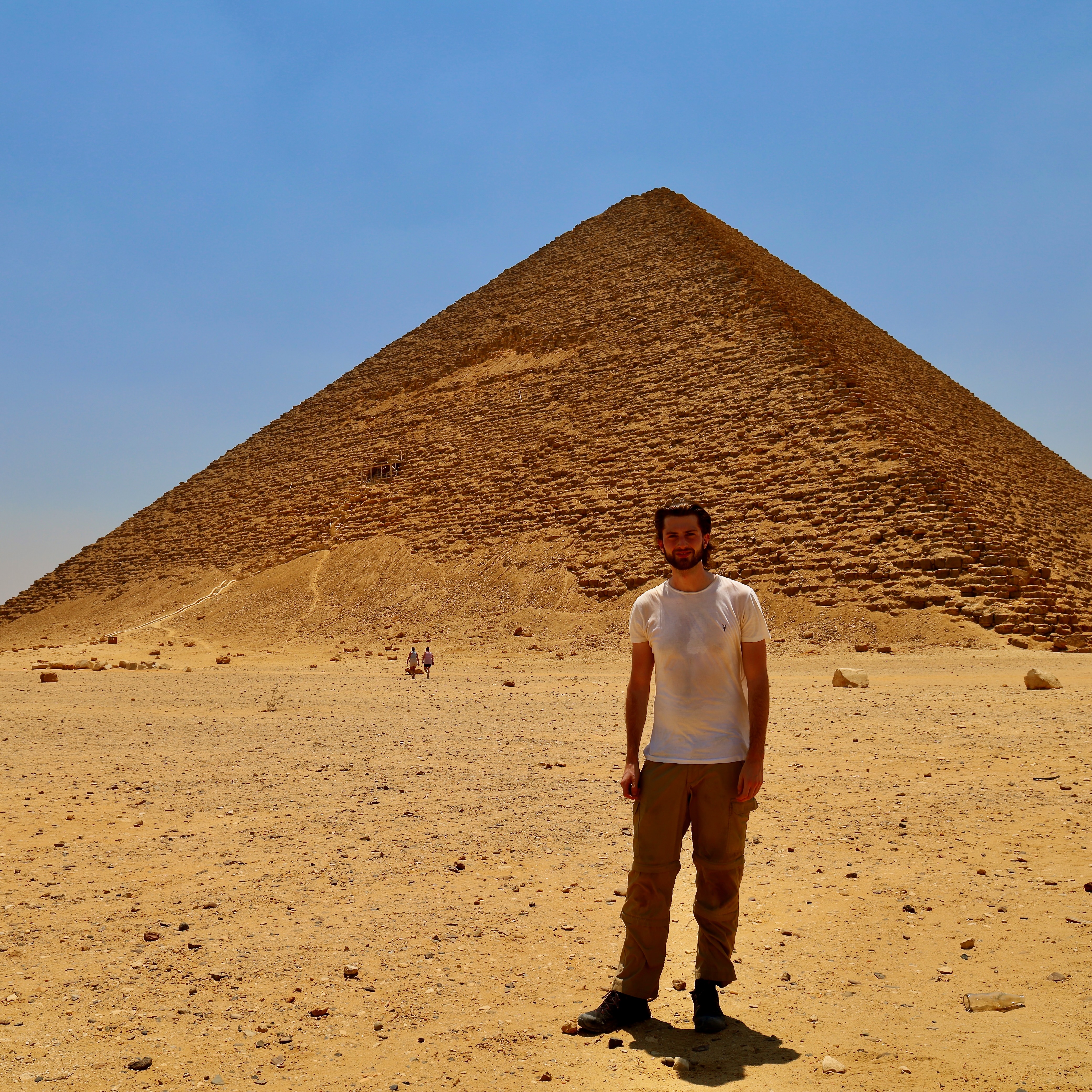
After visiting Sakkara, I travelled with my excellent guide Mohamed to the Dahshur Complex a little further south. This complex is home to Pharoh Sneferu’s Pyramids, the Red Pyramid and the Bent Pyramid. In my opinion, this is the best site I visited on the west bank of the Nile. Both Pyramids are large and imposing, and the way that the Red Pyramid when viewed from the Bent Pyramid just appears to rise out from the desert is picturesque. In comparison with Sakkara, and even more so with Giza, Dahshur, given its location slightly further from the centre of Cairo was less crowded and felt far less touristy, something I will always see as a good thing.
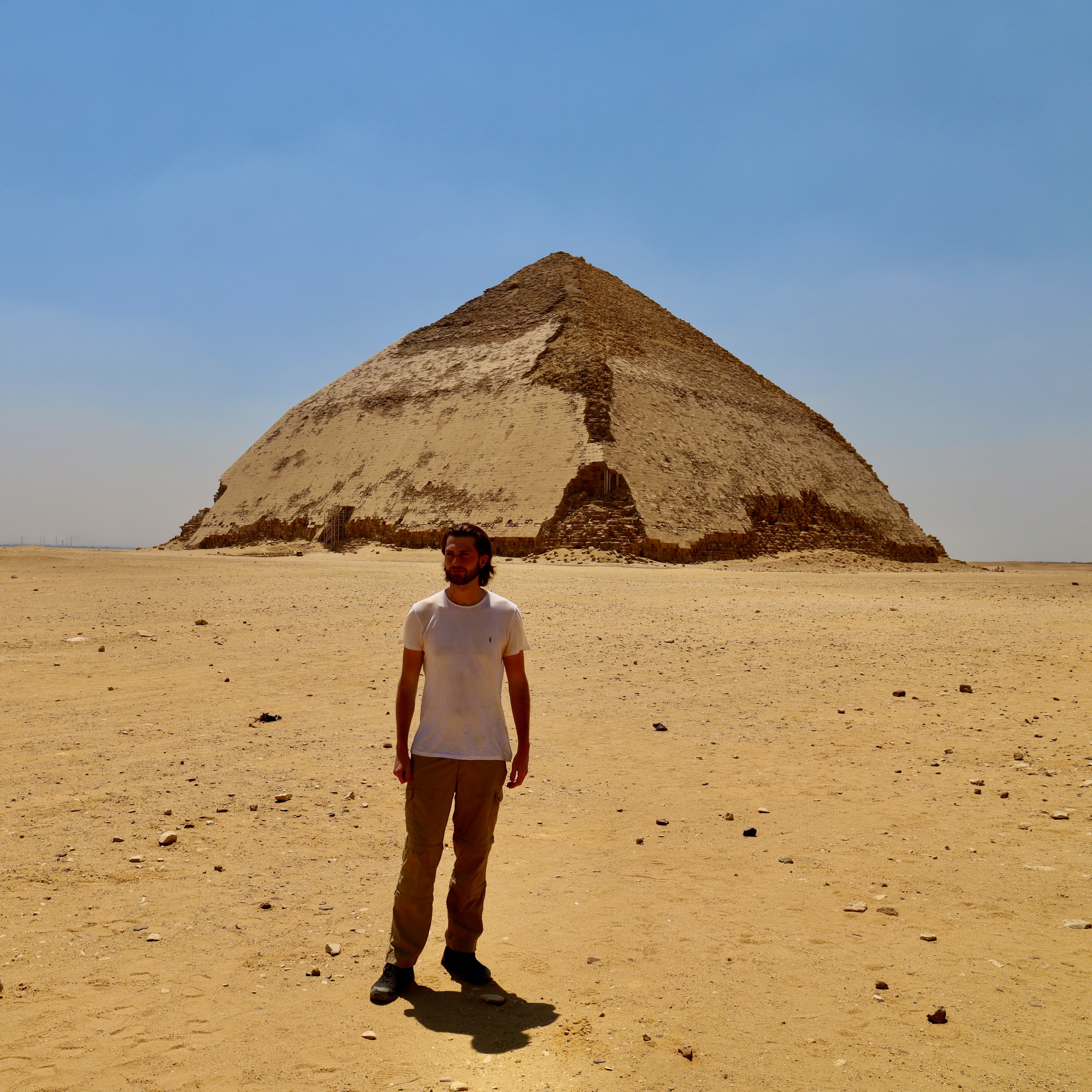
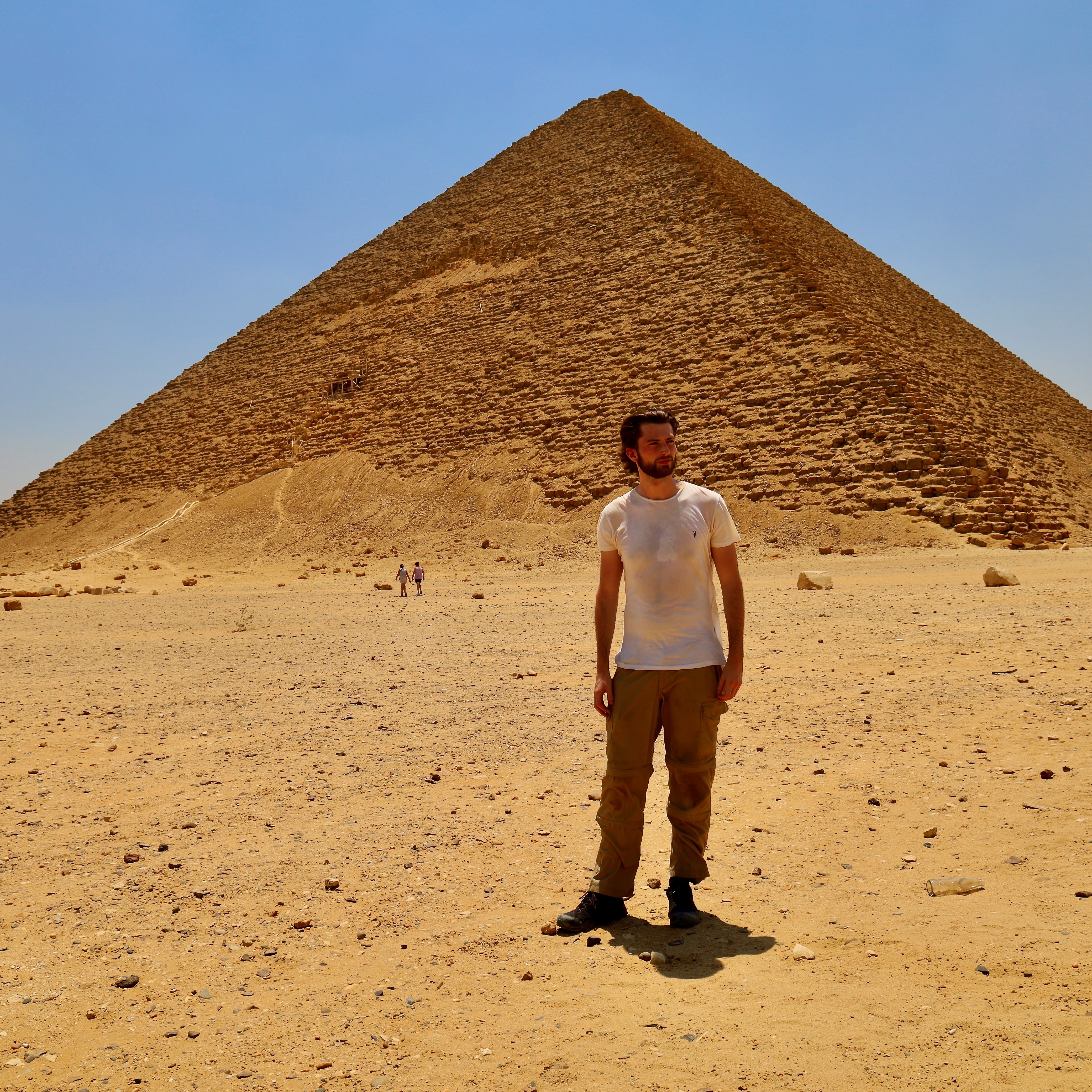
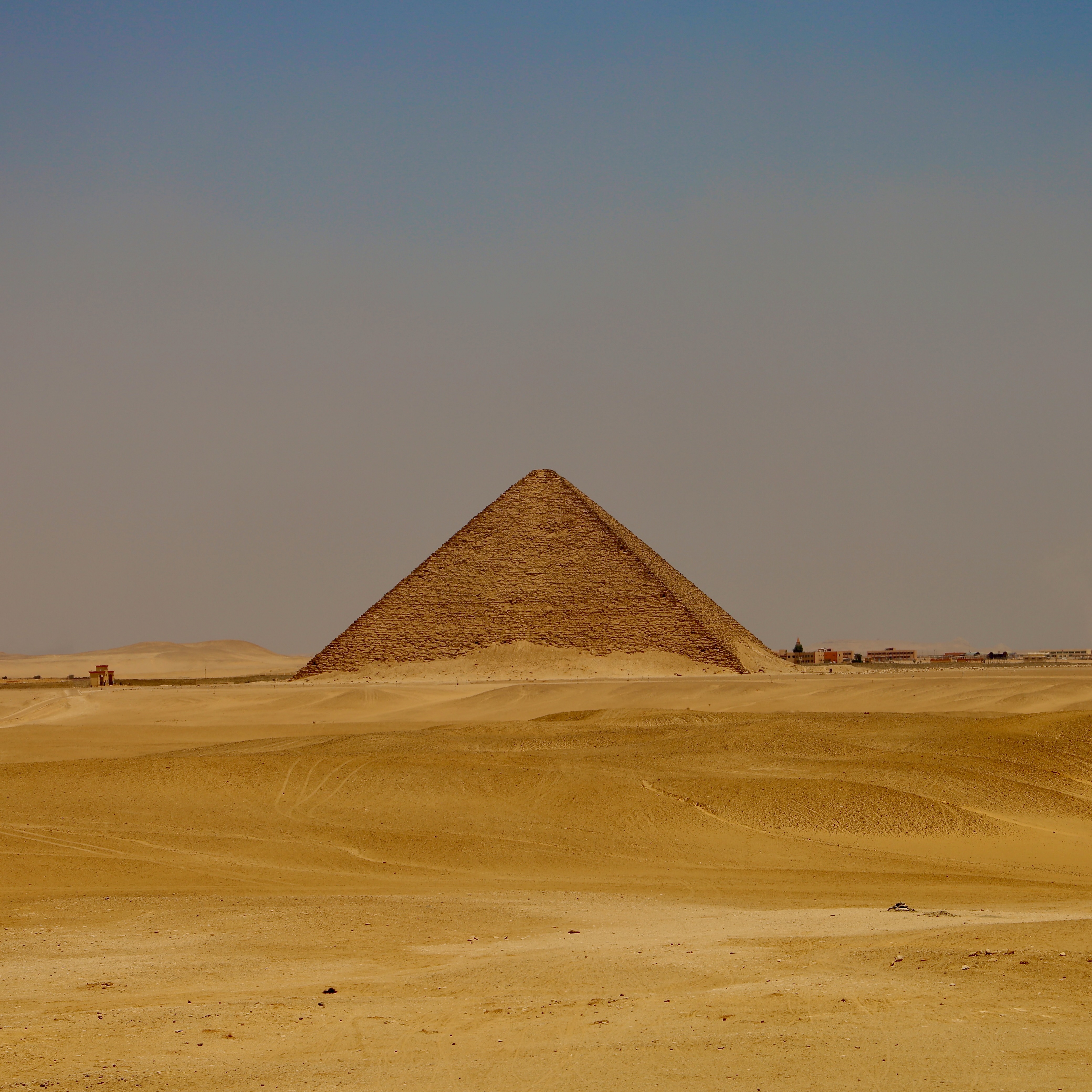
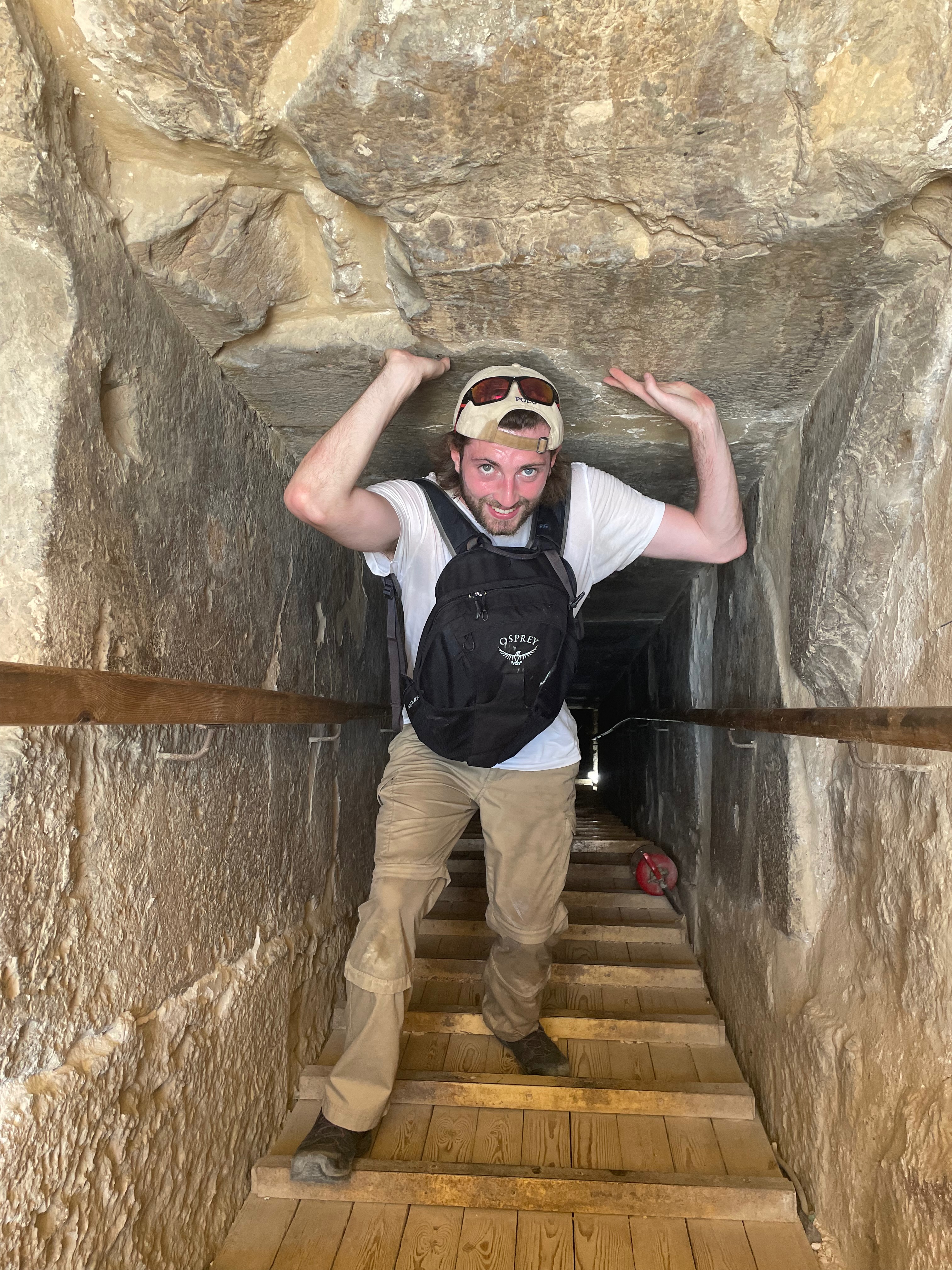
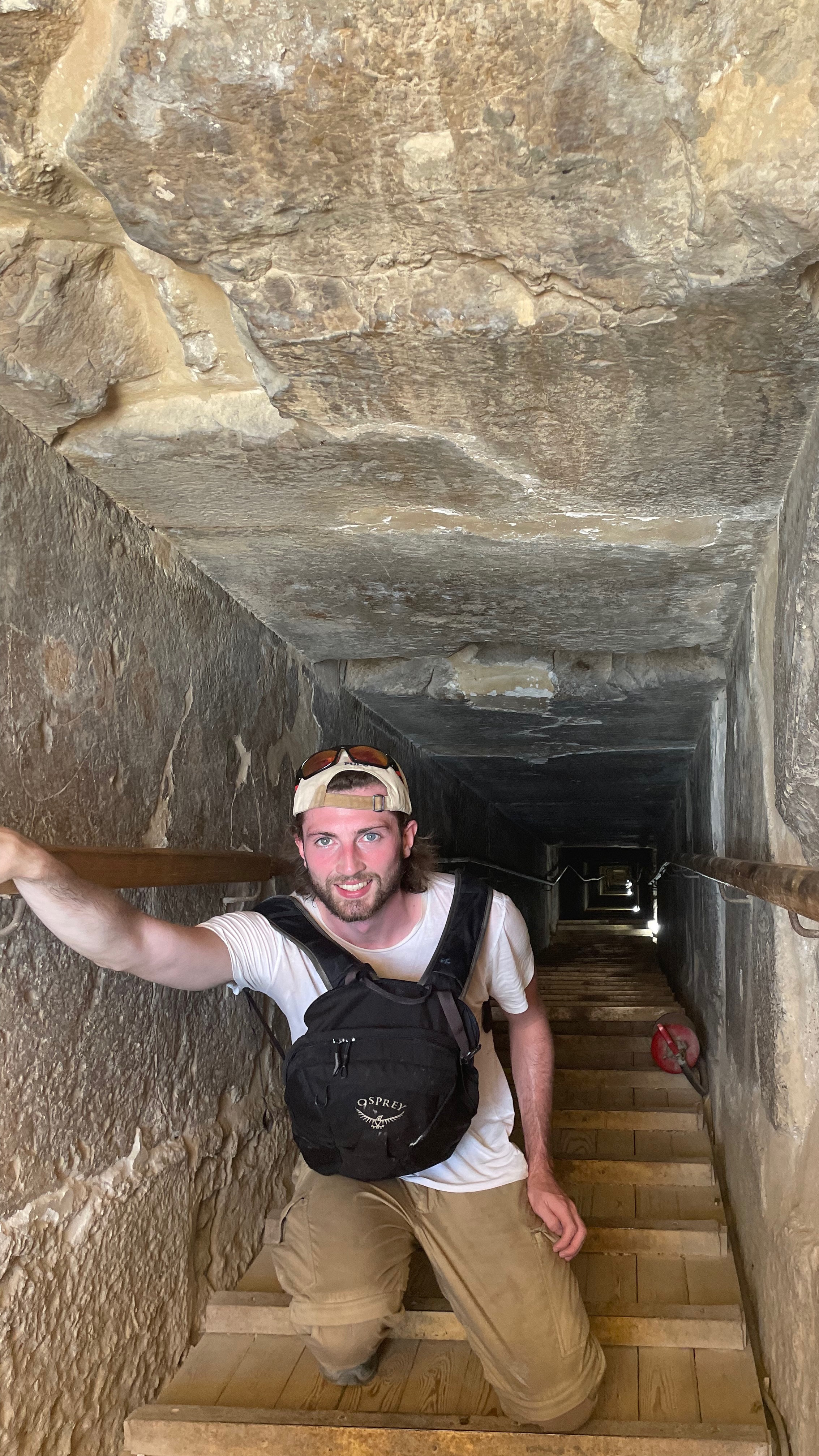
An additional advantage of Dahshur is the ability to descend deep inside both of the Pyramids. The 79-metre narrow, low tunnel down into the Bent Pyramid is certainly a challenge. The amount of crawling, climbing and banging on my back was certainly not what I expected on my trip around the pyramids. Nevertheless, this is certainly an experience I will never forget, descending inside an ancient, perfectly preserved architectural masterpiece. The Red Pyramid is marginally less arduous but still a great challenge. For anyone planning to do this, I’d recommend not making my mistake of taking a bag and making sure you have plenty of water when you get out, it will feel like you for done the hardest gym session of your life.
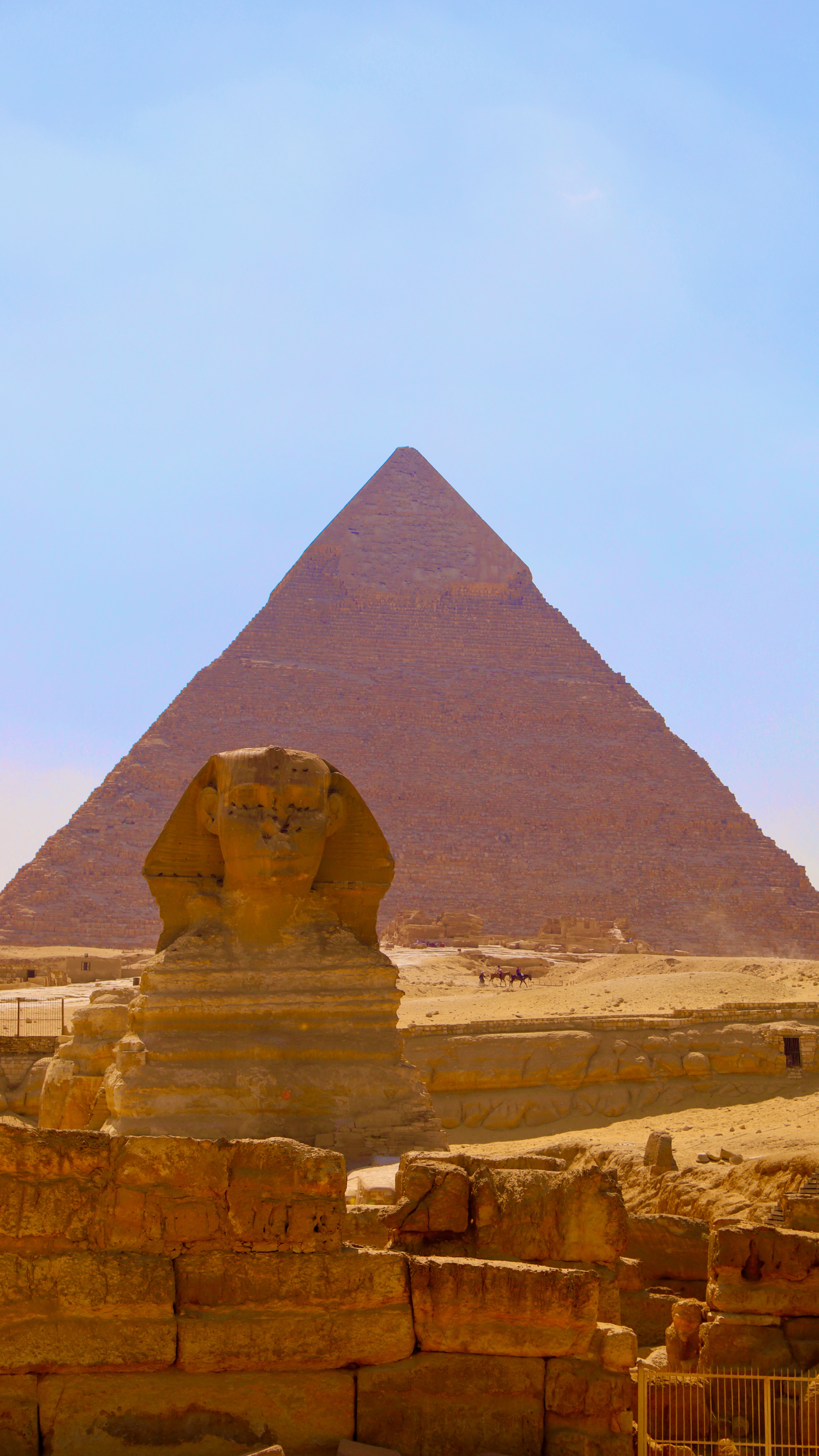
After Dahshur, we grabbed a great quick Egyptian lunch and headed to the Pyramids of Giza. The Giza Necropolis includes the largest pyramid ever built, The Great Pyramid of Giza, housing the tomb of Pharaoh Khufu, who died in the year 2566BC. Nearby is the slightly smaller Pyramid of Khufu’s son, Pharaoh Khafre. However, from many angles, this pyramid appears larger than the Great Pyramid of Giza due to its position on higher ground. The construction of these masterpieces may well be a mystery but this just adds to their mystique in my opinion.
In Downtown Cairo by Tahrir Square is the world-famous Egyptian Museum. The museum is a treasure trove of ancient Egypt. From the world-famous priceless mask of Tutankhamun to enormous statues first found at the ancient capital of Thebes. The museum has over 100,000 exhibits and is almost overwhelming, nevertheless for someone interesting in Egyptology I doubt there is a better place to visit in the world.
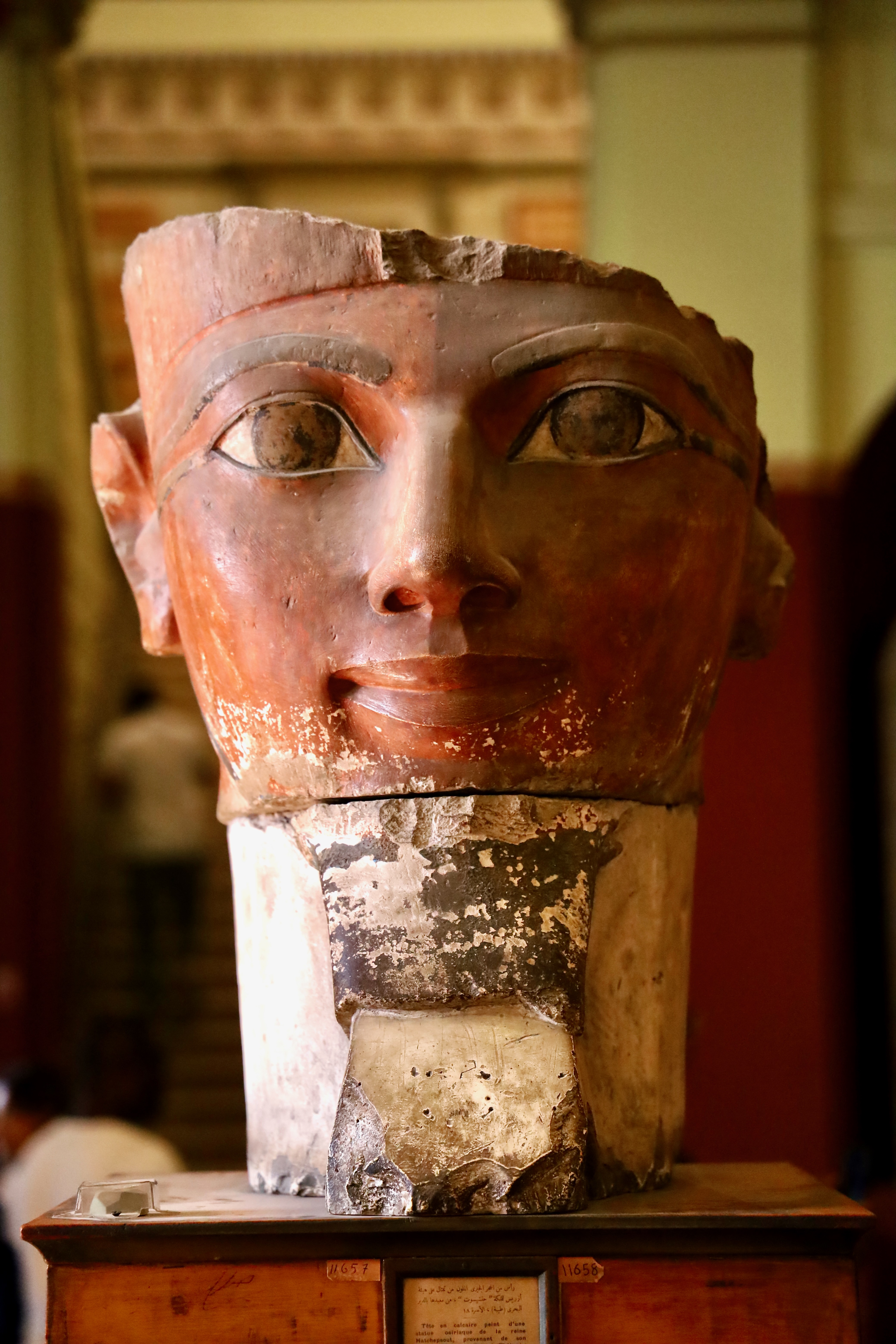
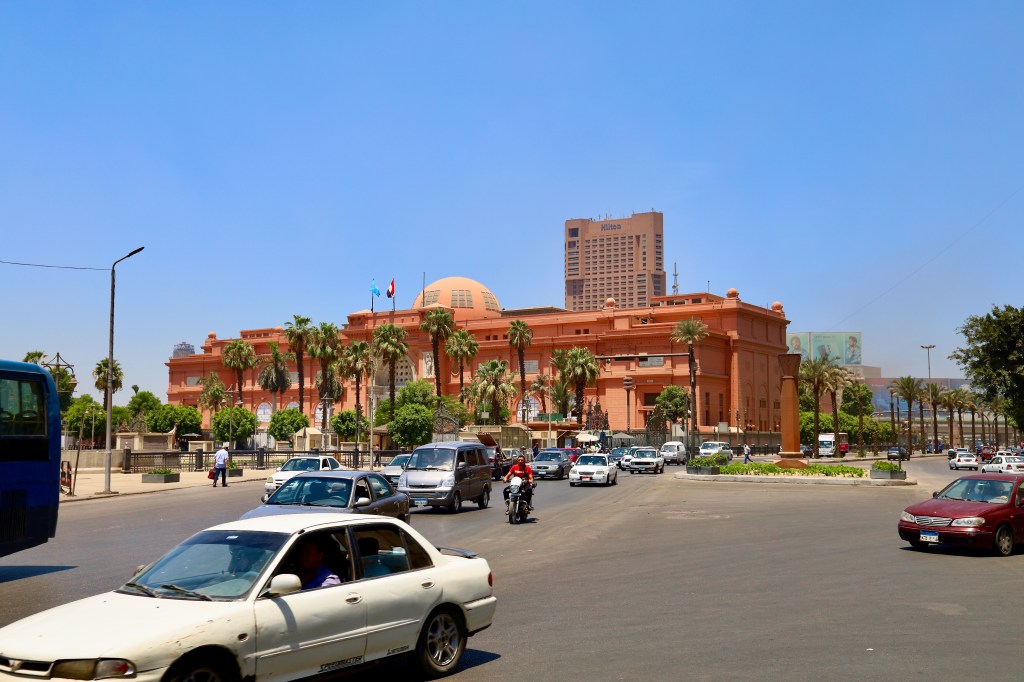
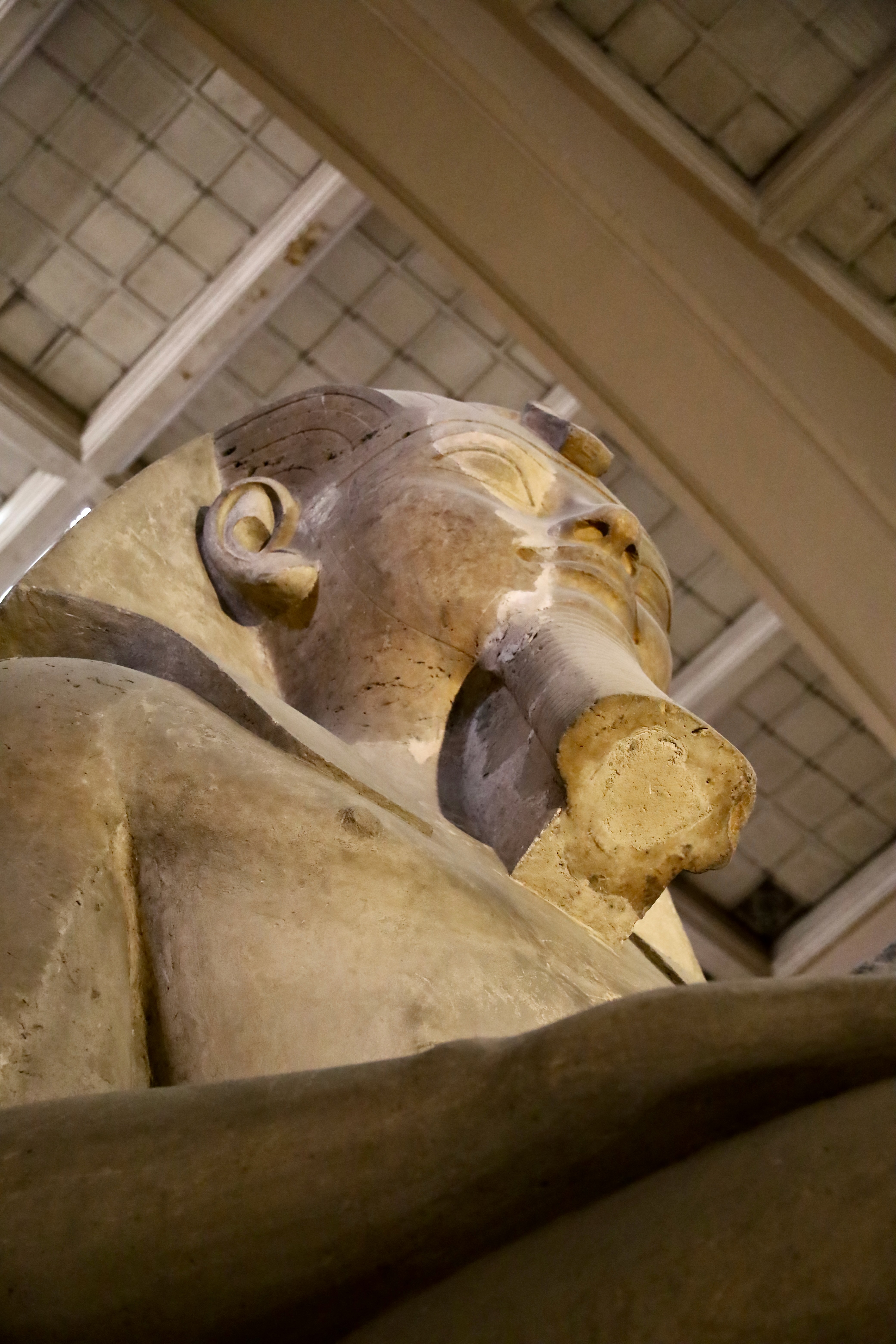
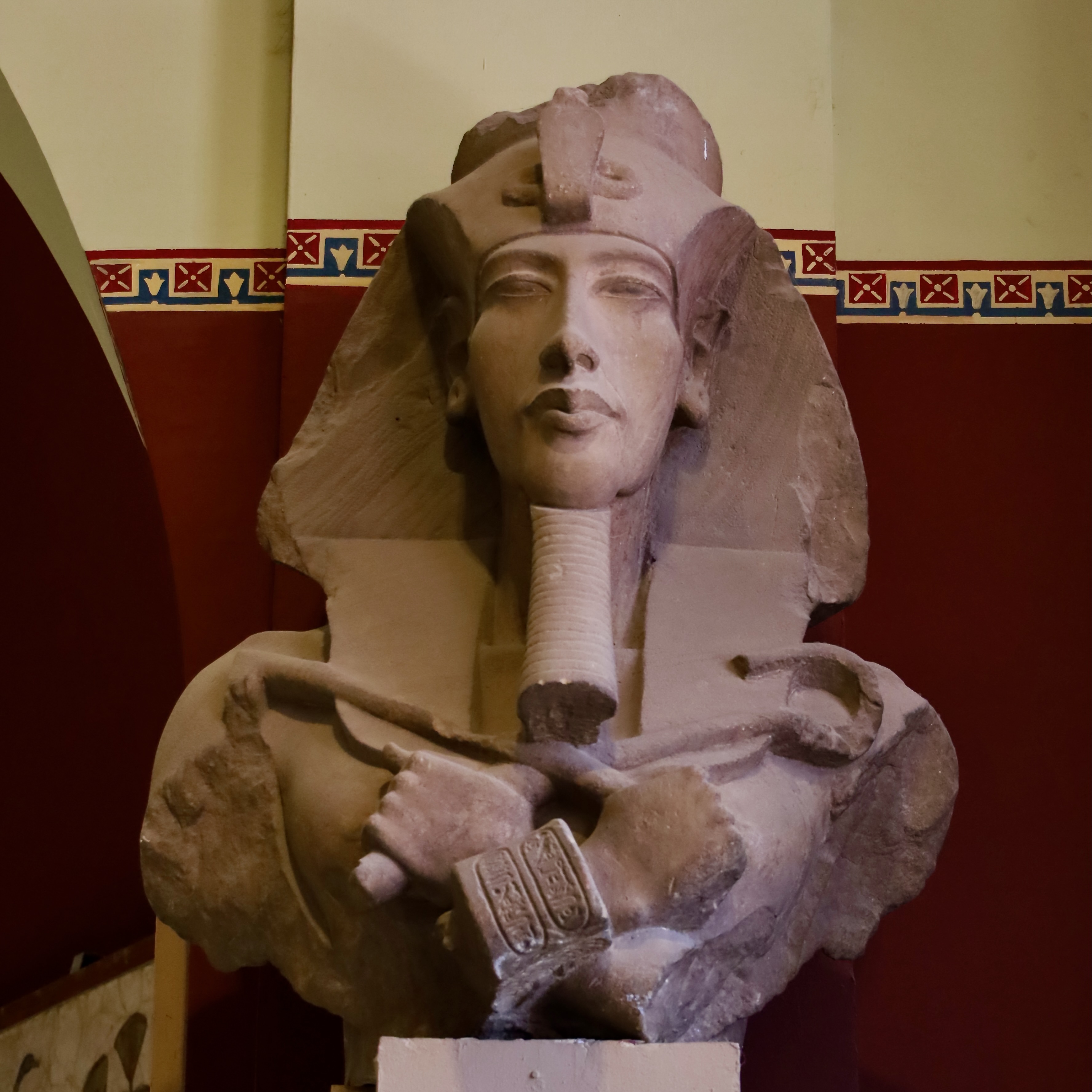
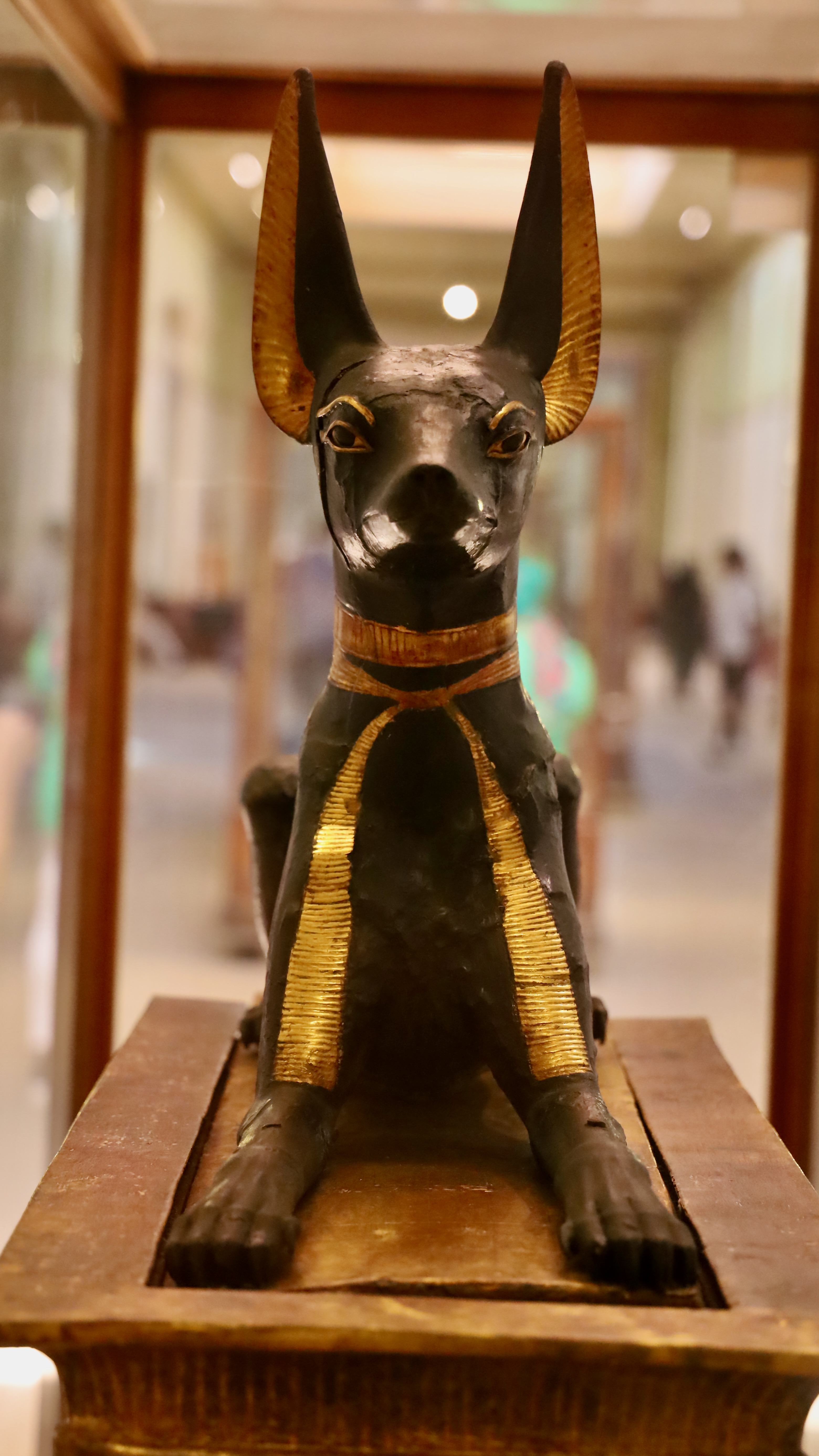
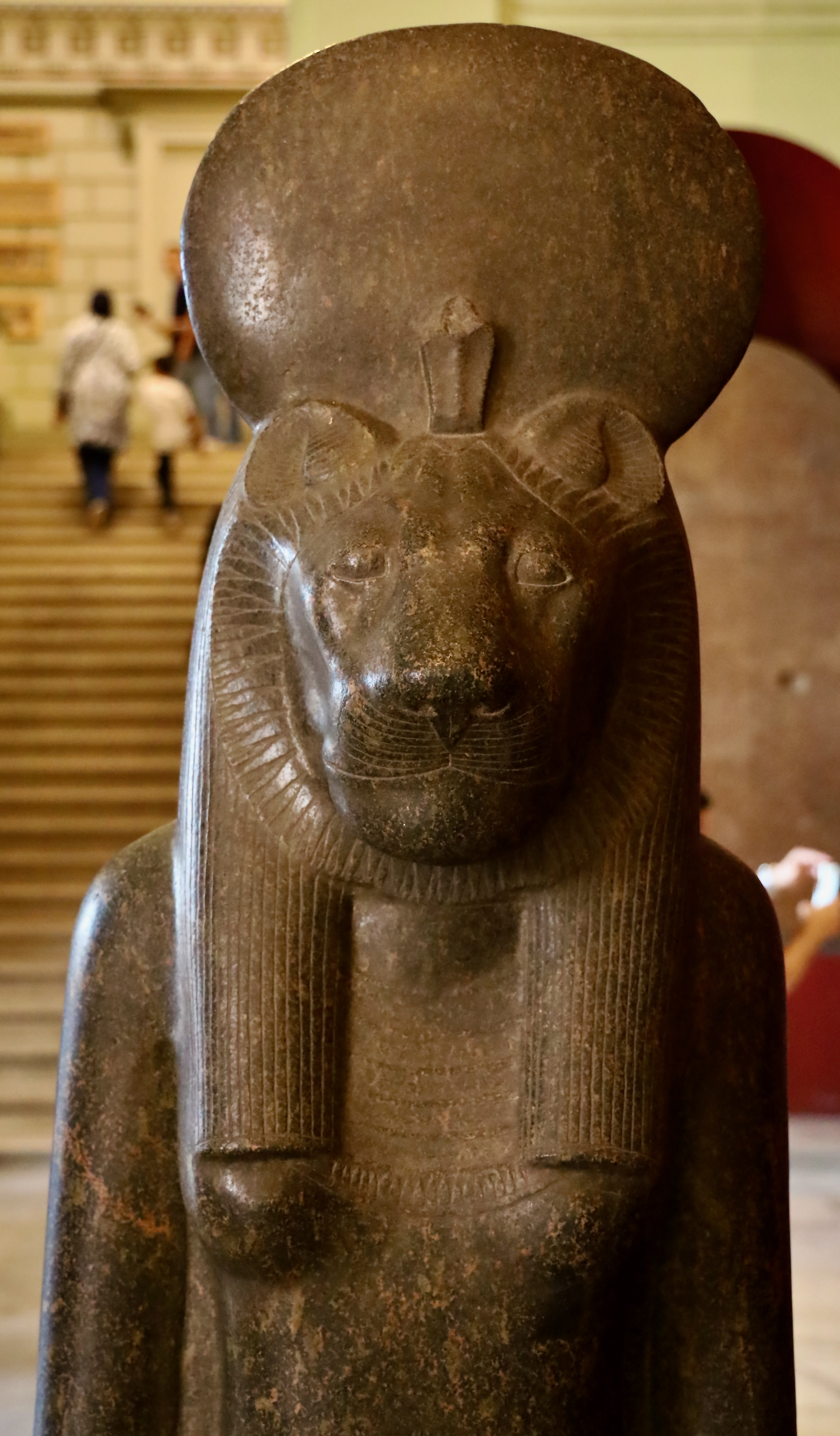
Due to the large quantity of exhibits and relative lack of space, some exhibits have begun to be moved to other museums in Cairo. In the near future, many will be moved to the yet-to-be-opened Grand Egyptian Museum at Giza. The recently opened National Museum of Egyptian Civilization houses 22 royal mummies that were transferred from the Egyptian Museum in 2021. This museum is perhaps better laid out than the Egyptian Museum, with more texts to read and learn about the history of Egypt and what I am looking at.
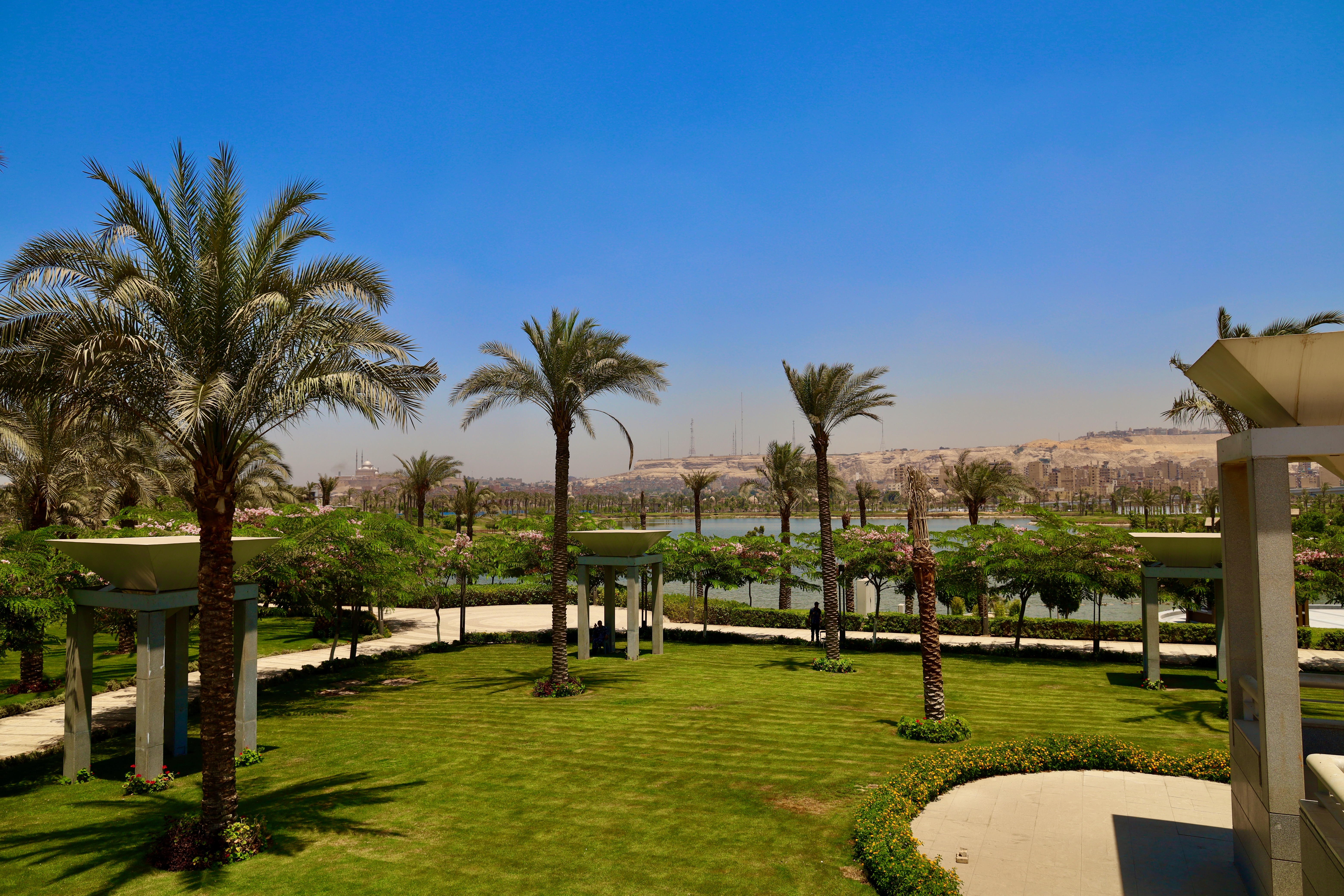
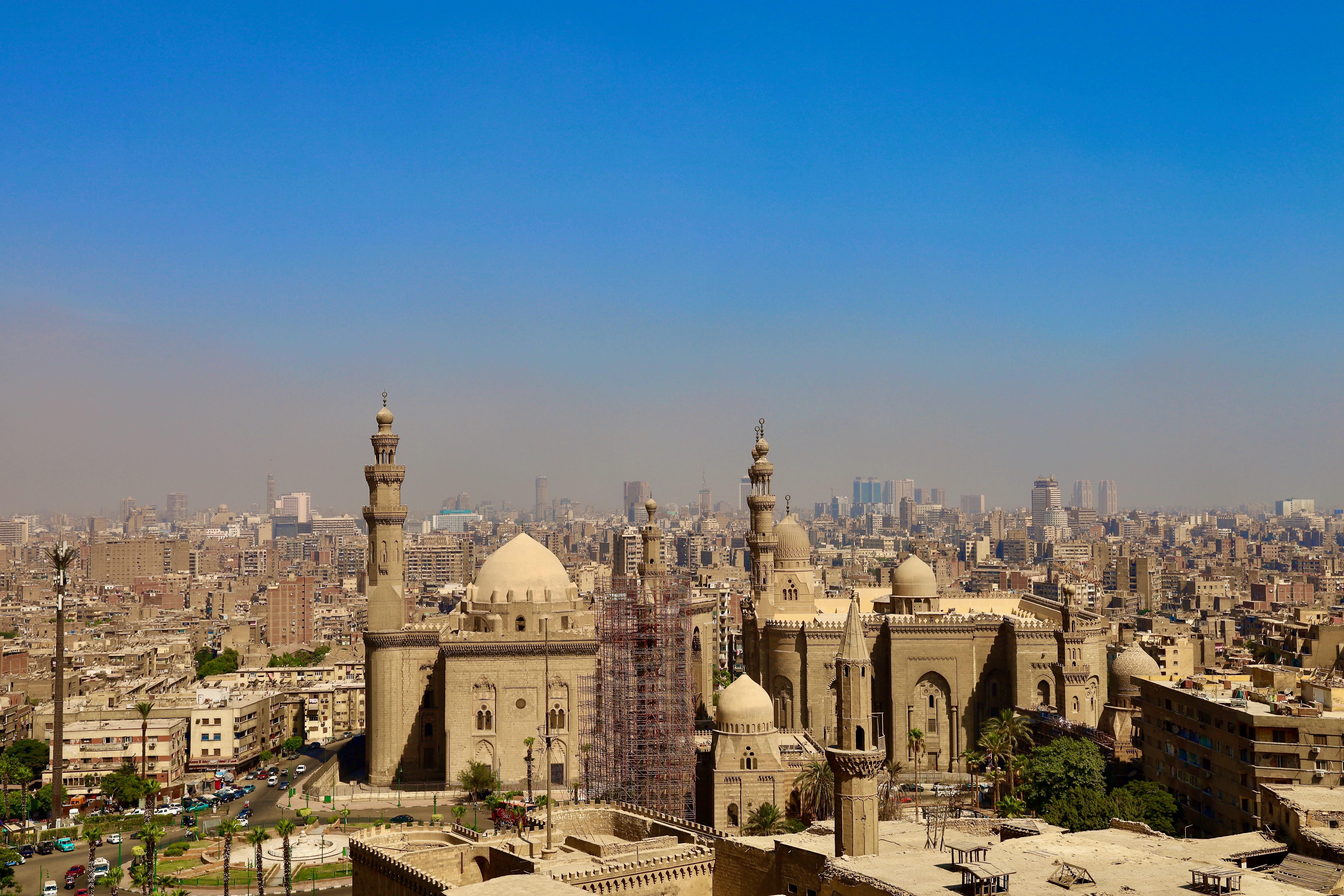
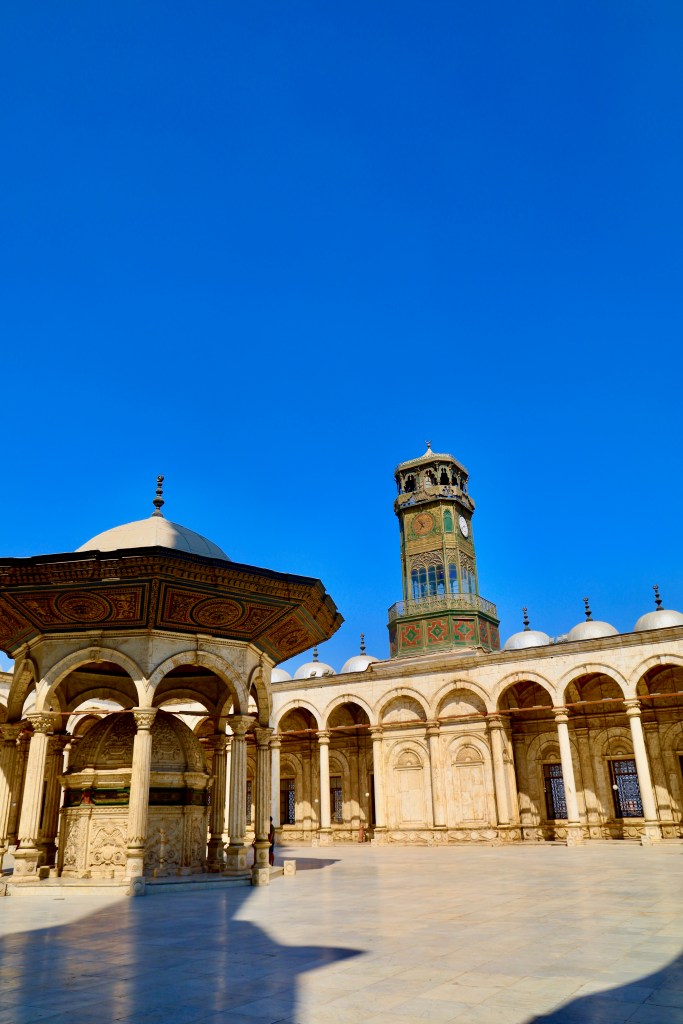
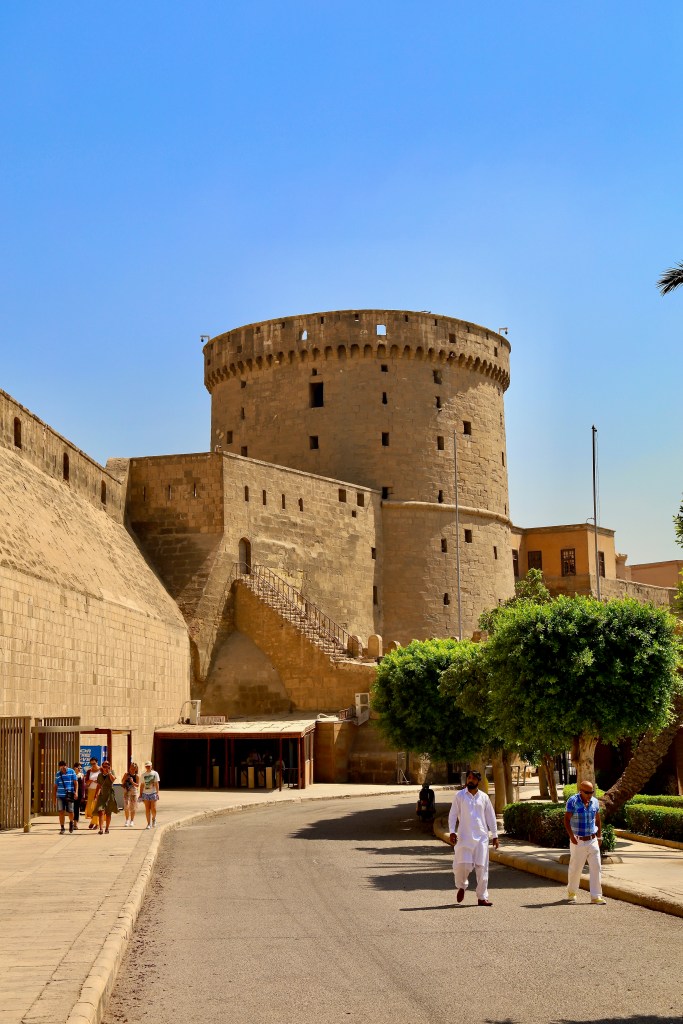
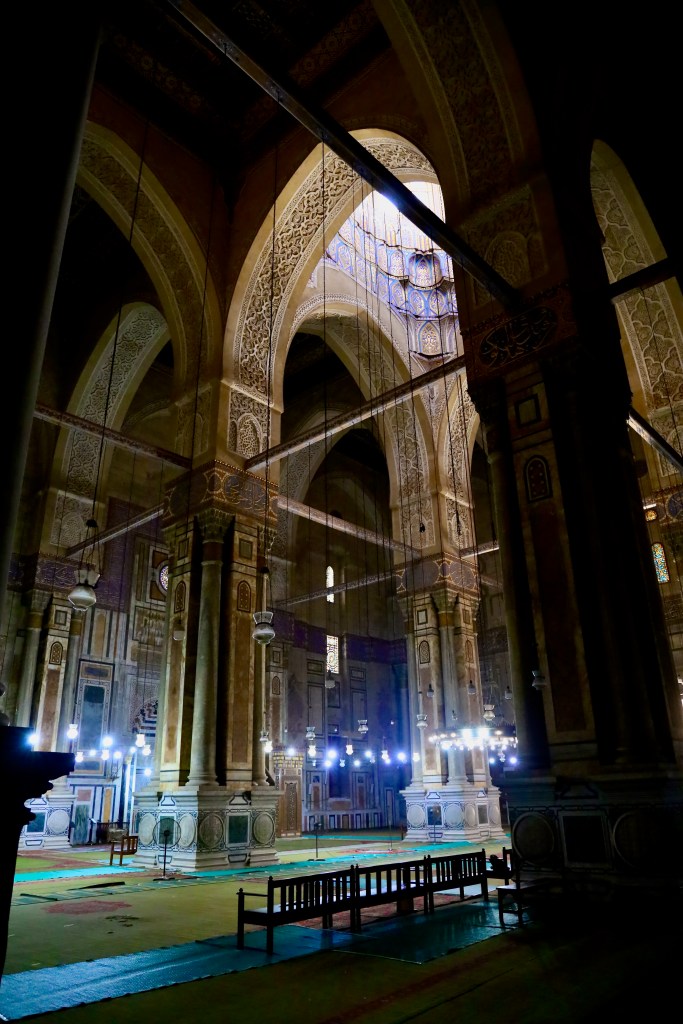
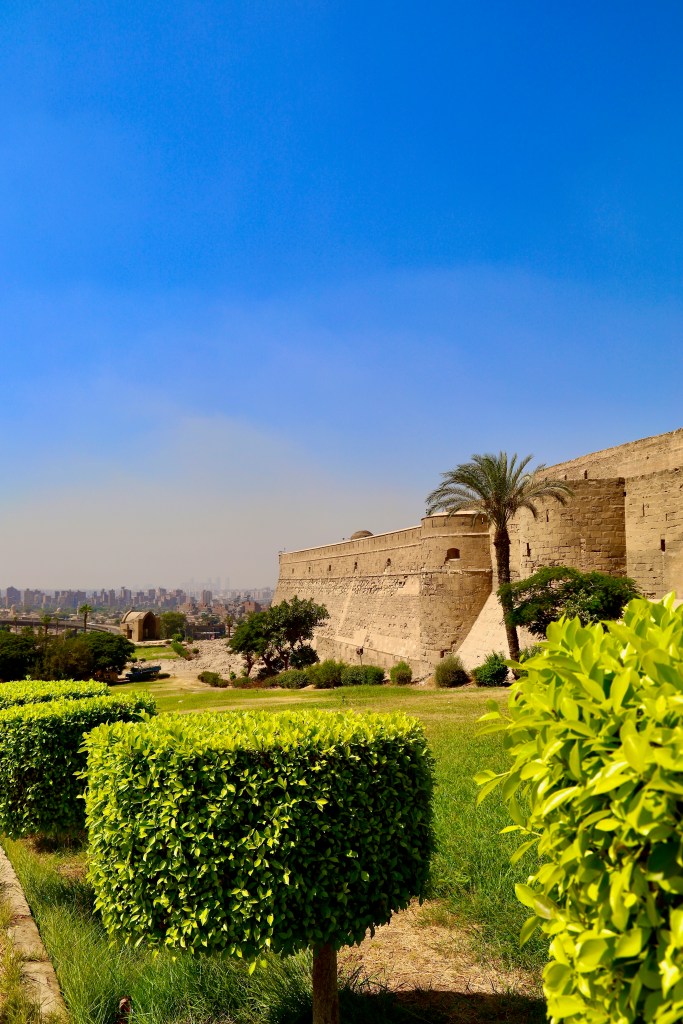
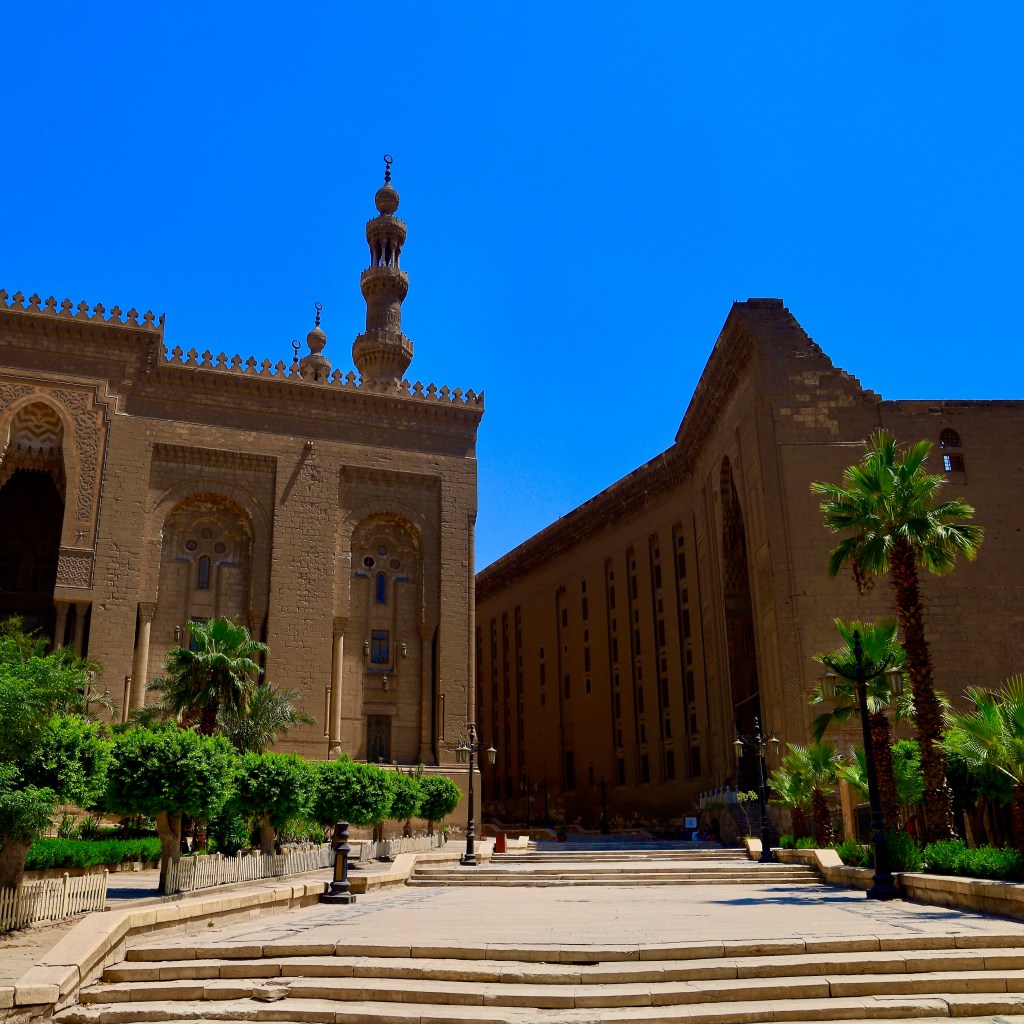
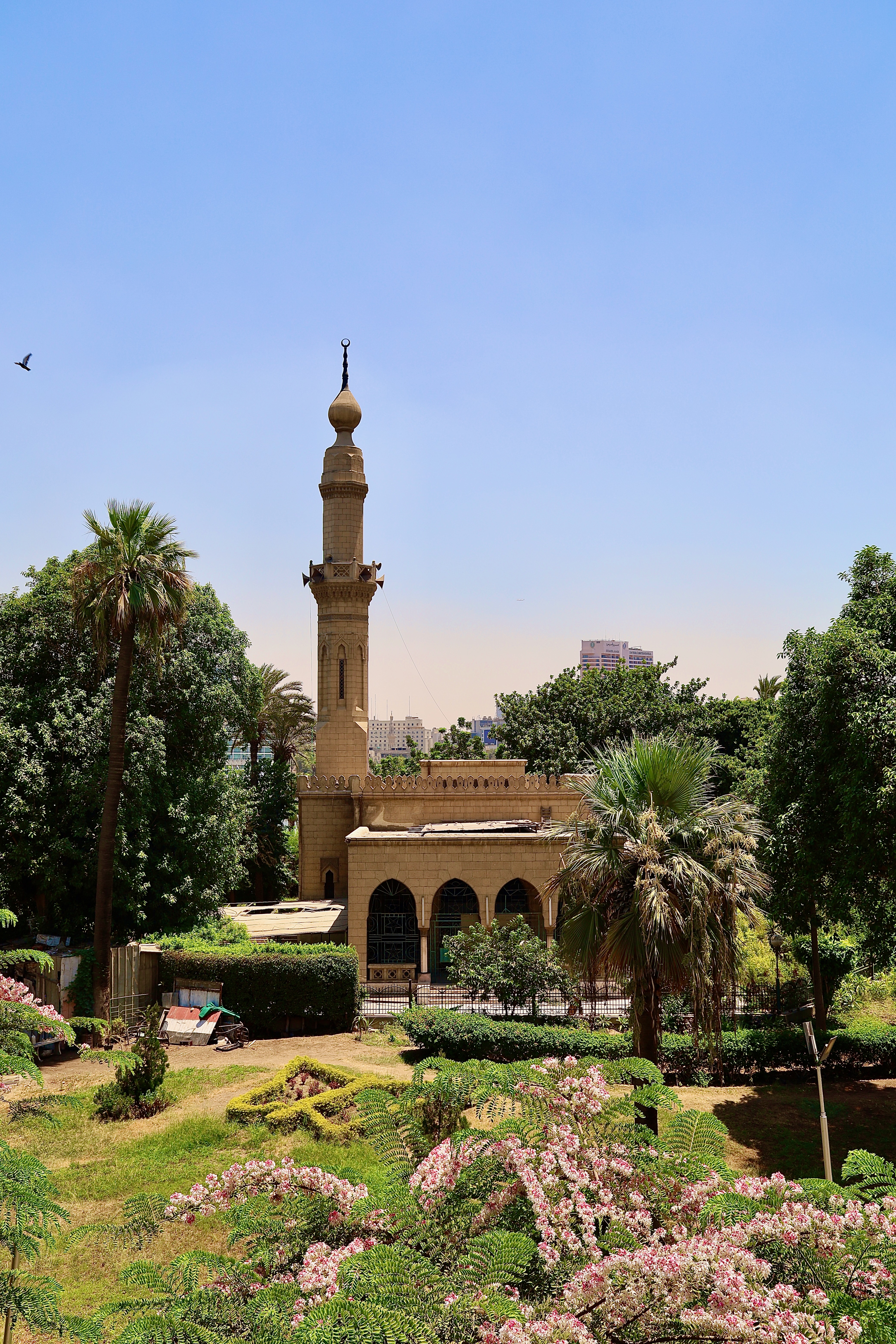
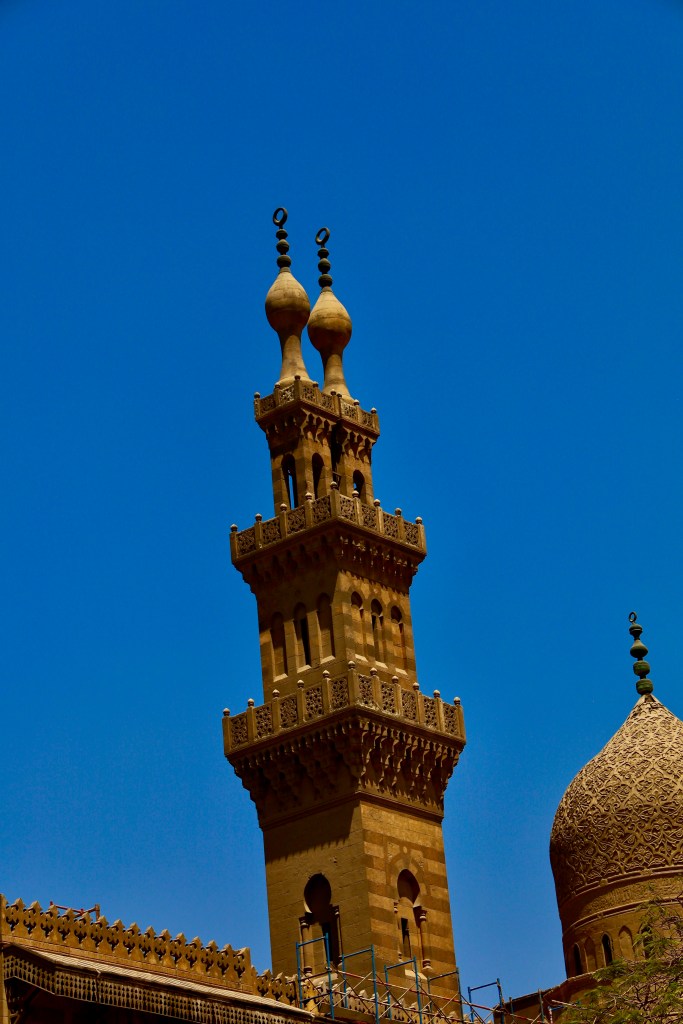
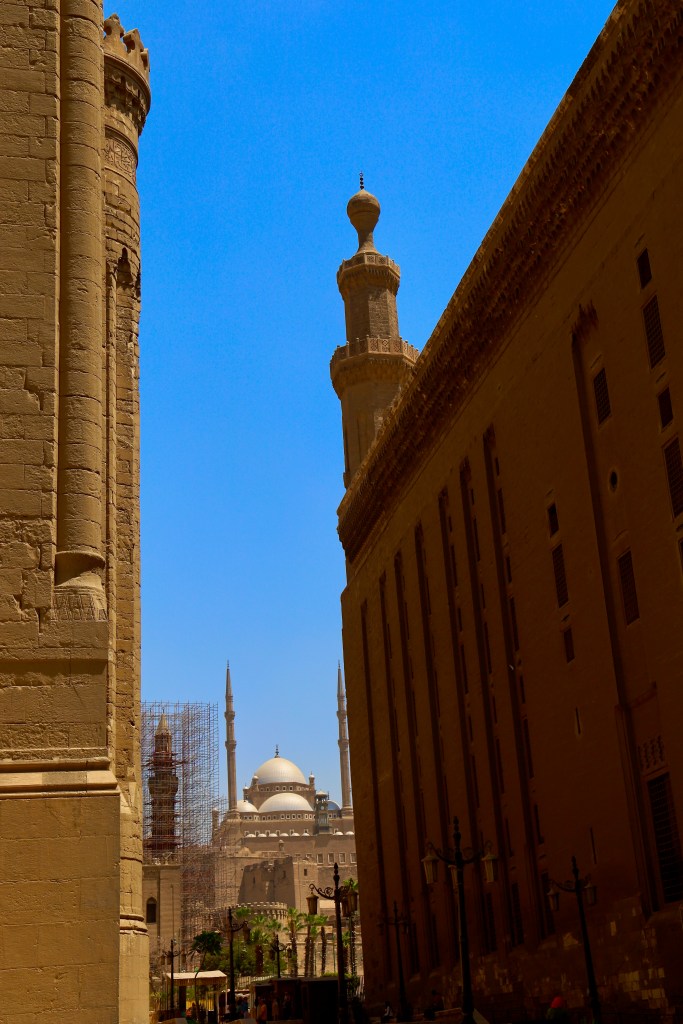
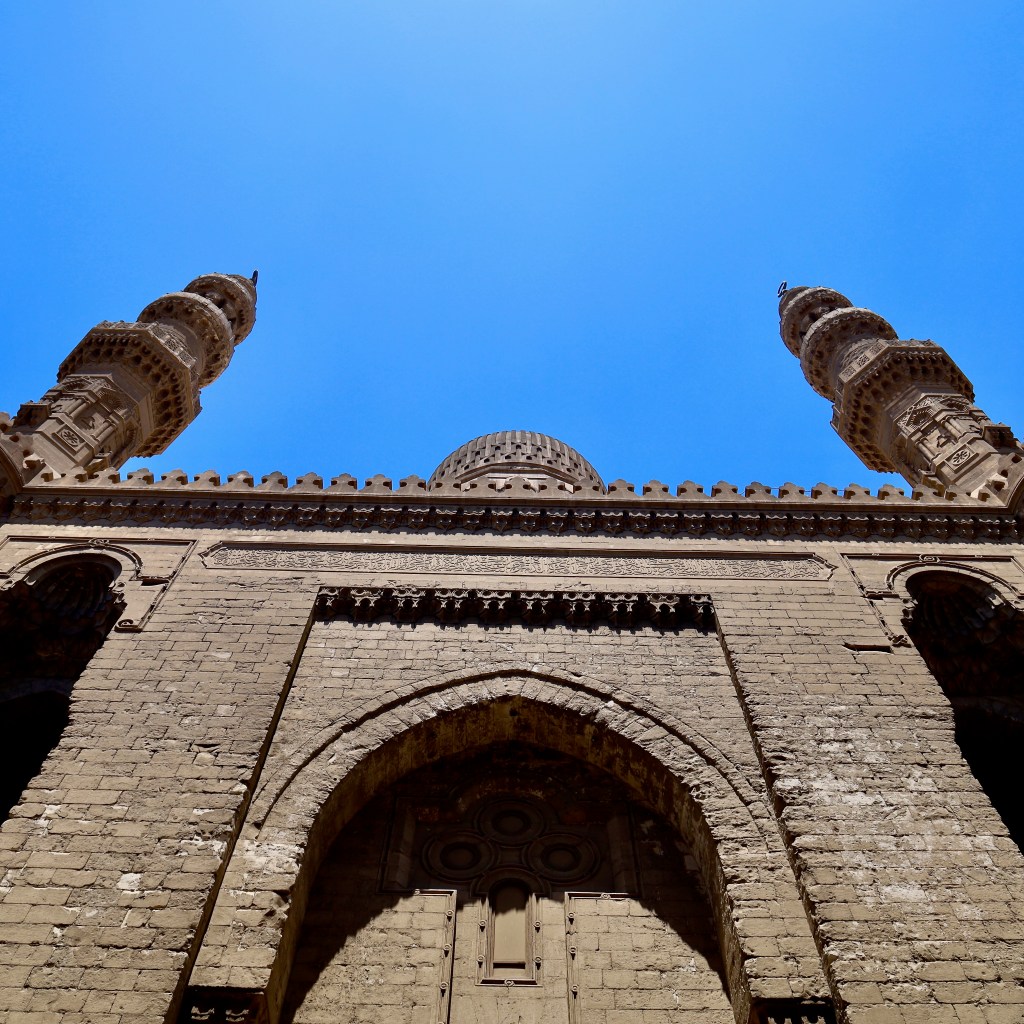
The National Museum of Egyptian Civilization is situated in an area of Cairo not too far from Saladin’s medieval citadel. The citadel itself is fairly large and contains a few museums, among them the Military Museum. Additionally, two large mosques sit on the top of the citadel’s hill, including the Great Mosque of Muhammad Ali Pasha built in the Ottoman-style, similar to that which is seen in Istanbul. Outside the citadel, at the foot of the hill stands the Salah al-Din Square, otherwise known as Citadel Square. The square is flanked by the Mosque-Madrasa of Sultan Hassan, Al-Mahmoudia Mosque and Al-Rifa’i Mosque. The Mosques, although lacking the vibrant colours of Central Asia are vast, they are enormous structures with small details everywhere. I don’t know if it’s a result of the places I have been visiting but Mosques are often the architectural highlights. Although not quite the Pyramids, these mosques are simply spectacular. Just walking around them gives a certain feeling that I can’t quite explain but is great to experience.
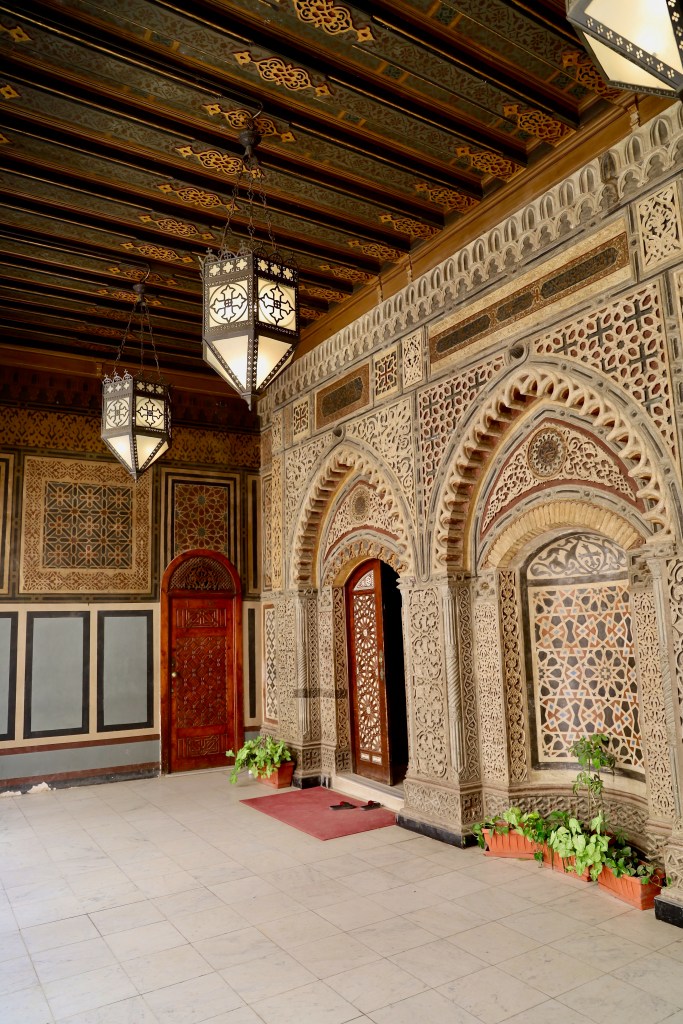
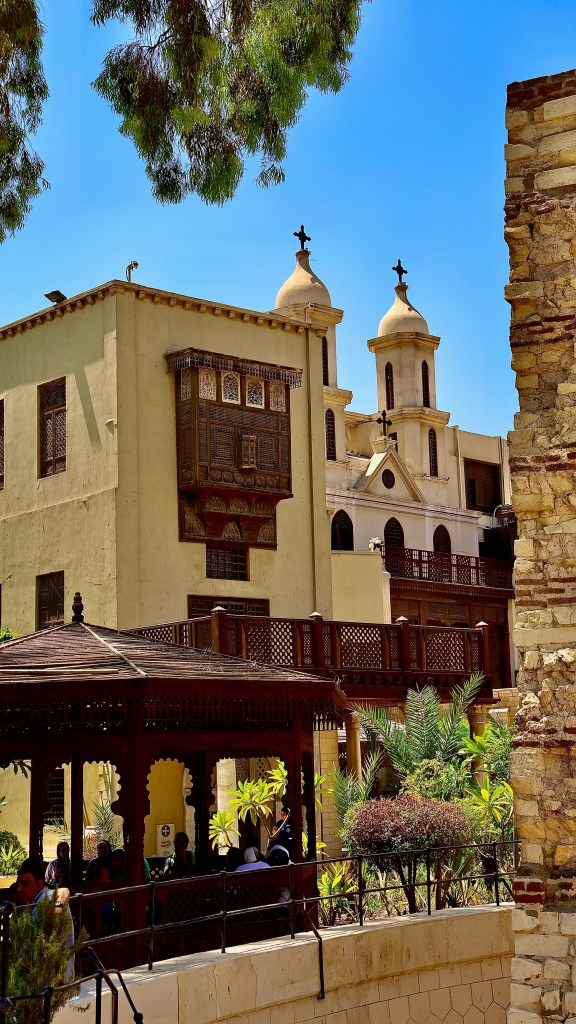
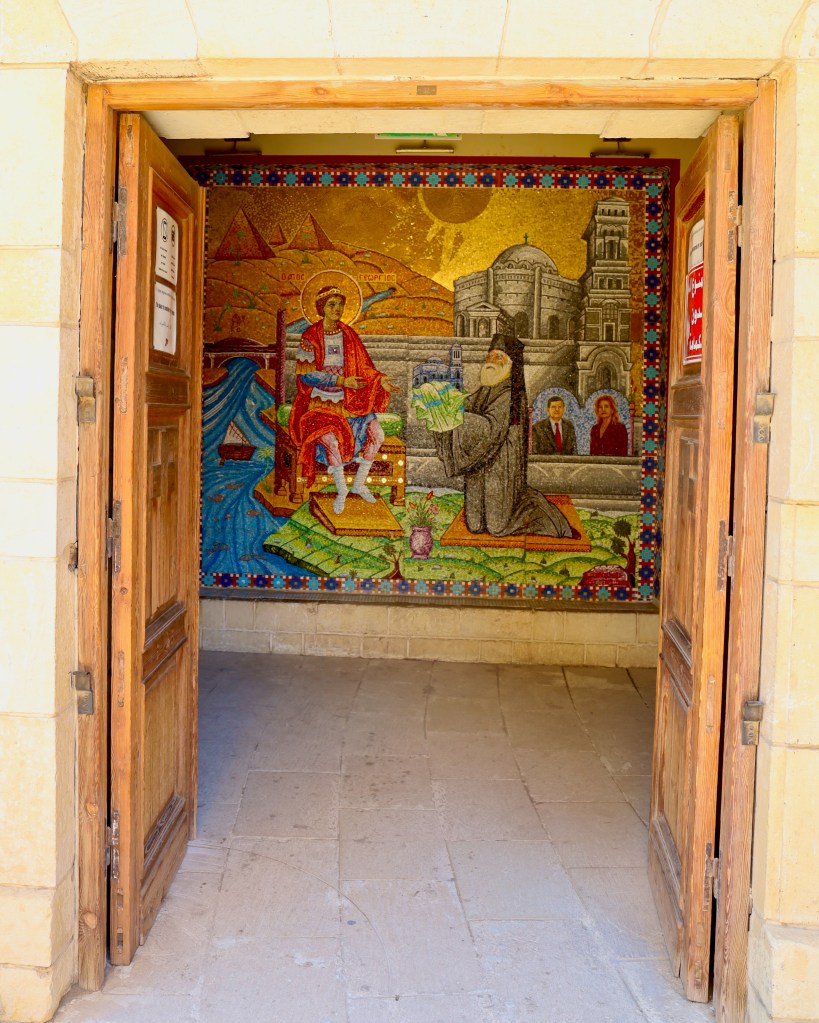
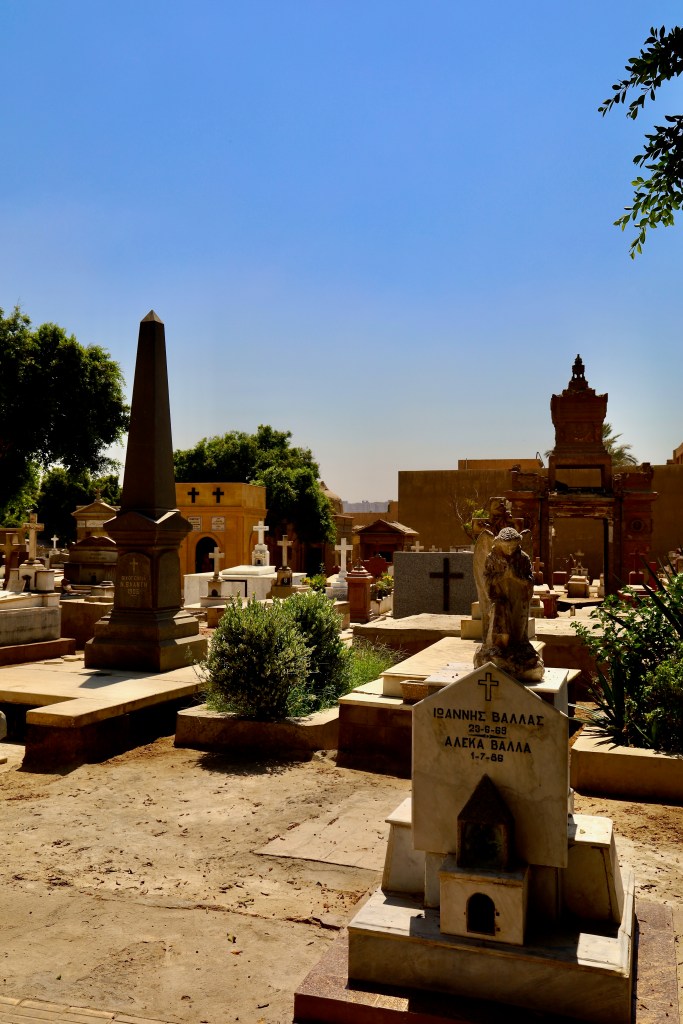
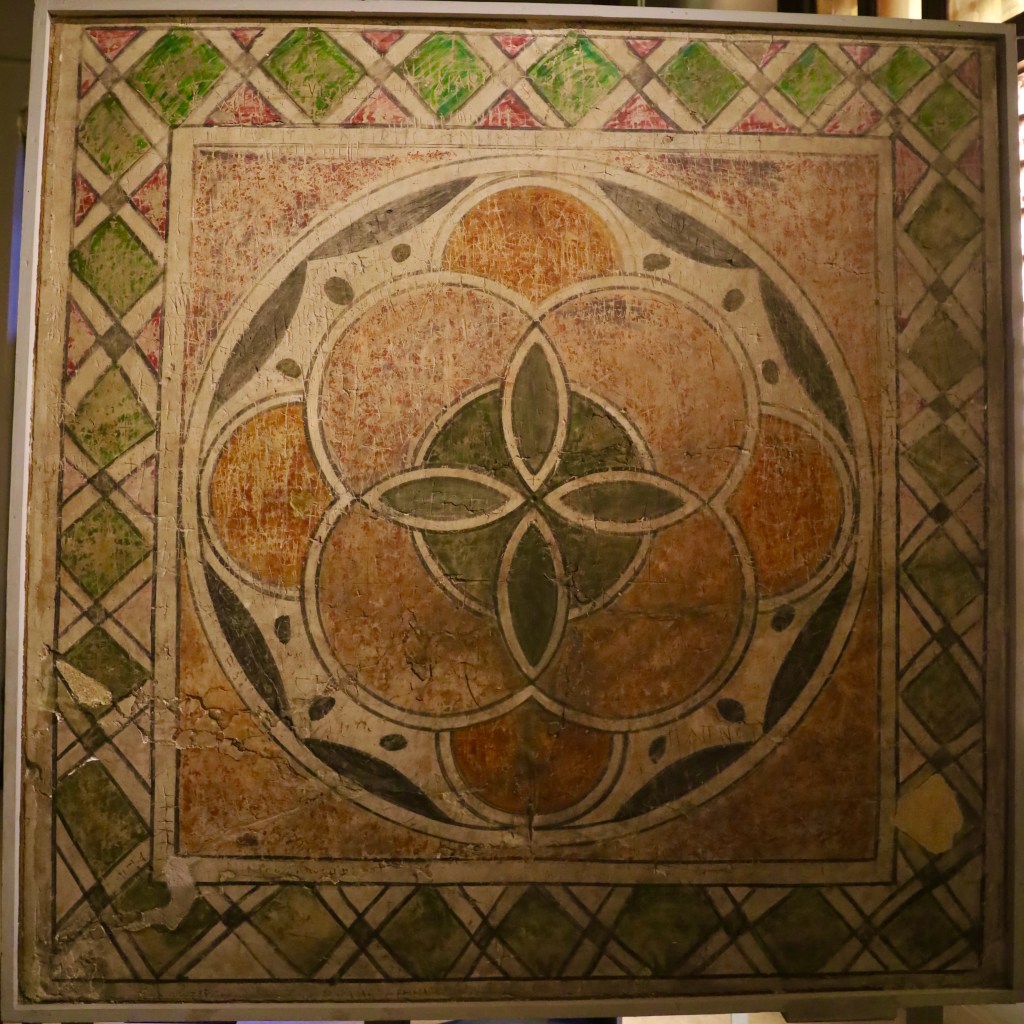
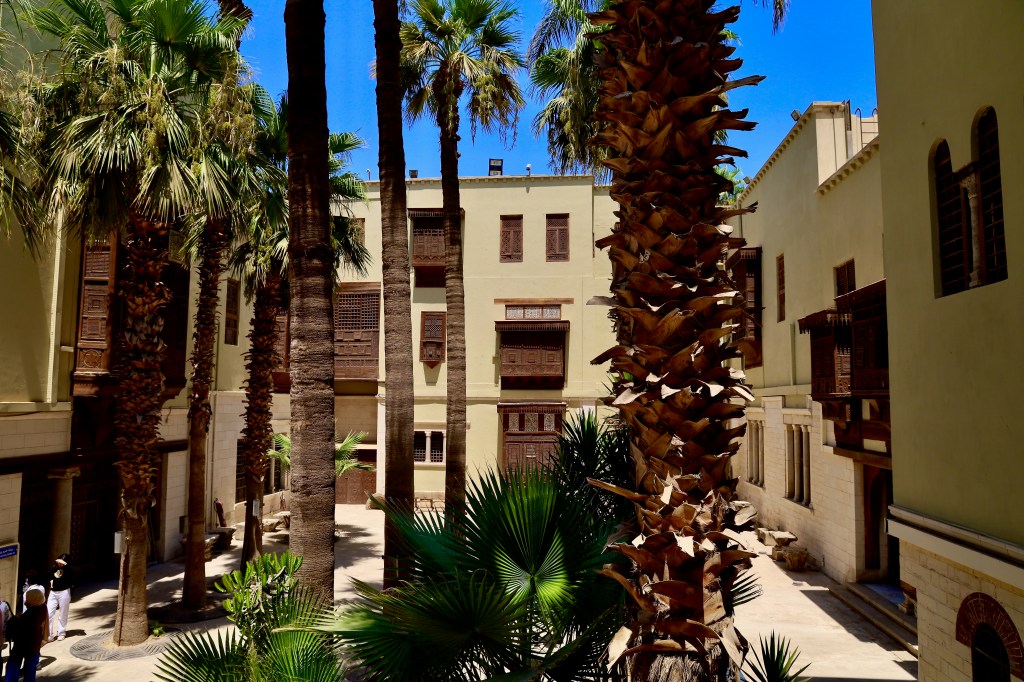
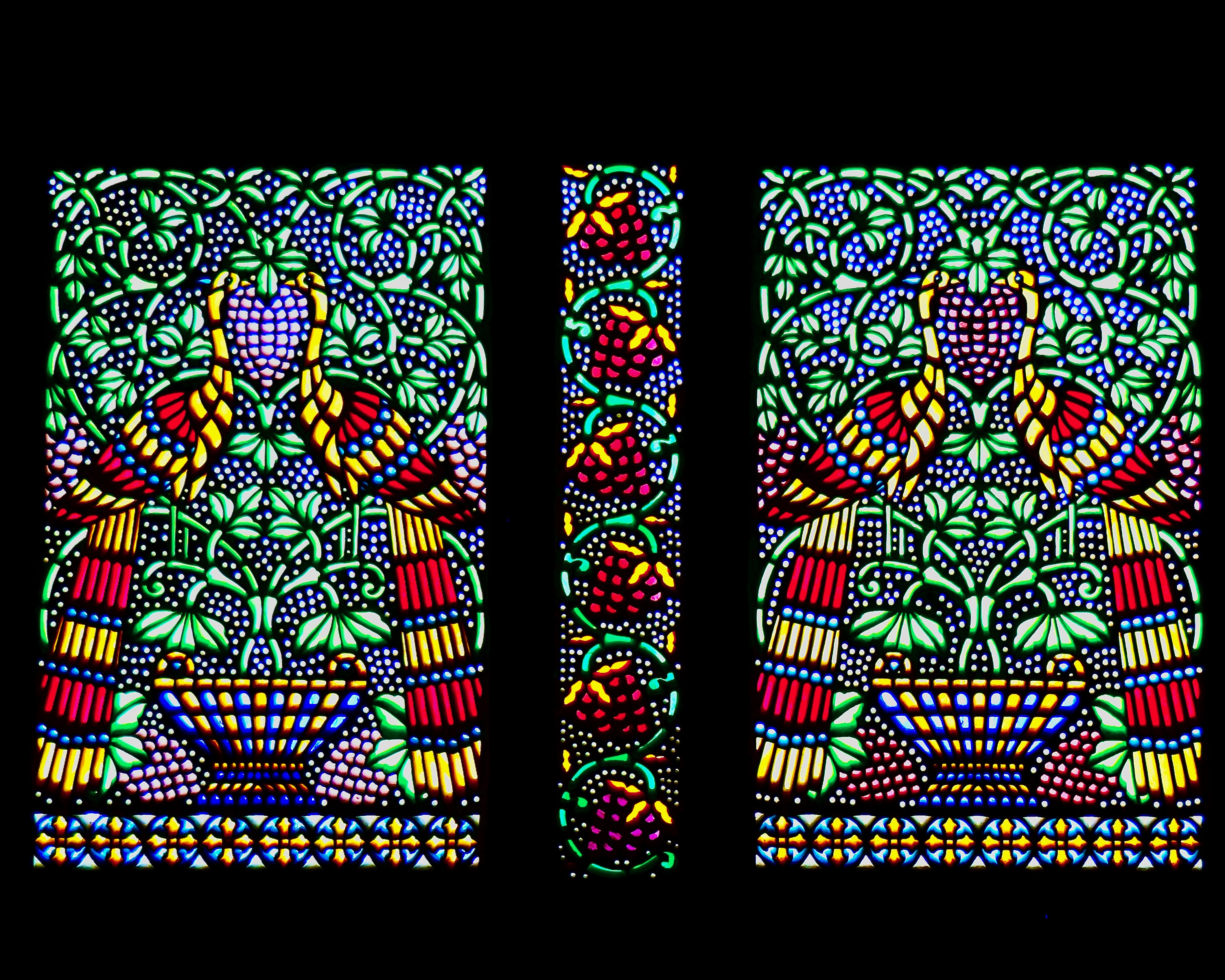
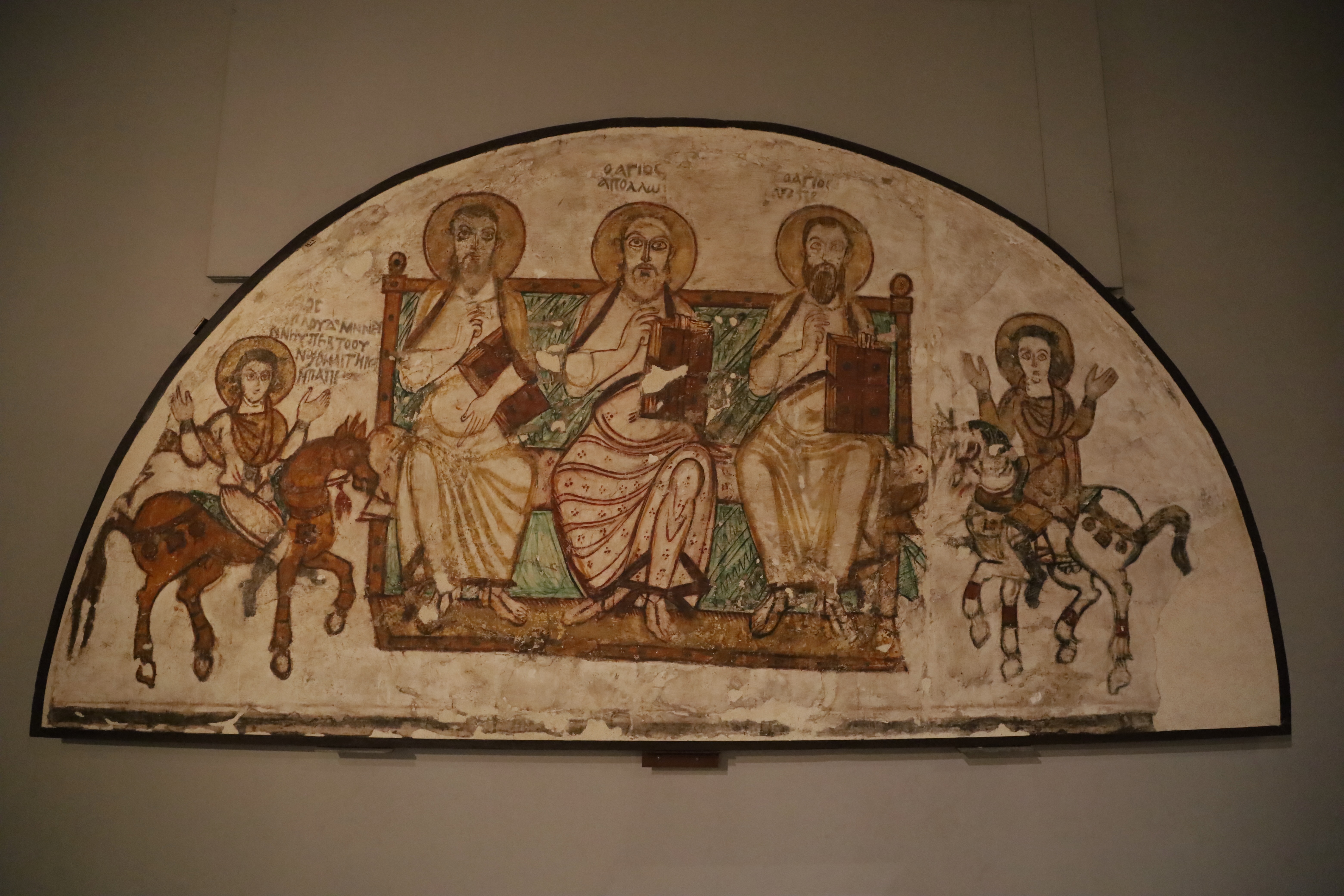
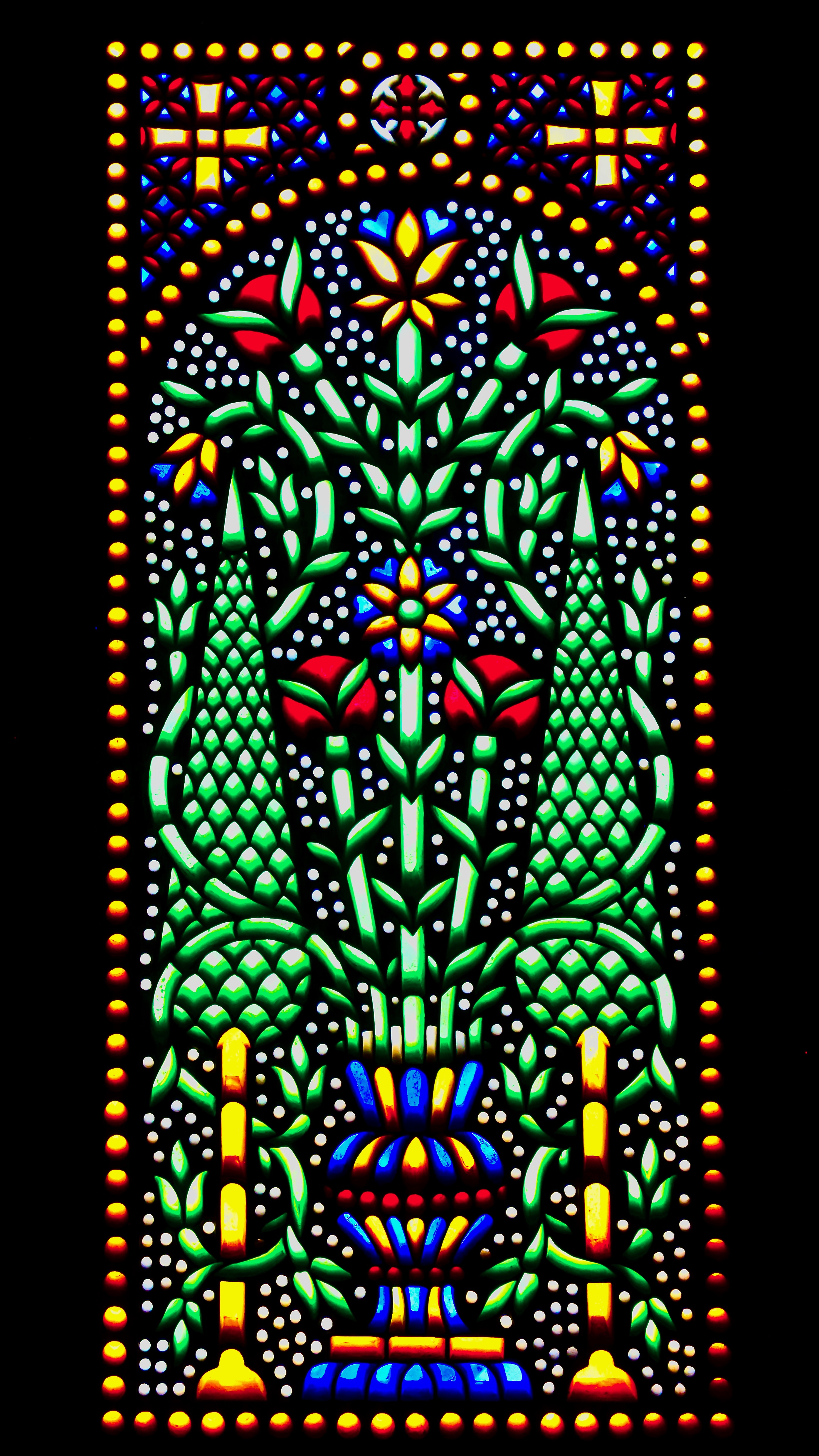
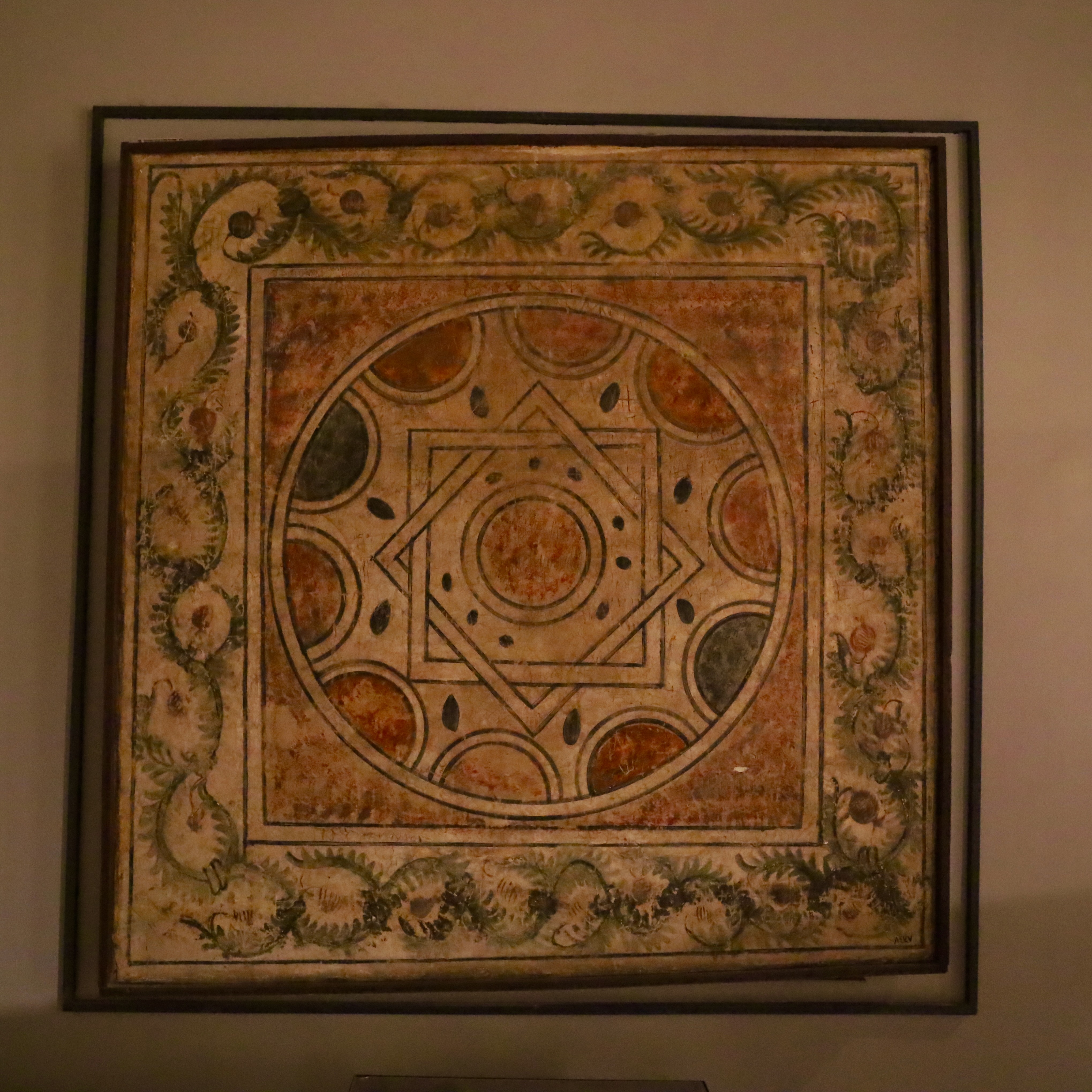
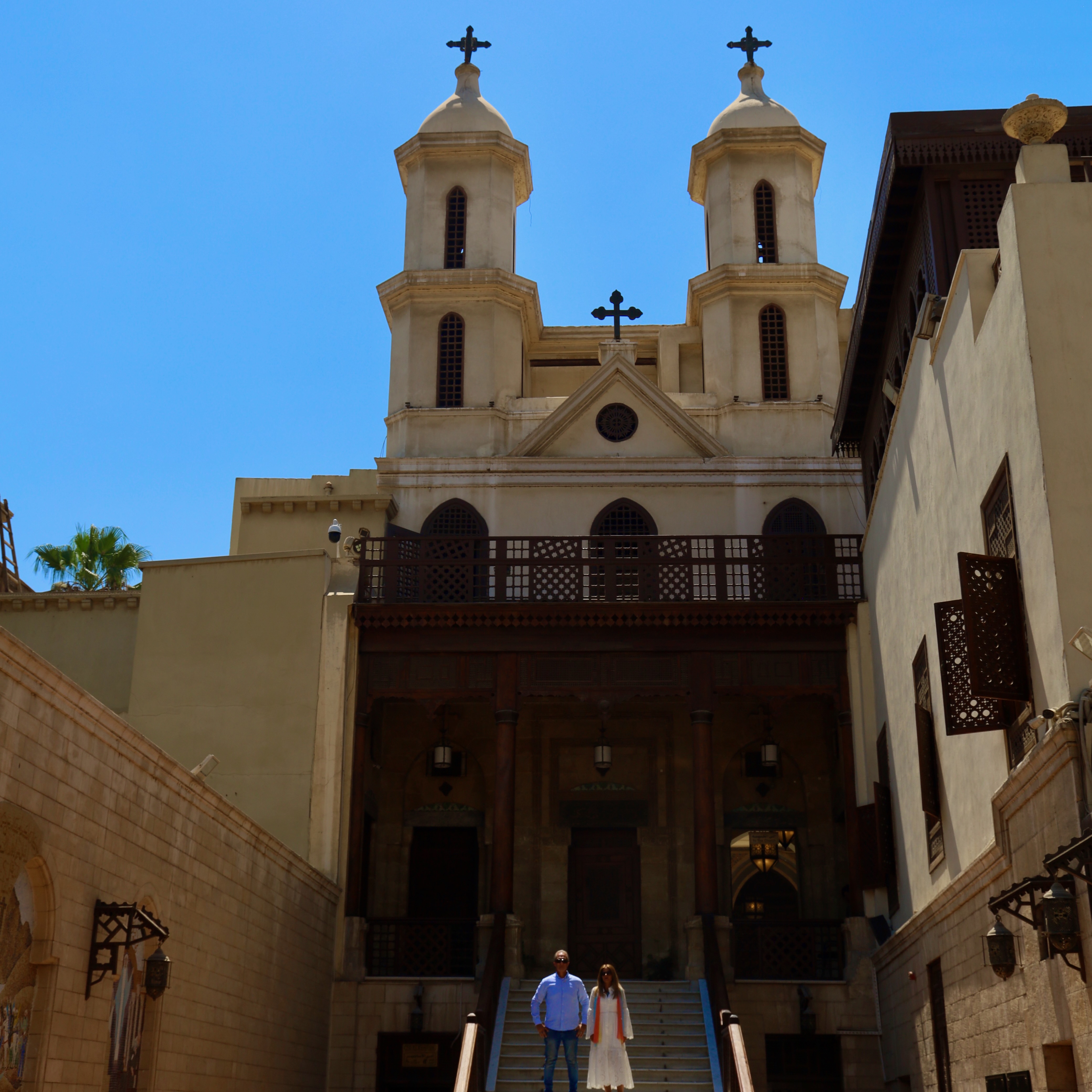
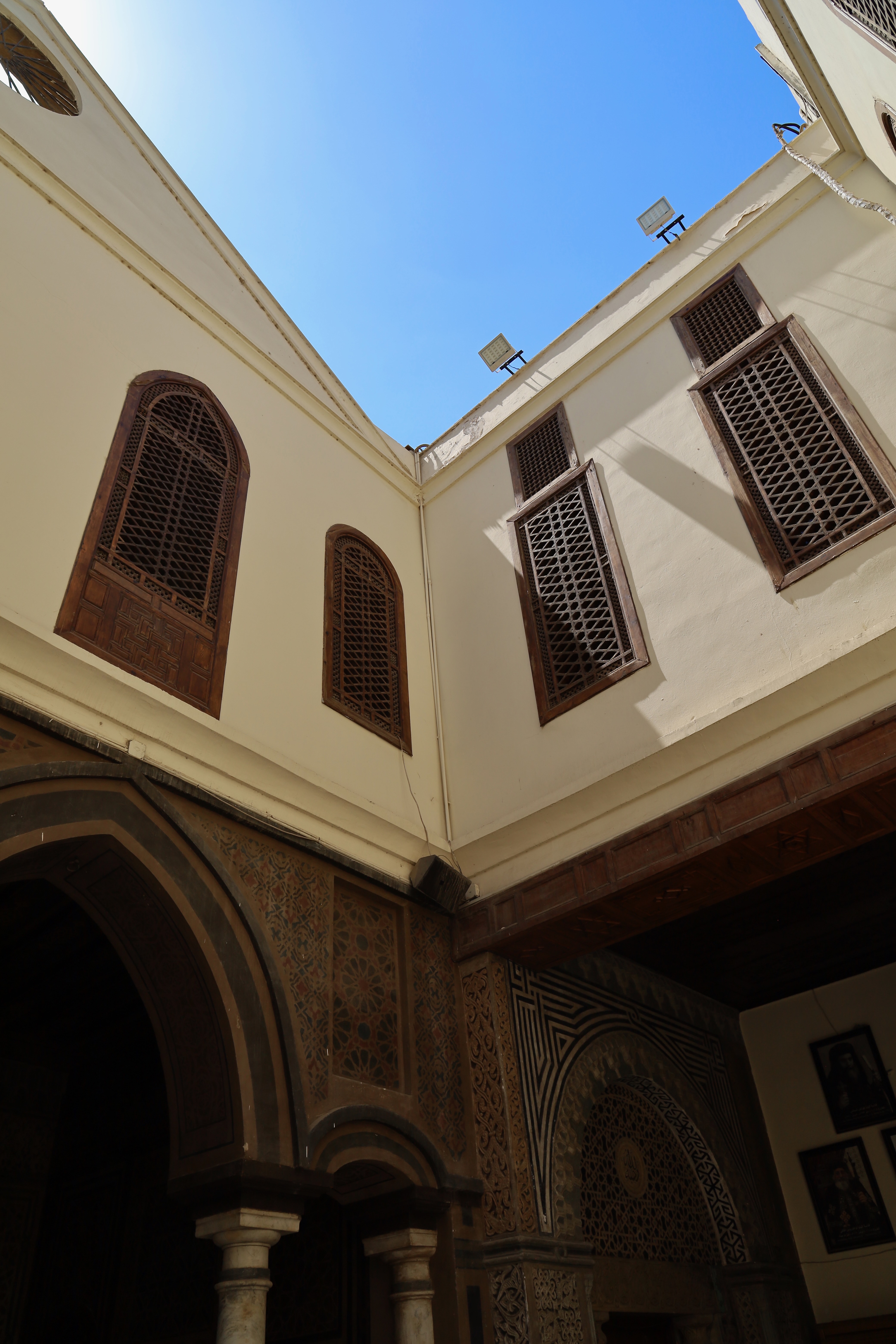
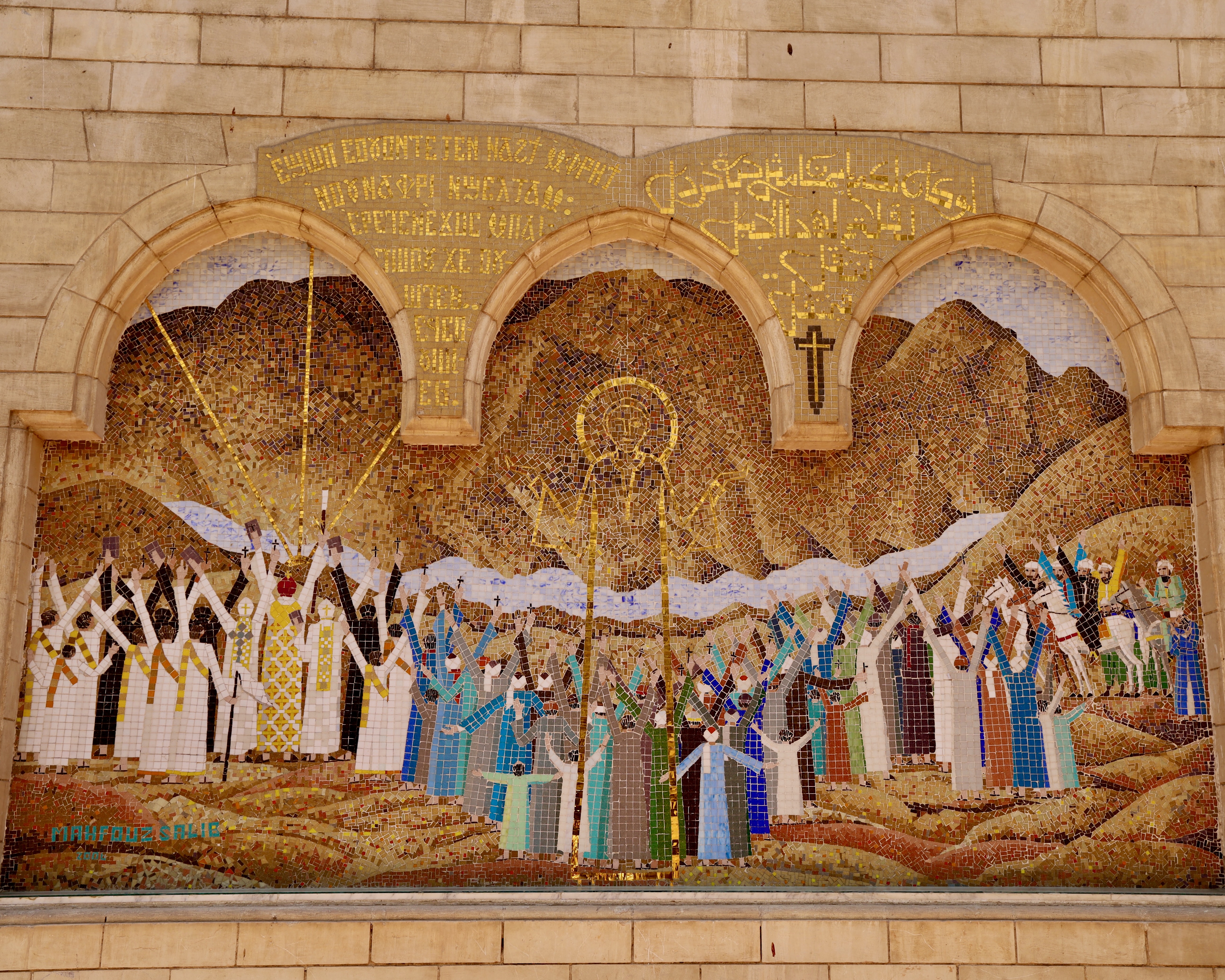
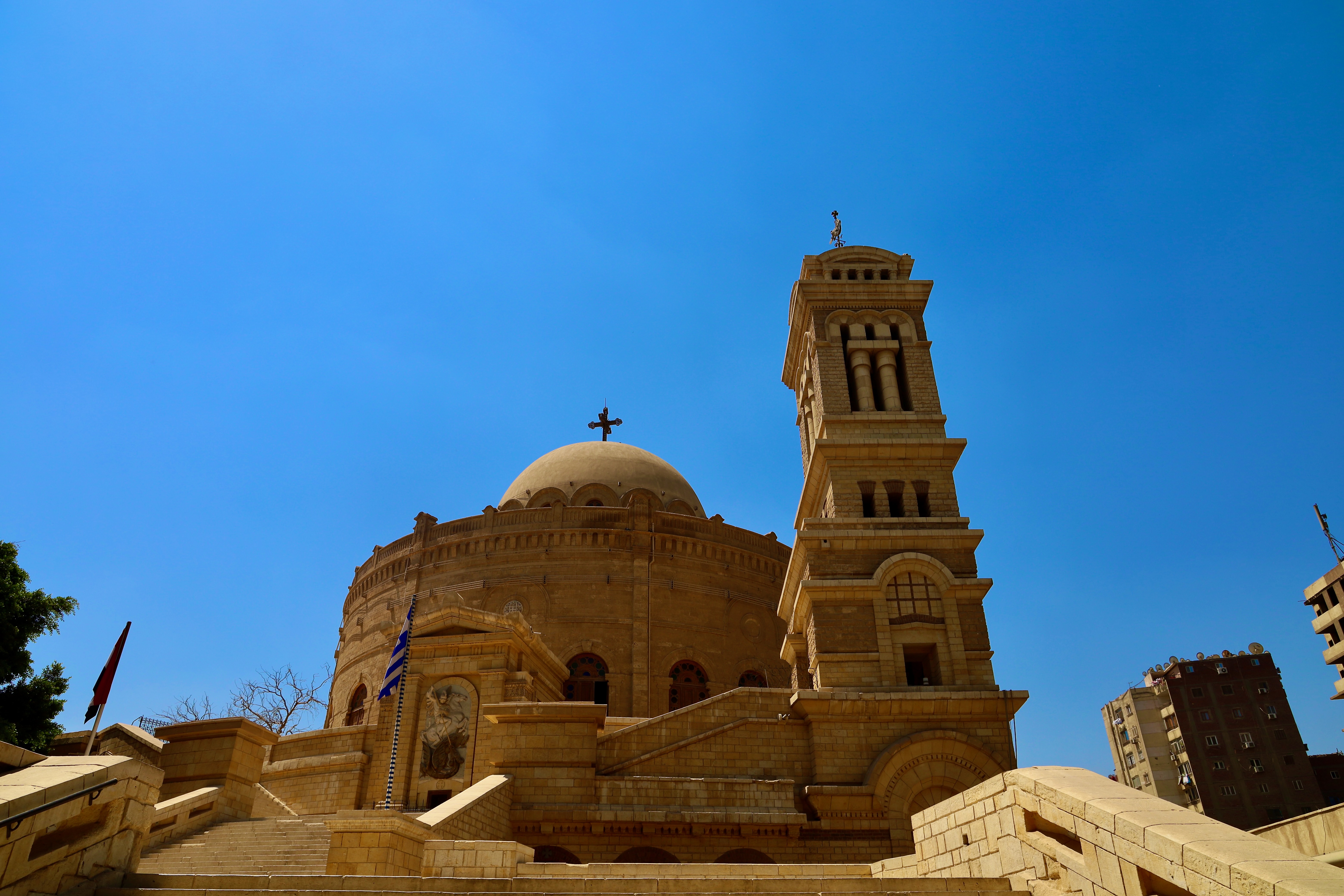
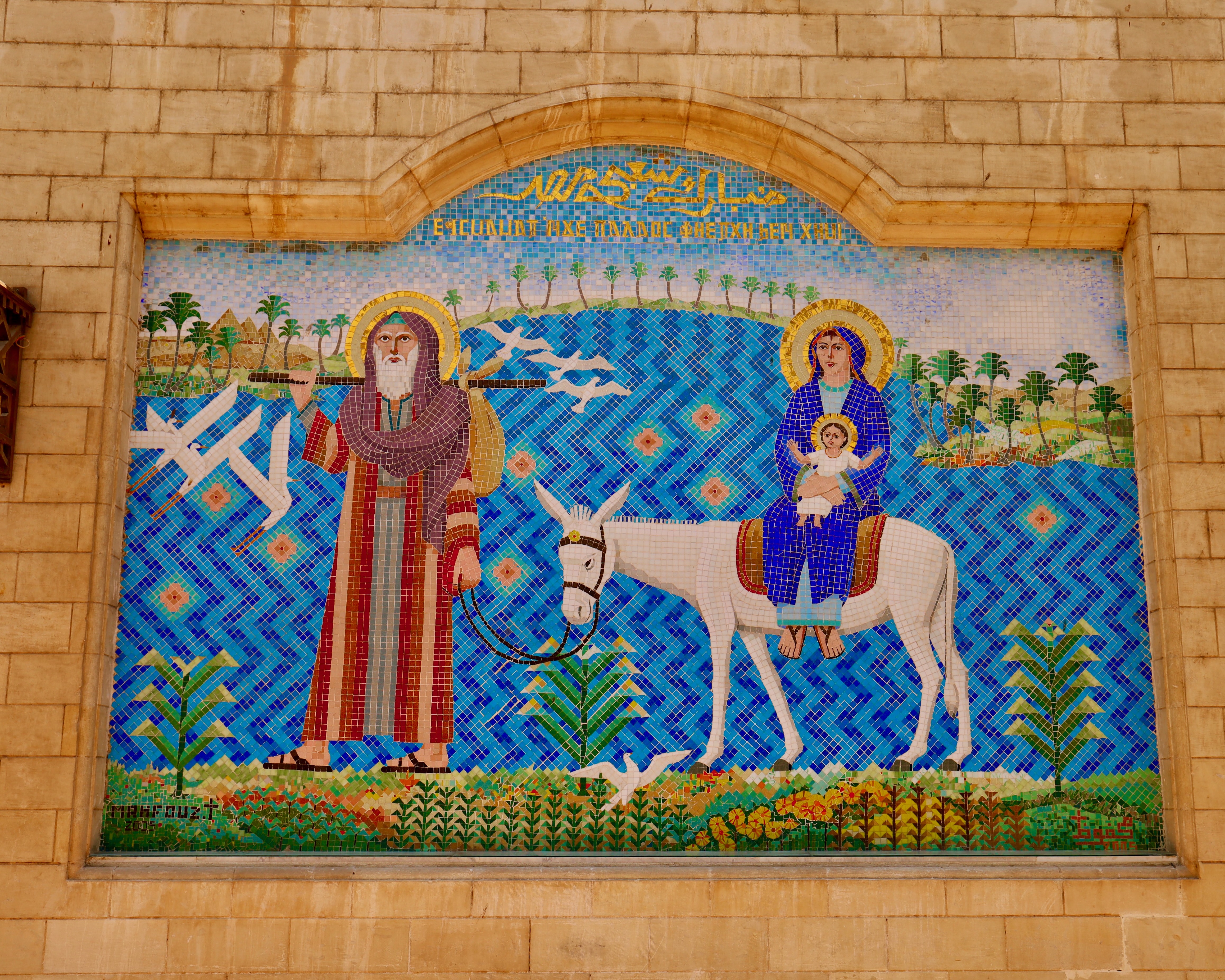
The final place I visited in Cairo was the Coptic Christian Area. Coptic Cairo is home to a number of old Coptic churches, such as the Greek Church of St. George and the famous Hanging Church. The area is also home to the Coptic Museum, adjacent to the ruins of the Roman Babylon Fortress. The museum houses many of the most famous Coptic artworks, and in my opinion, is certainly worth a visit. I can’t say I’ve ever had a desire to see Coptic Christian treasures, nevertheless, this was probably the most positively surprising place I visited in Cairo. The museum itself is excellent, and I wish I could have spent longer there. Additionally, I really enjoyed the area in general. Coptic Cairo, in comparison with the rest of the city, is very calm and quiet. It’s perhaps the only place I was happy and relaxed walking around alone. It’s not only a beautiful area with a complex interesting history, but also in my opinion was the most pleasant area in Cairo to be in.
This, therefore, leads me to what in Cairo I disliked. I’ll try and keep this as brief as I can since I really would recommend people to see many of the attractions the city has to offer. However, the streets of Cairo in the area I stayed, downtown, in and around Tahrir Square are perhaps the most uncomfortable I have ever felt in a city. The constant flow of people trying to sell things to me, or trick me into their shop is frustrating. The number of times people told me to come to their shop “so they could give me their business card” was endless. They also do not go away when I’ve made it clear I do not want to engage nor buy anything, resulting in me feeling like I’ve somehow got various salesmen physically attached to me. This attention just simply made me dread leaving the hostel in which I was staying in, so much so that I ended up ordering food to be delivered, not wanting to leave the hostel.
The culture of bribing and “tipping” was also slightly uncomfortable to me. I’m well aware that different cultures function differently, and in certain scenarios, these small payments would gain tangible advantages. Nevertheless in other scenarios, I felt deeply uncomfortable. The clear expectation of “tips” within Mosques I found a little wrong, however, this does not compete with the airport. When I was leaving Egypt through Cairo International Airport, the man controlling security after I had placed my bags on the scanner put his hand out towards me, already with several US Dollars in, clearly expecting a “tip” before I passed through my scanner. I obliged, as I had done numerous times before in Cairo, however, this incident left me a little perplexed. The fact that this was being done at airport security left me a little uneasy.
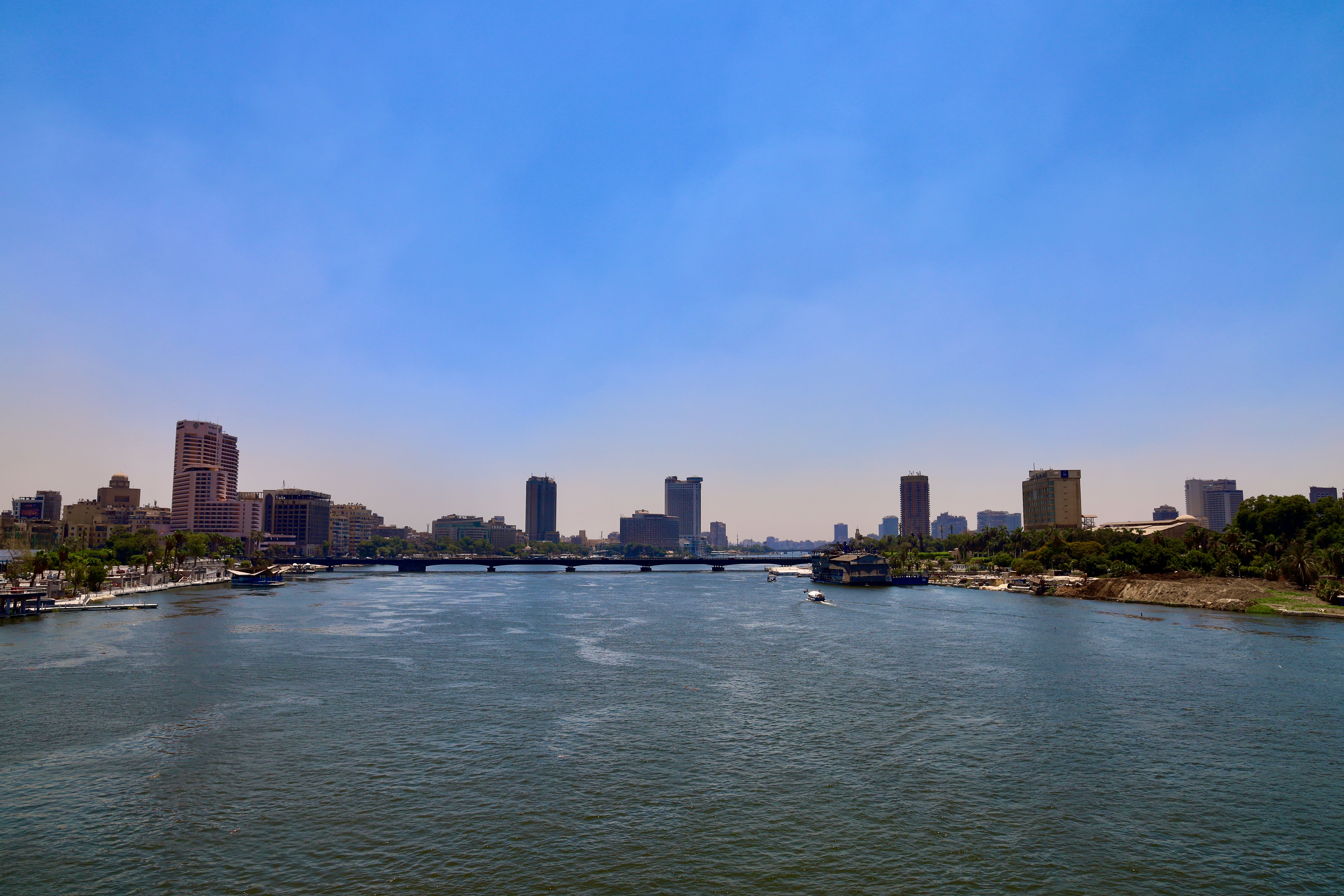
Despite its significant flaws, Cairo has a lot to offer. The history of the city is almost unmatched globally in both scale and age. Rarely do I advocate for doing arranged tours, as my name indicates I like to wander around. However, Cairo is simply not the place for this. Find a tour guide, preferably private, who will show you the key sights of the city, explain its history and plant the seed of intrigue. They will drive you around the crazy city streets while you relax, and you will avoid the uncomfortableness of walking around alone, all in all, it will be a much more enjoyable experience.
Accommodation
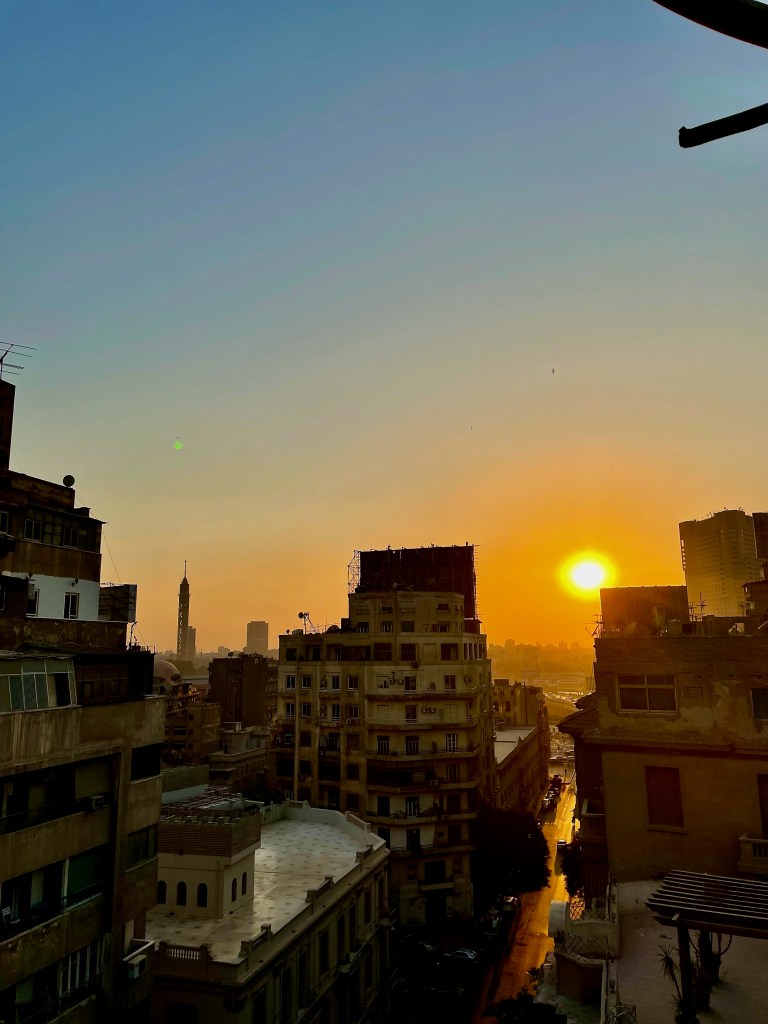
I stayed at Dahab Hostel, very close to Tahrir Square and the Egyptian Museum. For the price, the hostel has everything you would need as well as a great terrace and lots of cats and kittens. The hostel will also help you organise tours for your stay in Cairo which was greatly appreciated and I really enjoyed. They also arranged airport transfers for me.

Things to Do
Giza Pyramids
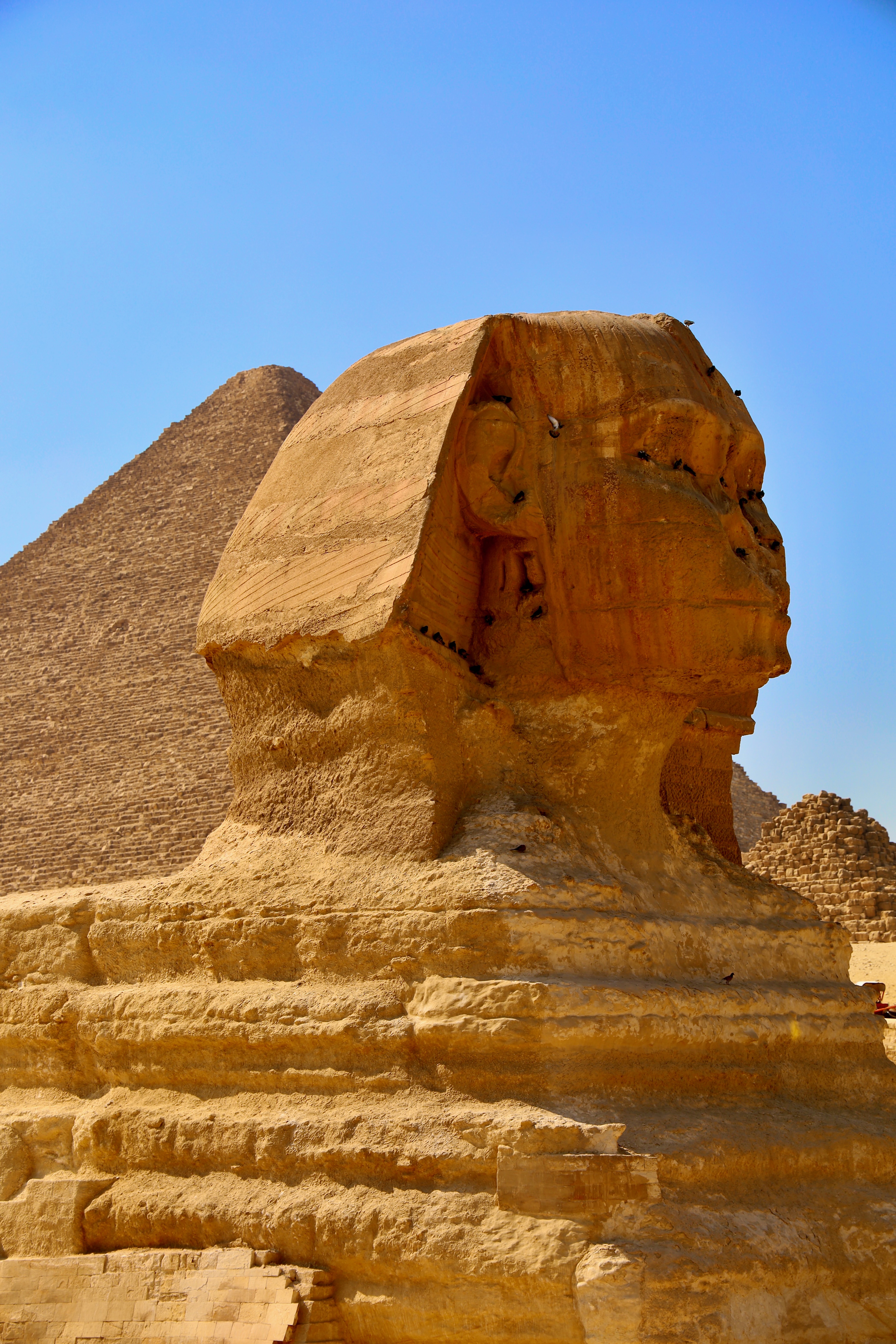
A 5000-year-old world wonder and really worth seeing along with the nearby Sphinx.
Sakkara and Dahshur
The non-Giza Pyramids are in my opinion in many ways better. The sites were far less busy and the ability to climb around inside the Pyramids in special.
Coptic Cairo
Probably my favourite area of the city. Calming and beautiful. Simply different from everything else Cairo has to offer.
The Egyptian Museum
Simply a treasure trove of Egypt’s history.
Salah al-Din Square
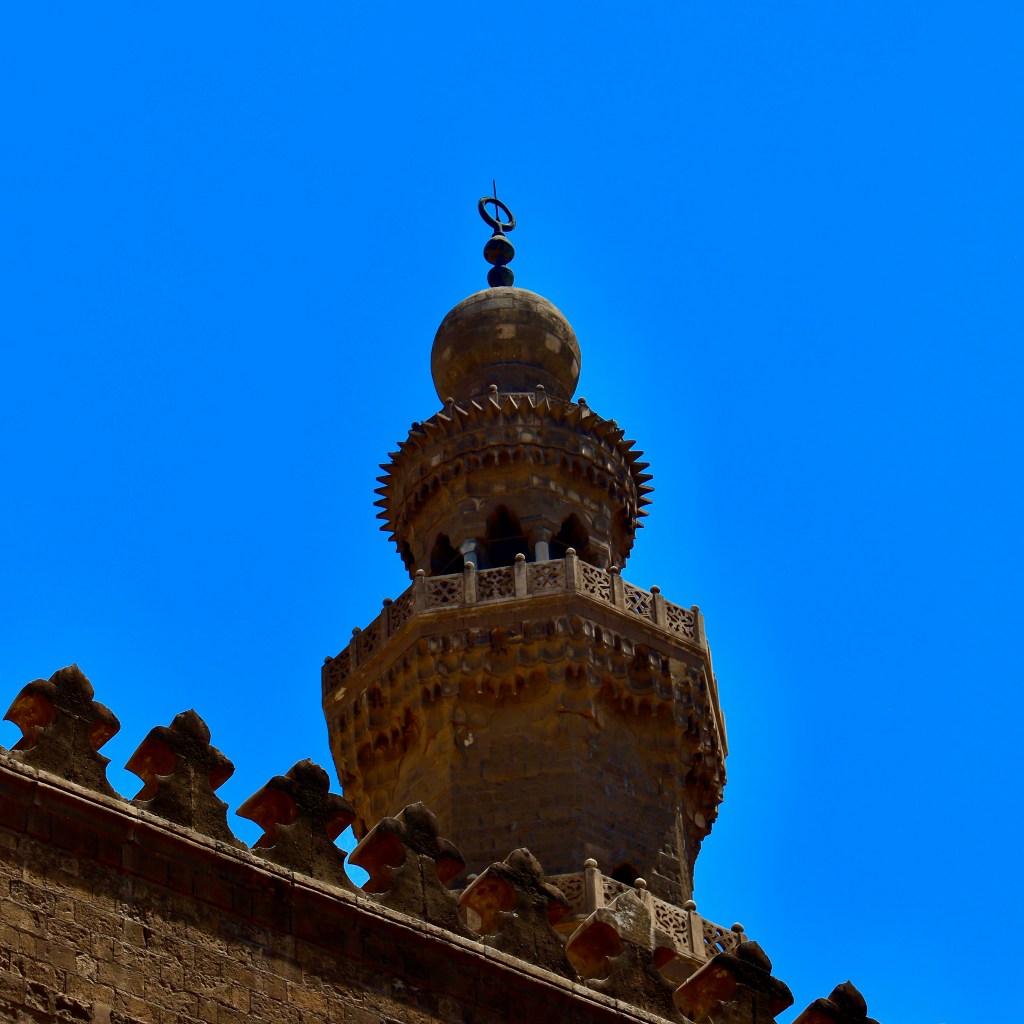
The vast, beautiful mosques are a site to behold and definitely worth a visit. The details, particularly on the minarets are incredible.


Leave a Reply