
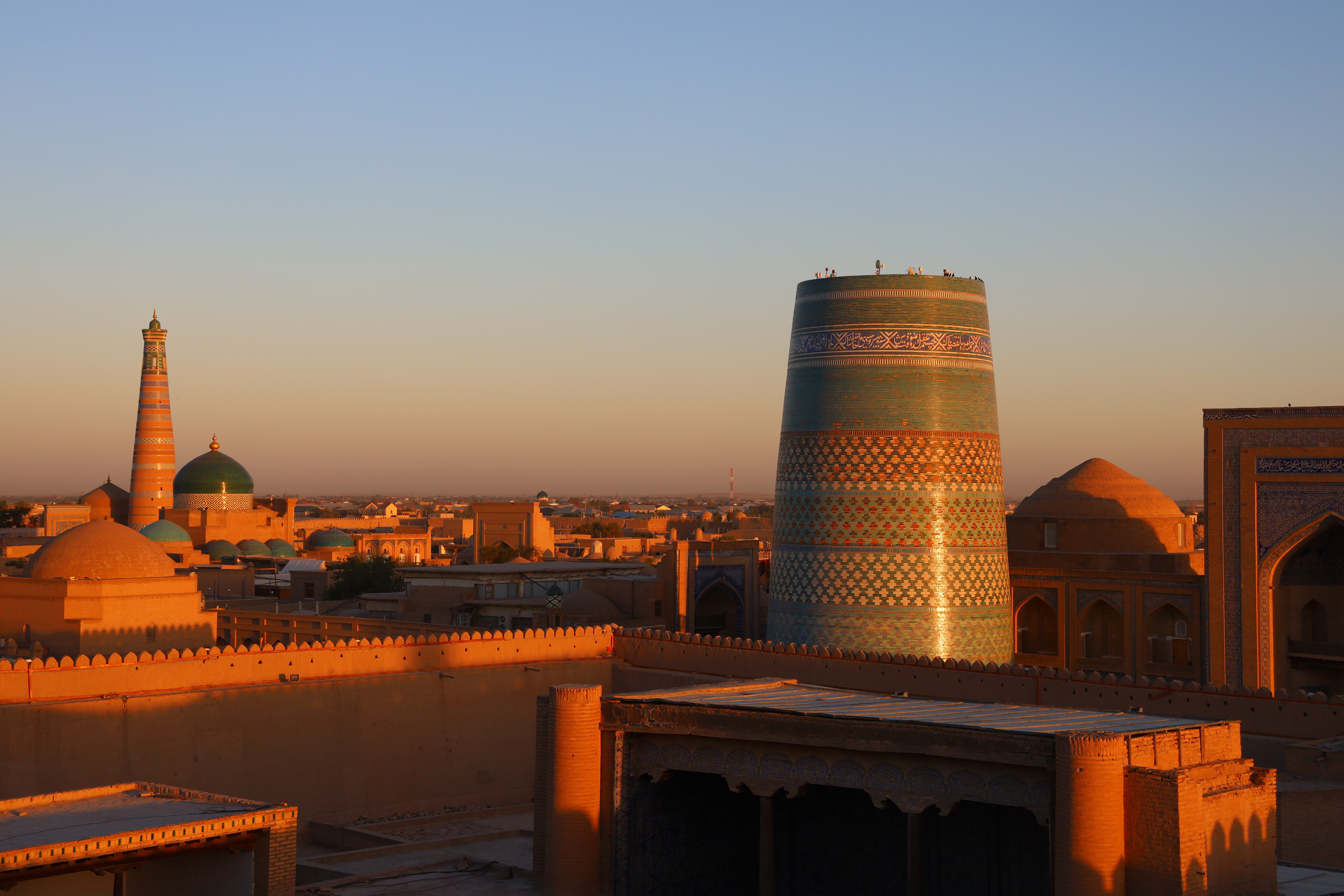
Initially, I was not going to write a blog about Khiva. As the smallest of Uzbekistan’s Silk Road Towns, I planned to group it together with Bukhara and Samarkand in a big piece about the historic centres of the country. However, having spent the last few days in Khiva, I think it is deserving of a little blog of its own. From the journey to the beauty of the city itself, to the little interactions you can have with locals.
I was originally due to visit Khiva directly after having visited Nukus and the Aral Sea. However, as I mentioned in my last blog, due to the political situation this has not been possible. Therefore I had to find a way to get from Tashkent directly to Khiva. My first plan was to fly to the nearby city of Urgench, however, for some reason, I still can’t fathom I couldn’t find any flights. So Plan B – the 14-hour and 20-minute night train from Khiva to Tashkent. I would very much describe this journey as an “experience”, something I can talk about yet not something I fancy repeating. This Soviet Train did in fairness peak my interest, only to decide sometimes Soviet is not best. The toilets lacked running water, my bags are now covered in a thick cover of dust, the lack of aircon, and worse still the fumes of the diesel train flowing right into the window of my cabin for the entire 14 hours. I got off the train covered in some black substance, with fingers smelling of some metallic substance. However, around 15 minutes from arrival the famous minarets of Khiva came into view out of my murky black window, it was at this point I knew I’d made the right decision to go through this ordeal to see this famous town.
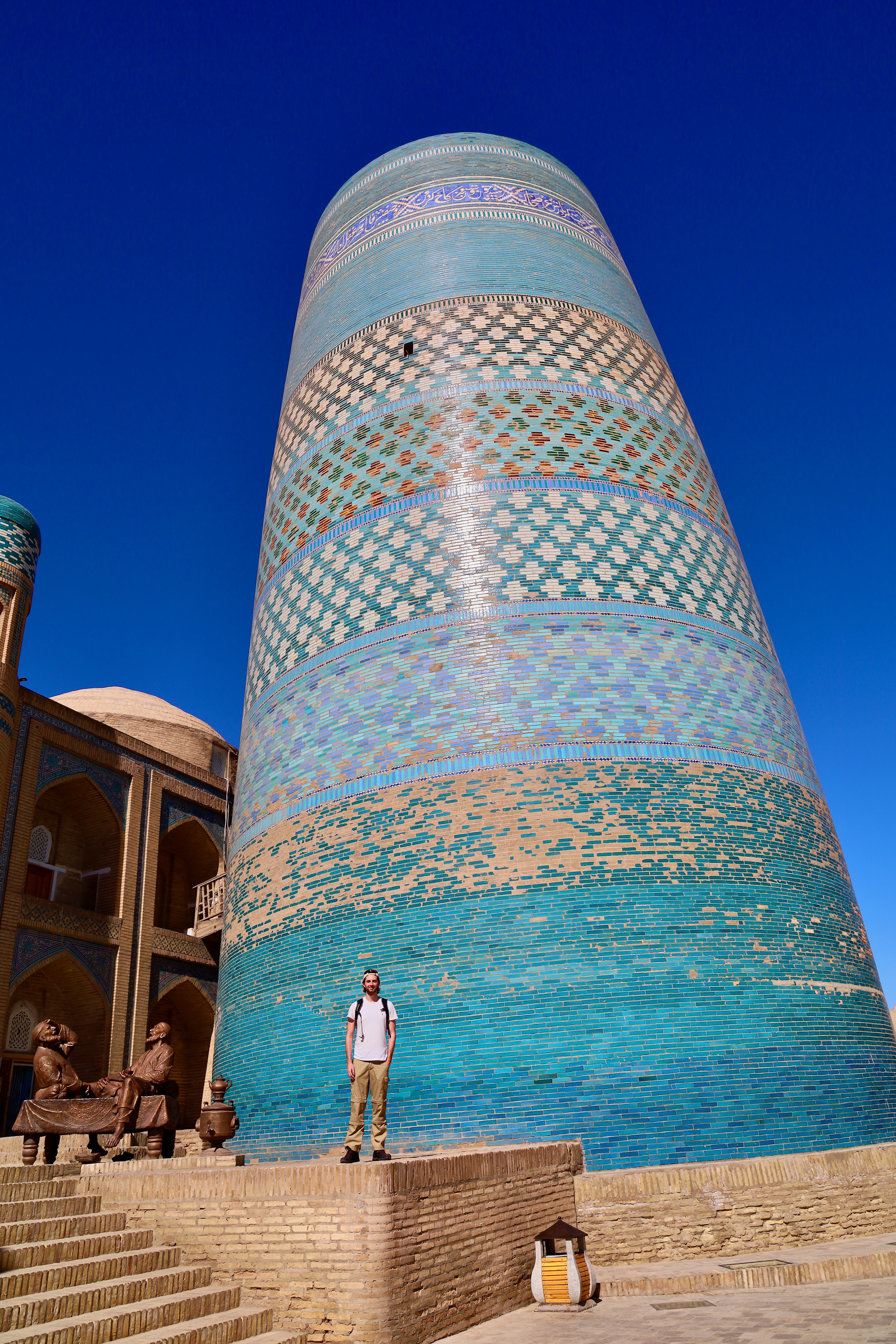
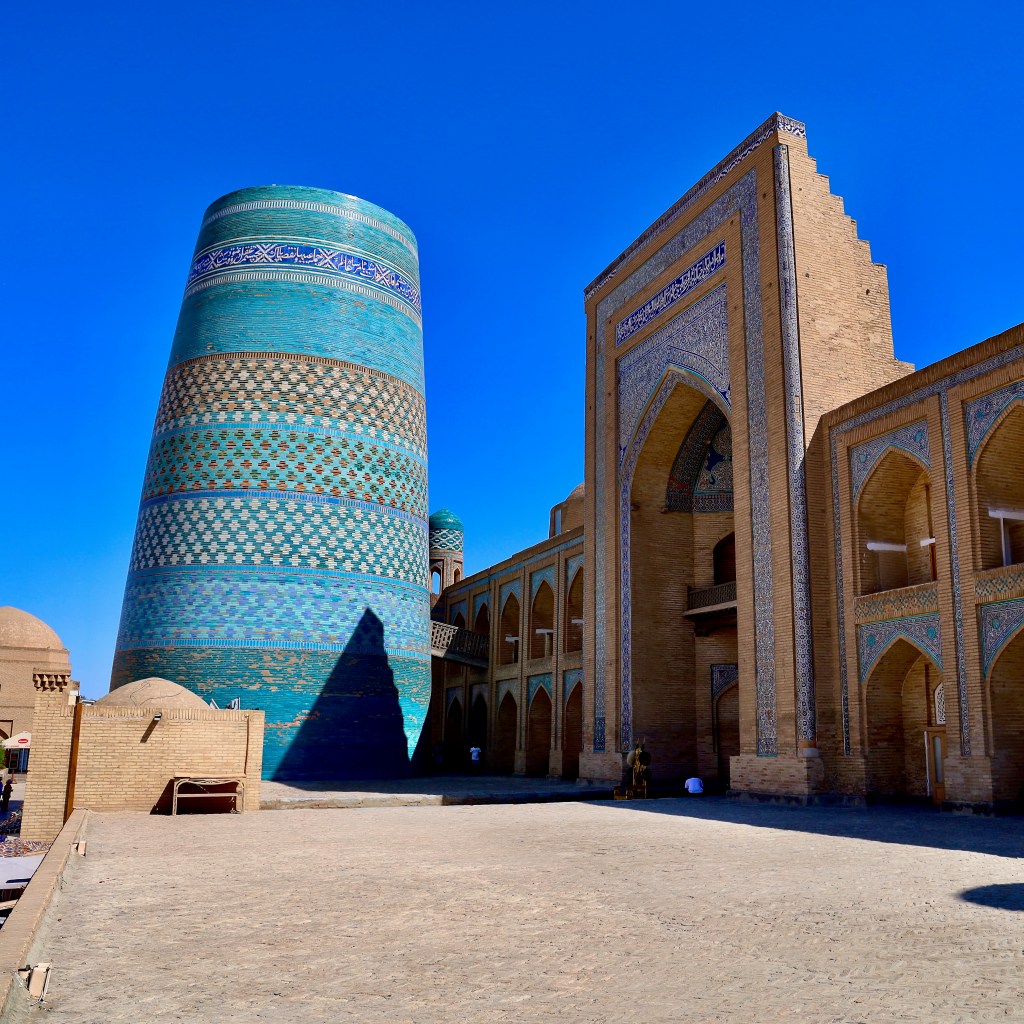
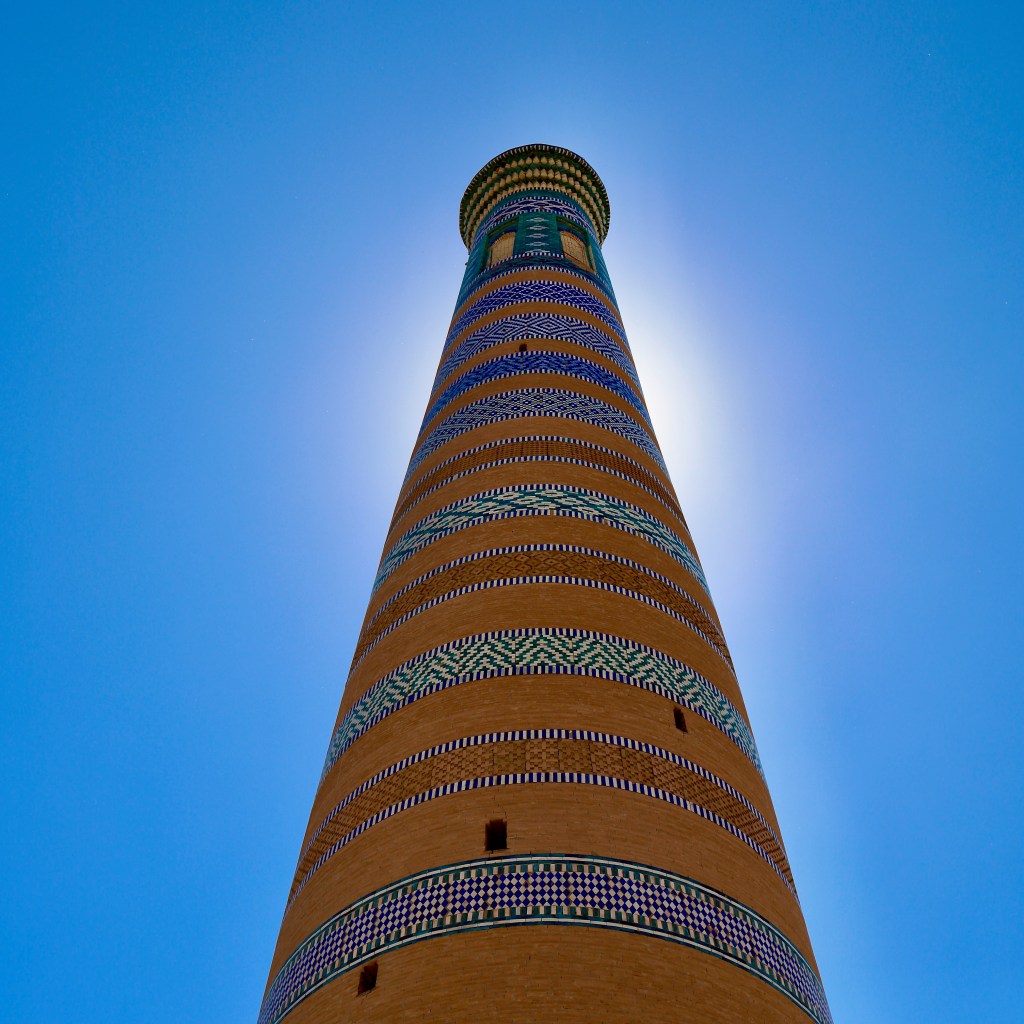
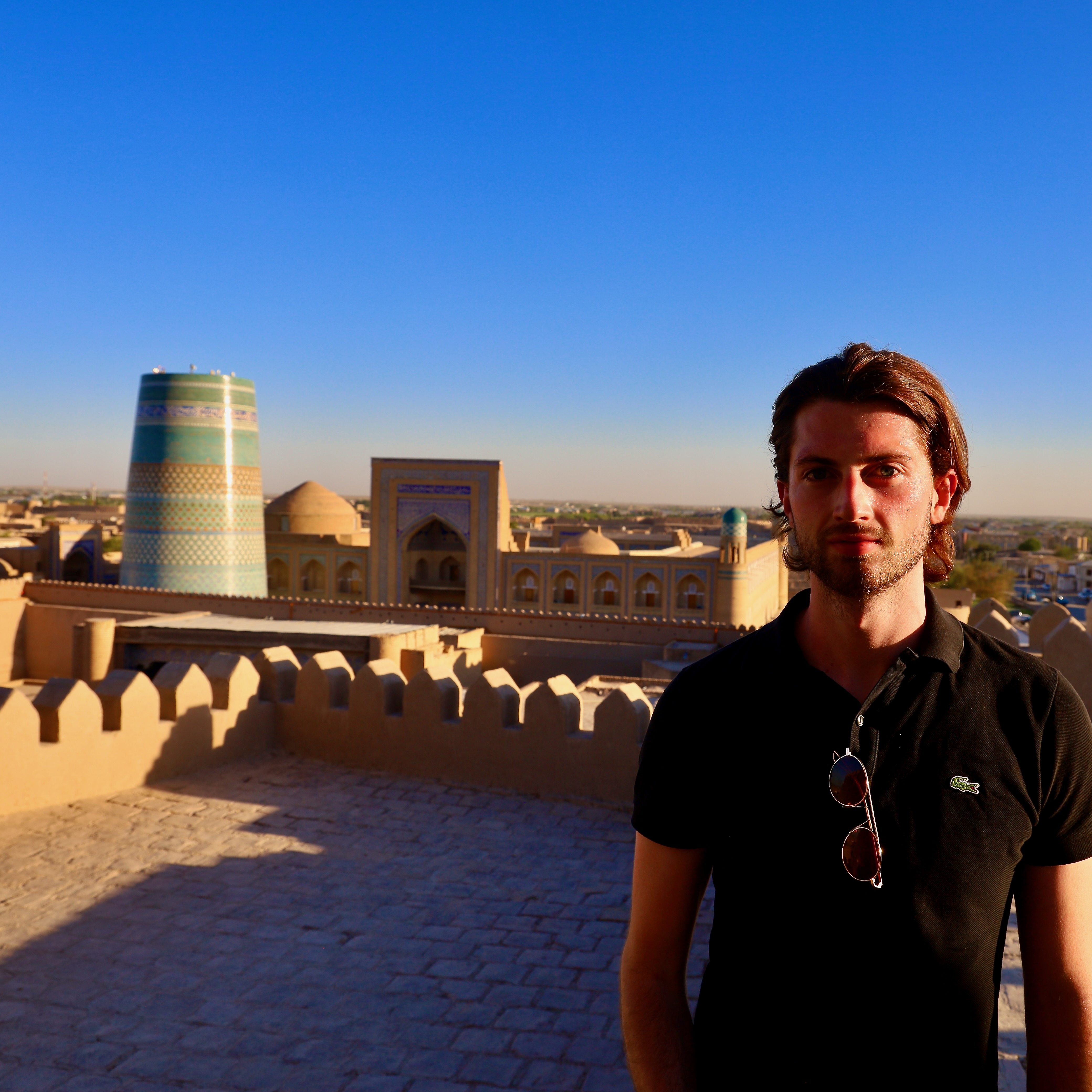
Having taken my pick at the many willing taxi drivers and arrived at my hotel, about a two-minute walk from the famous thick blue-tiled Kalta-Minor Minaret, I refreshed myself and then set out on my first wander around the town. The majority of the architecture in Khiva is built from the early 18th century until the early 20th century during the years when the city was the capital of the Khiva Khanate. Although the symbol of Khiva has very much become the Kalta-Minor Minaret, I prefer the tallest minaret in the city, the Minaret of Islam-Khodja, finished in the early twentieth century. It is 45m tall and beautifully decorated minaret with a smattering blue tiles, and for me is the most beautiful attraction of the city.
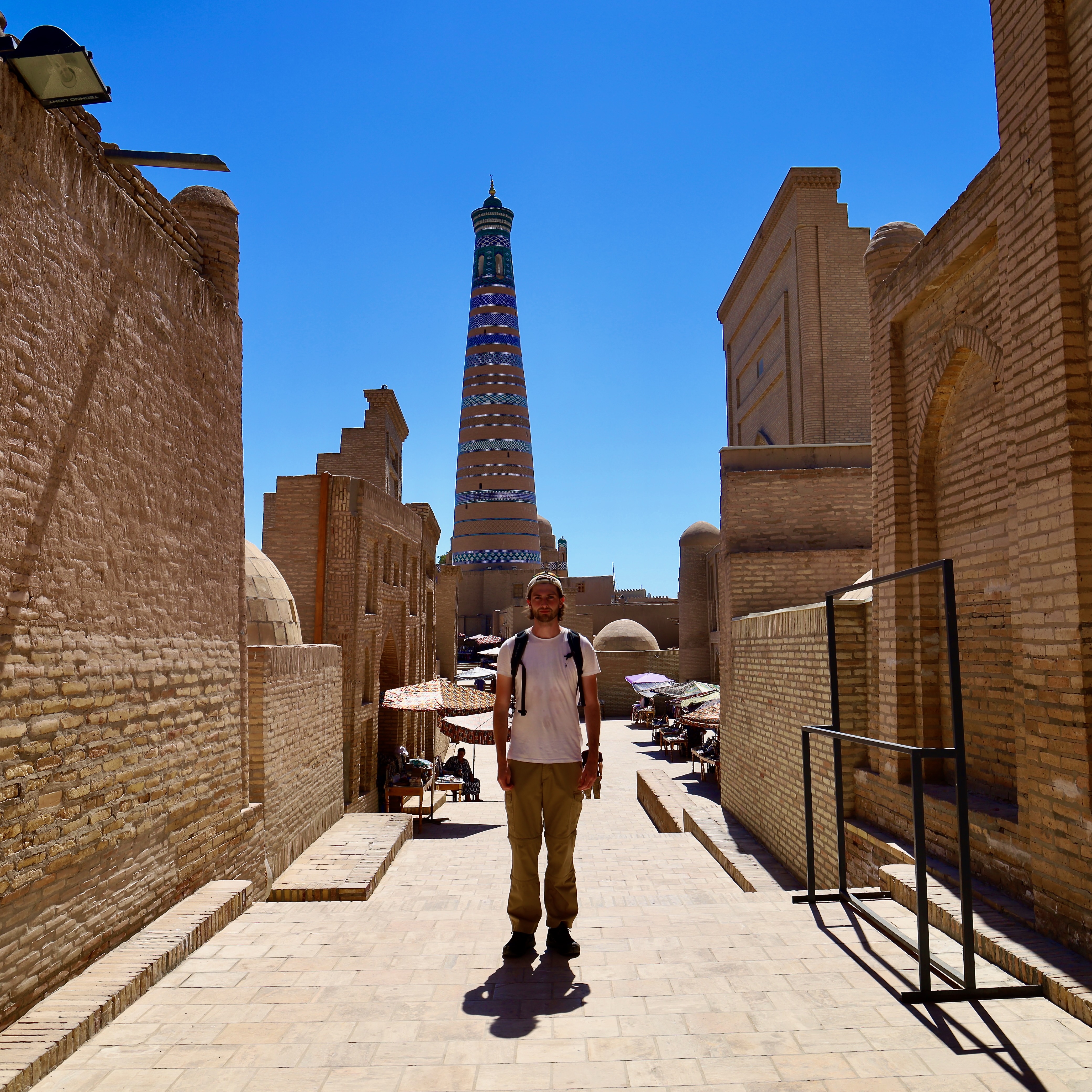
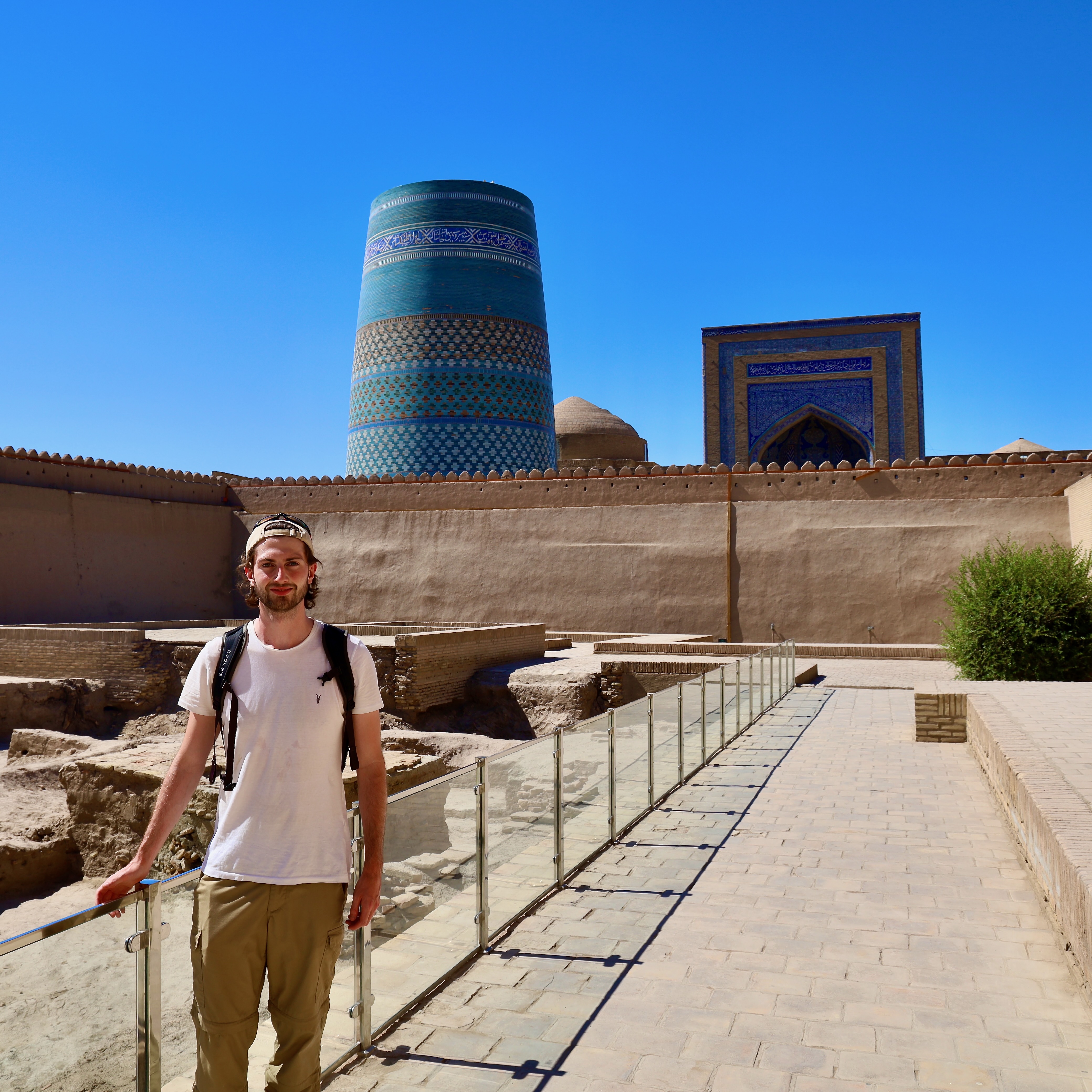
The town is covered in different madrasas, whose facades appear around every corner in the walled old town, known as Itchan Kala. The tilled blue geometric patterns which cover the majority of the main madrasas constantly draw your attention, noticing different elements every time you walk by. Unlike the significant Persian Shiite influence on the mosaics in Bukhara and Samarkand, mosaics in Khiva lack any imagery of animals or humans. Therefore no birds, tigers and the like can be found in Khiva. This gives Khiva a certain distinct feel, a feel that you are in an entirely different place. Once you step foot in Khiva, the culture feels different, much of the art, culture, fashion and food are much more what I would associate with Turkmenistan. This is of course no surprise given Khiva’s proximity to the Turkmen-Uzbek border, perhaps only 10km away, and given that large swaths of the old Khiva Khanate covered ground that is now in the modern state of Turkmenistan.
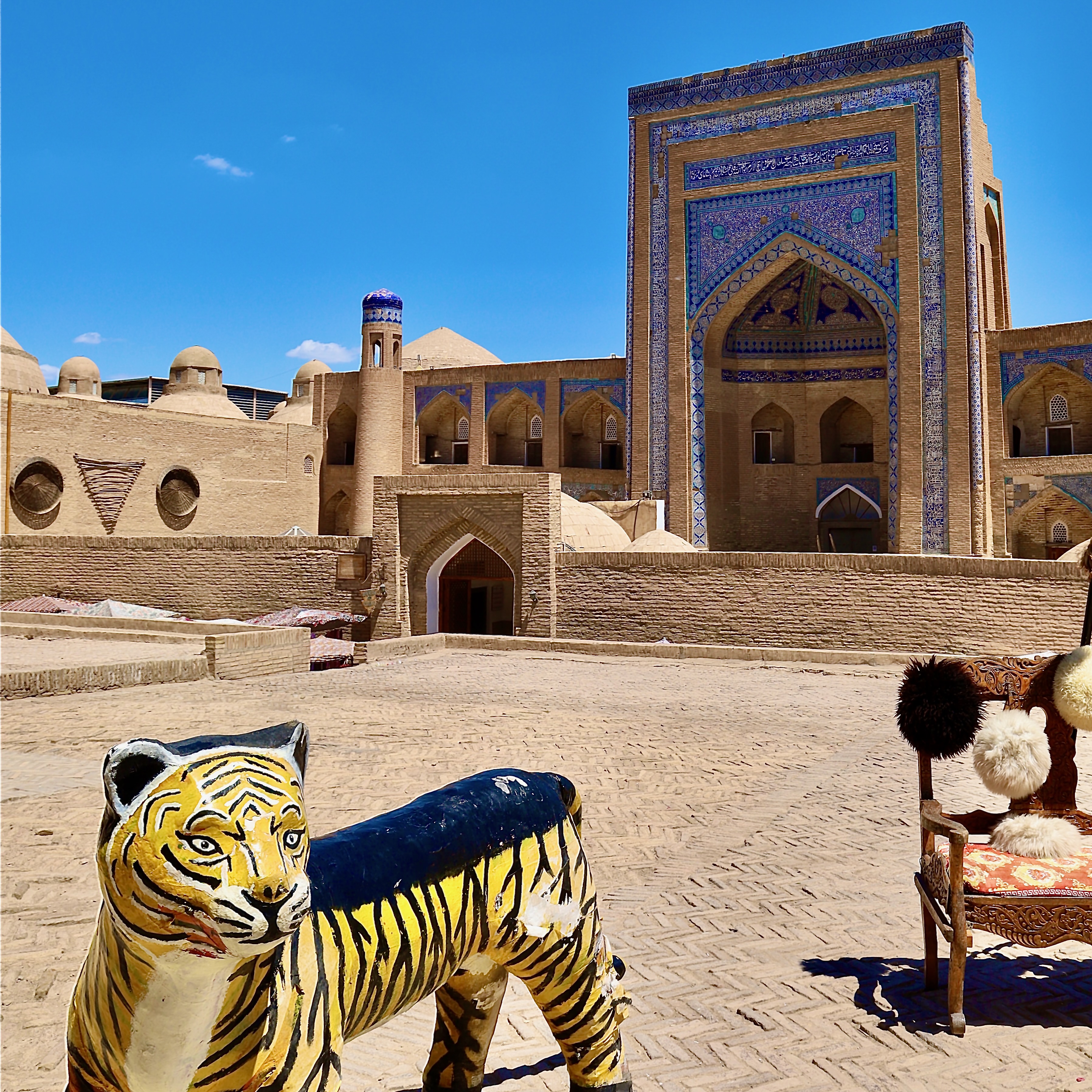
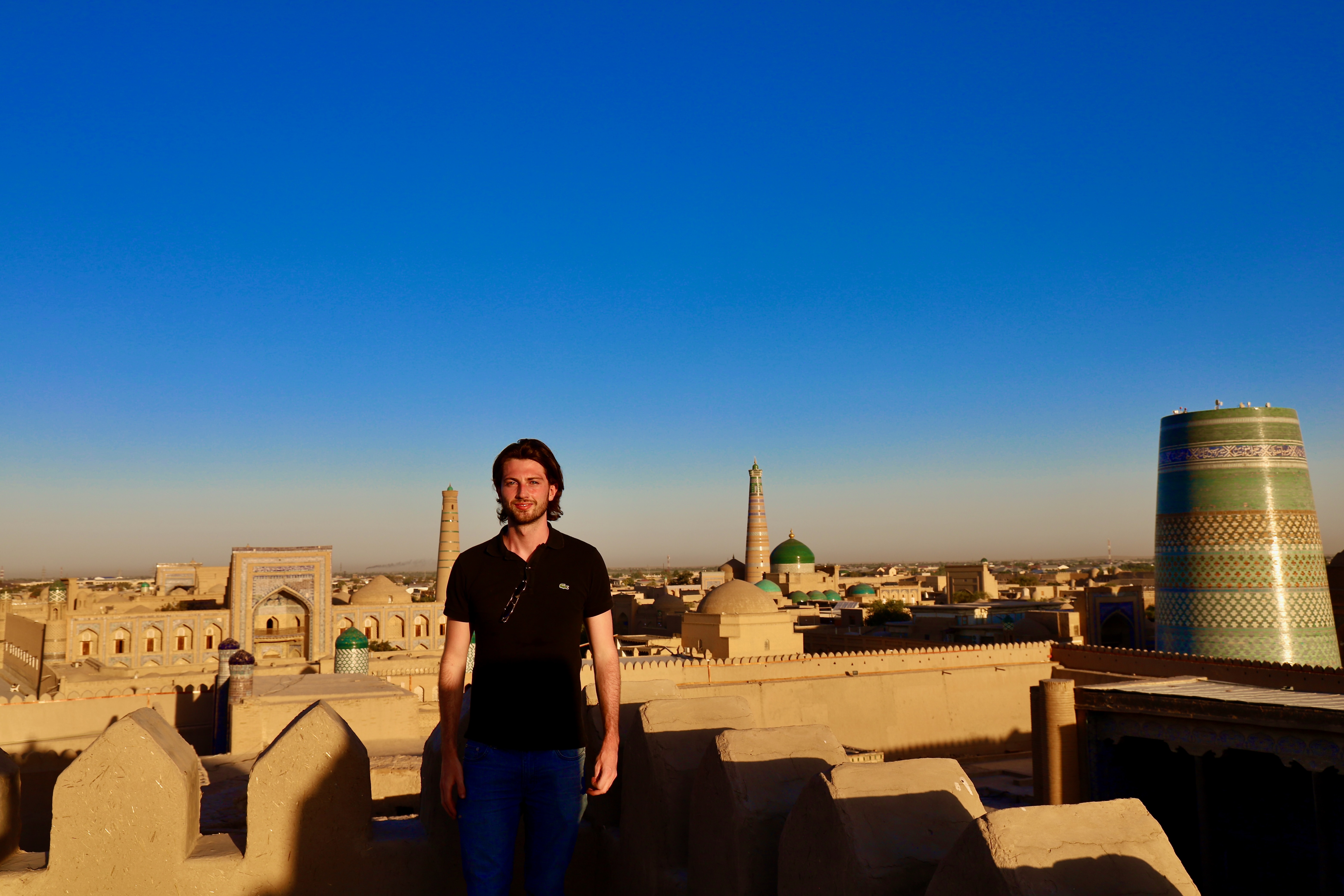
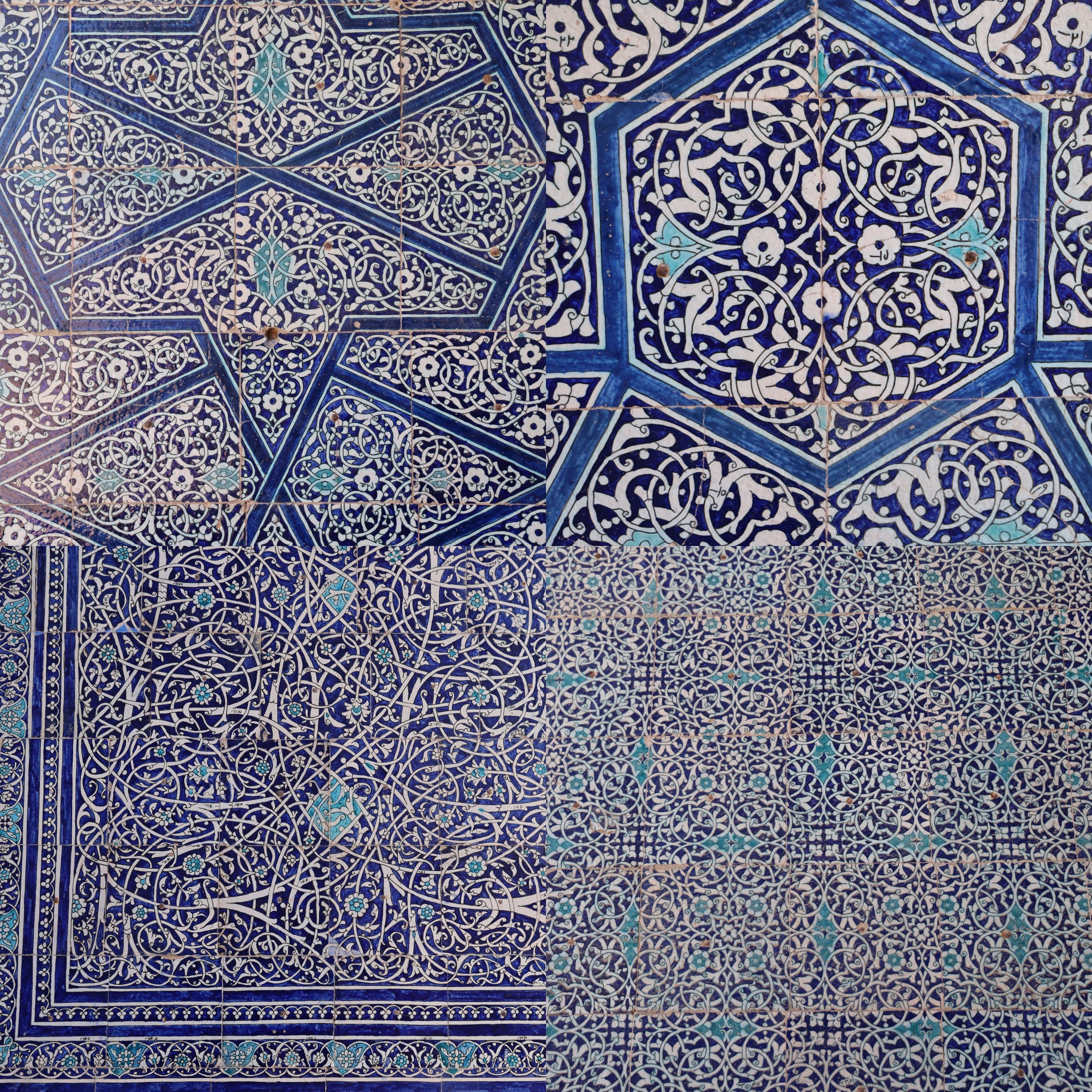
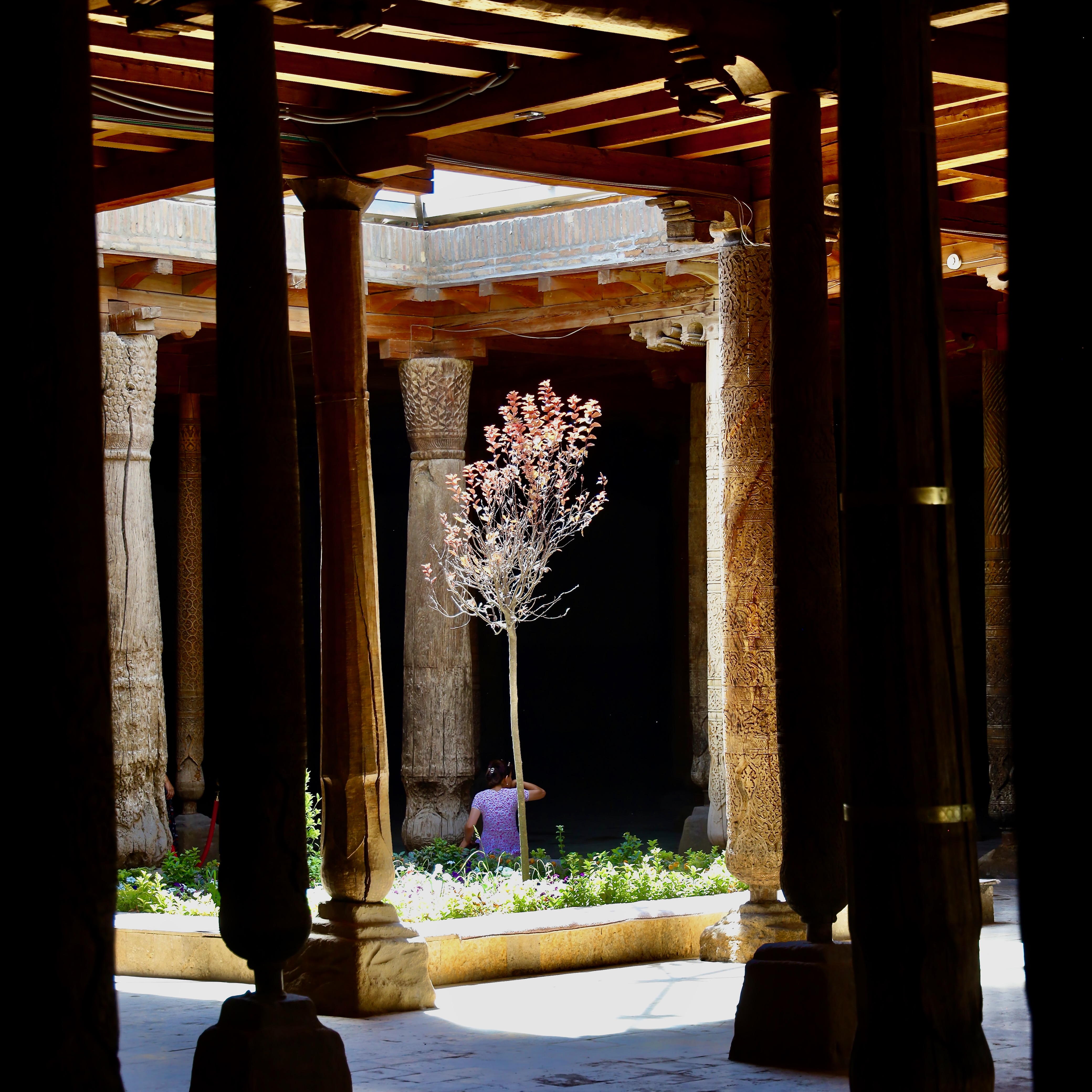
Perhaps Khiva’s biggest negative in comparison with the other historic towns of Uzbekistan is that much of its spectacular architecture is fairly modern. Whereas in Bukara a few sites from the 10th century remain, in Khiva, this is limited to the old mosque, where three wooden posts stand, which were built in the tenth century. Much of Central Asia was destroyed during the Mongol invasions, including the entire destruction of Khiva due to its fierce resistance to Genghis Khan’s forces. This and subsequent conflicts mean that in comparison with Samarkand and Bukhara, much of the city’s key sights are more modern, limiting my ability to imagine what this place was like 500 years ago. Nevertheless, on the plus side, the city is incredibly well preserved for this reason. The city stands almost identical to its state 100 years ago, when the Khanate fell to Soviet control. For a near untouched example of 18th to 20th-century Islamic architecture, I don’t think there is a better place than Khiva, however, if you want a true feeling of the times earlier than that, Khiva has less to offer.
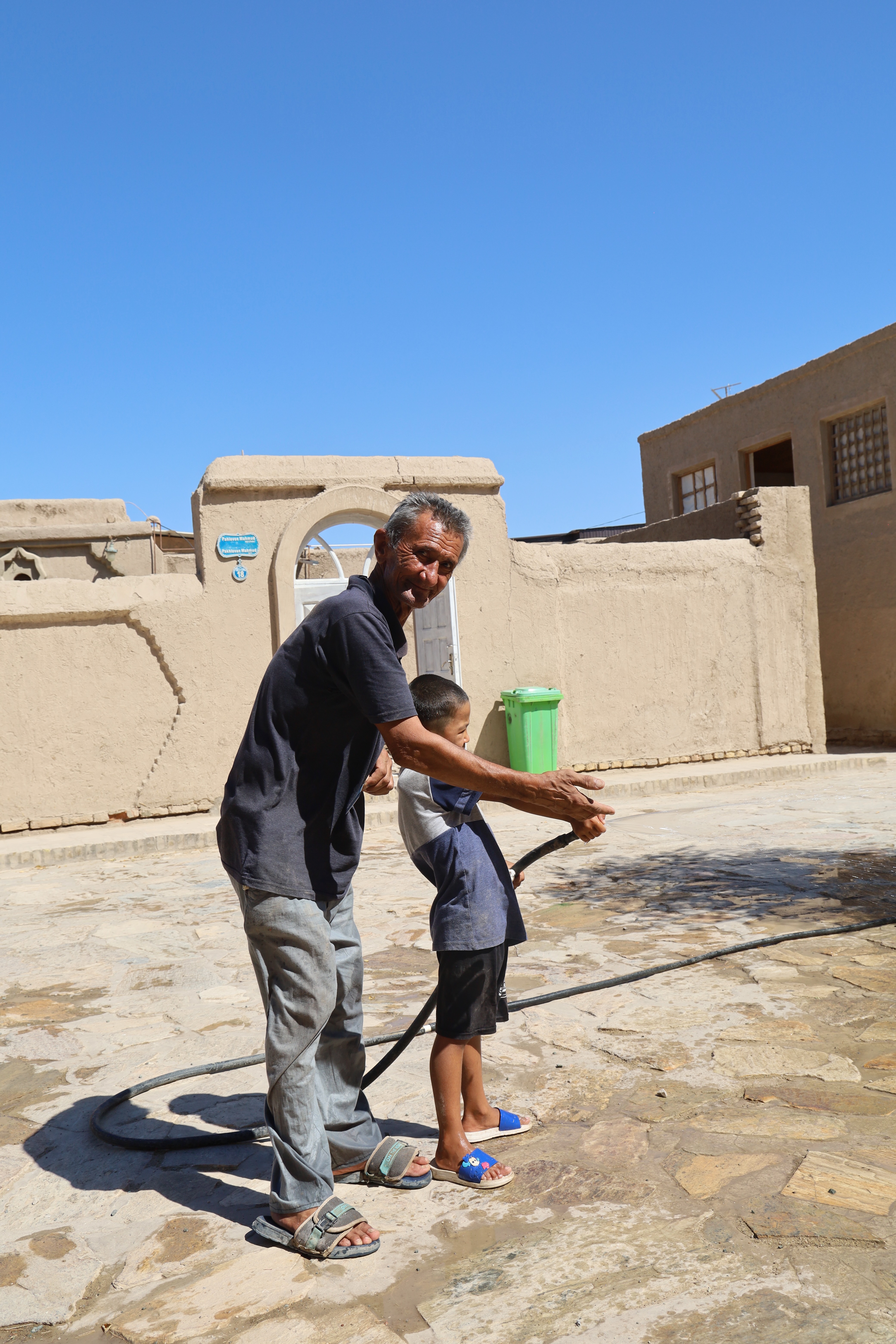
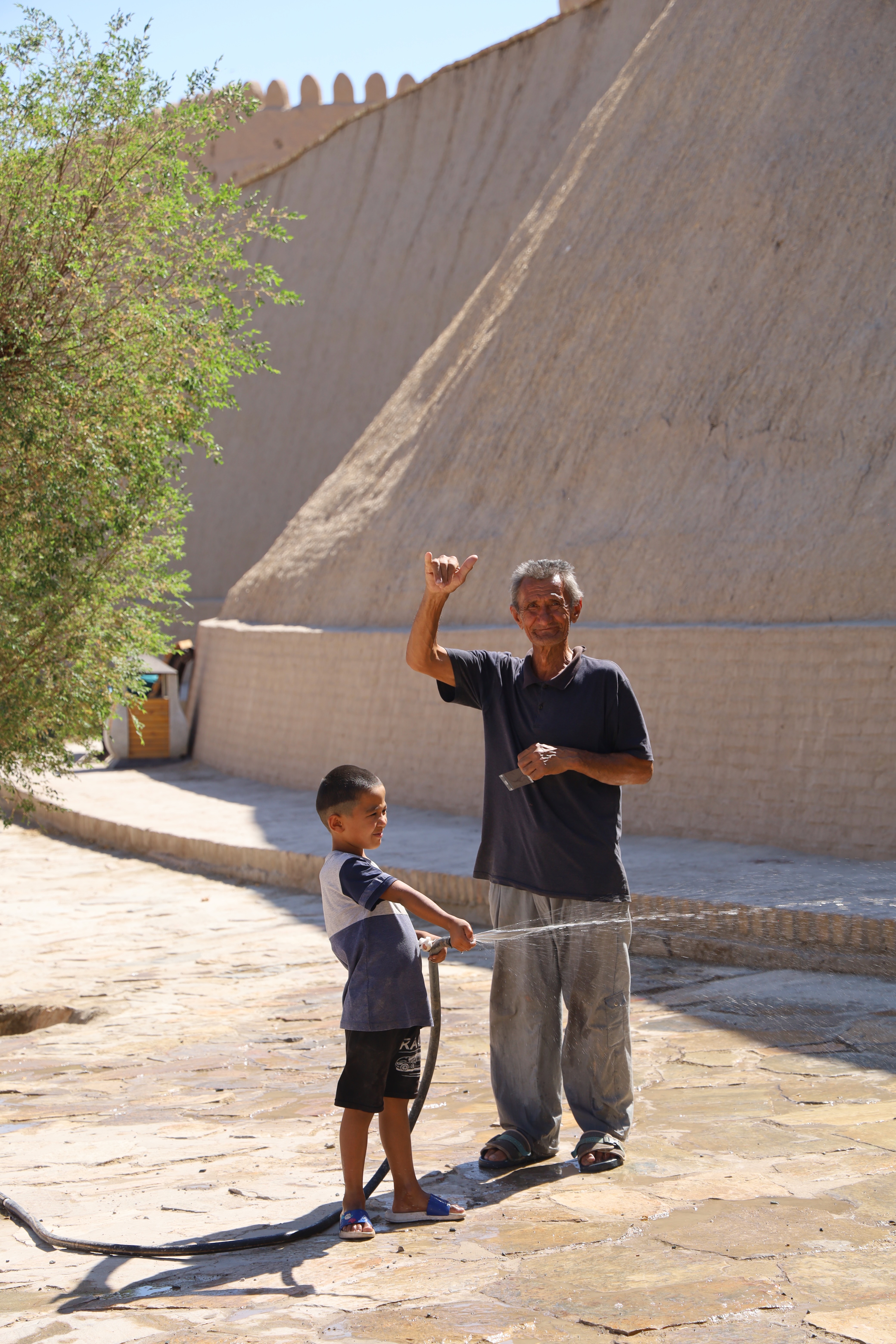
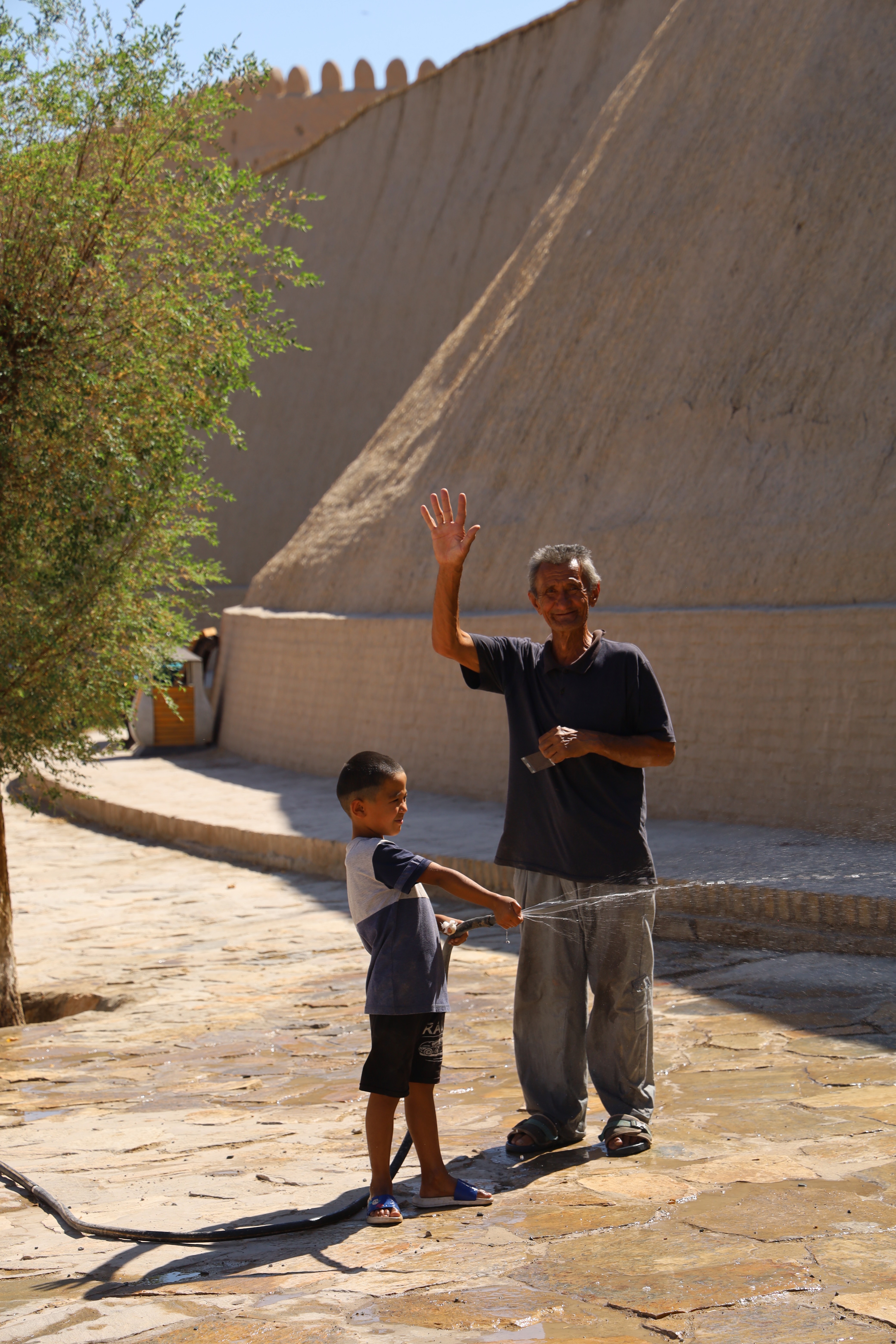
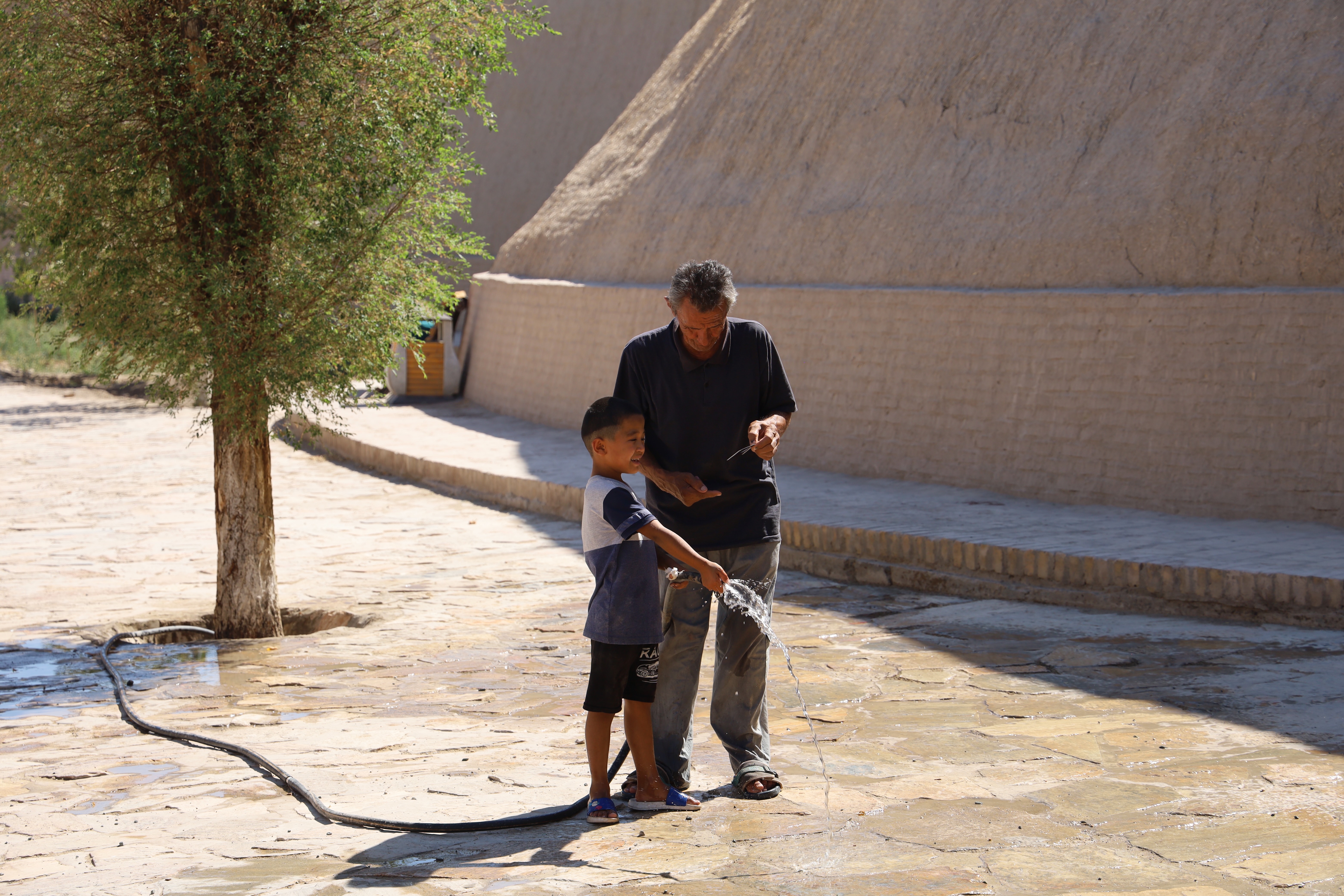
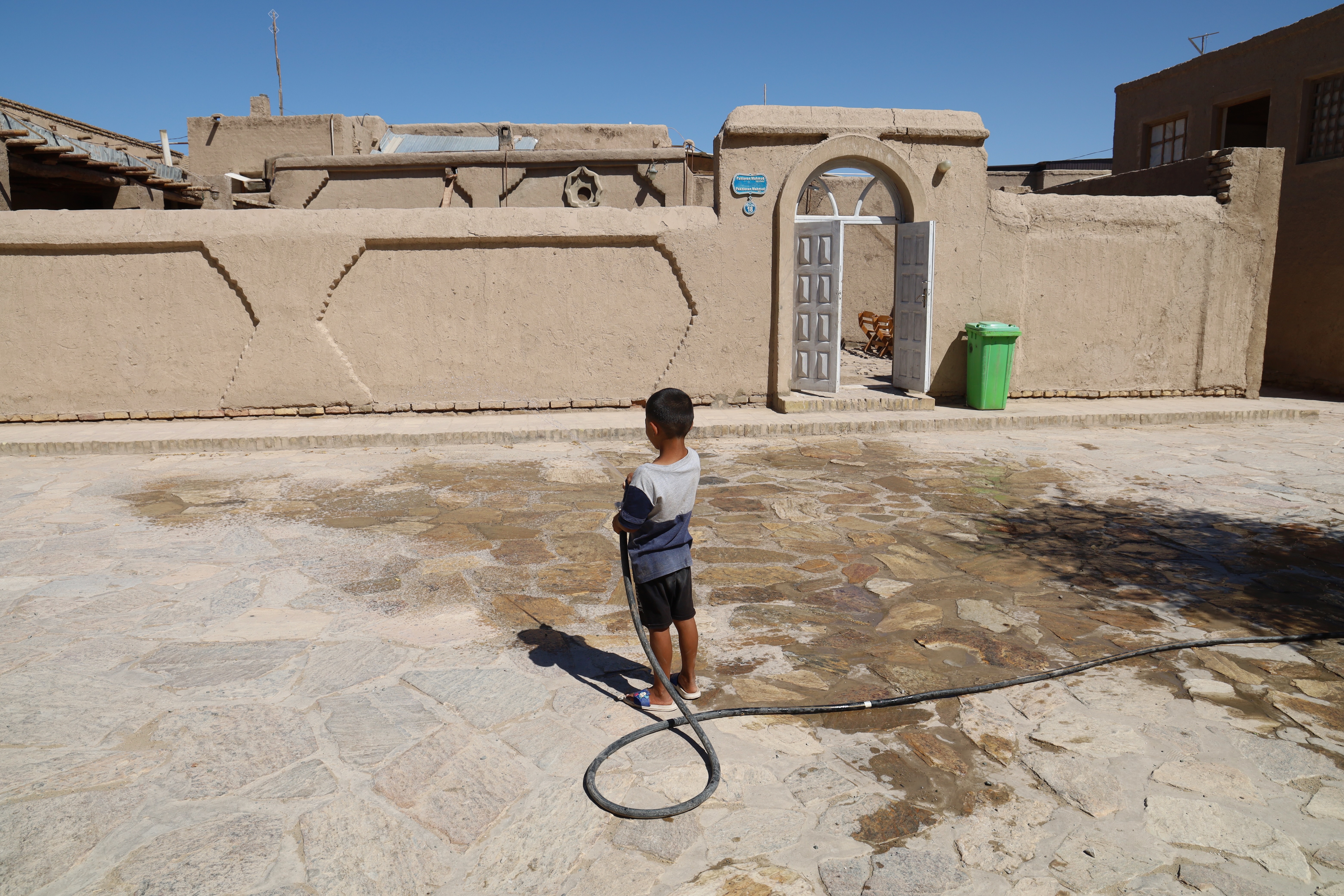
The final thing I wanted to say about Khiva is to leave the central street whenever you get the chance. Of course, the main attractions are all situated on or around this street, but a couple of days in the city is more than enough to see the key sights. Therefore, wander around the residential neighbourhoods of Itchan Kala, and even go outside the walls if you want to momentarily remove yourself from a history overload go and experience how the locals live. Perhaps the highlight of my entire time in Khiva was when I was wandering around the edge of Itchan Kala, just inside the walls, where a young boy and who I presumed to be his grandfather were cleaning and playing with a hosepipe. Both just appeared to be having such a lovely time together. I began speaking with the man in my incredibly broken Russian, he was really interested in why I was visiting Khiva and loved to speak about his grandson. This conversation culminated in me taking a picture of them both on my instant-print film camera and gifting them the photo. The pure intrigue and happiness on both their faces really made my day, and probably my trip to be honest. I’ll always cherish this moment and the photo of them both staring at the photo I gave them. I feel that it is these moments of heartfelt communication with the local people that really make travelling, not photos of minarets or palaces or mountains, it’s the people.
Overall, I’m so glad I decided to make the long trip to Khiva. Khiva really does have its own feel, its own style, and it is meticulously preserved. It feels less touristy than other places, which is always positive, with many of its key sights deserted. More than anything it created a memory I will never forget and will be one of my highlights of travelling forever.
Accommodation
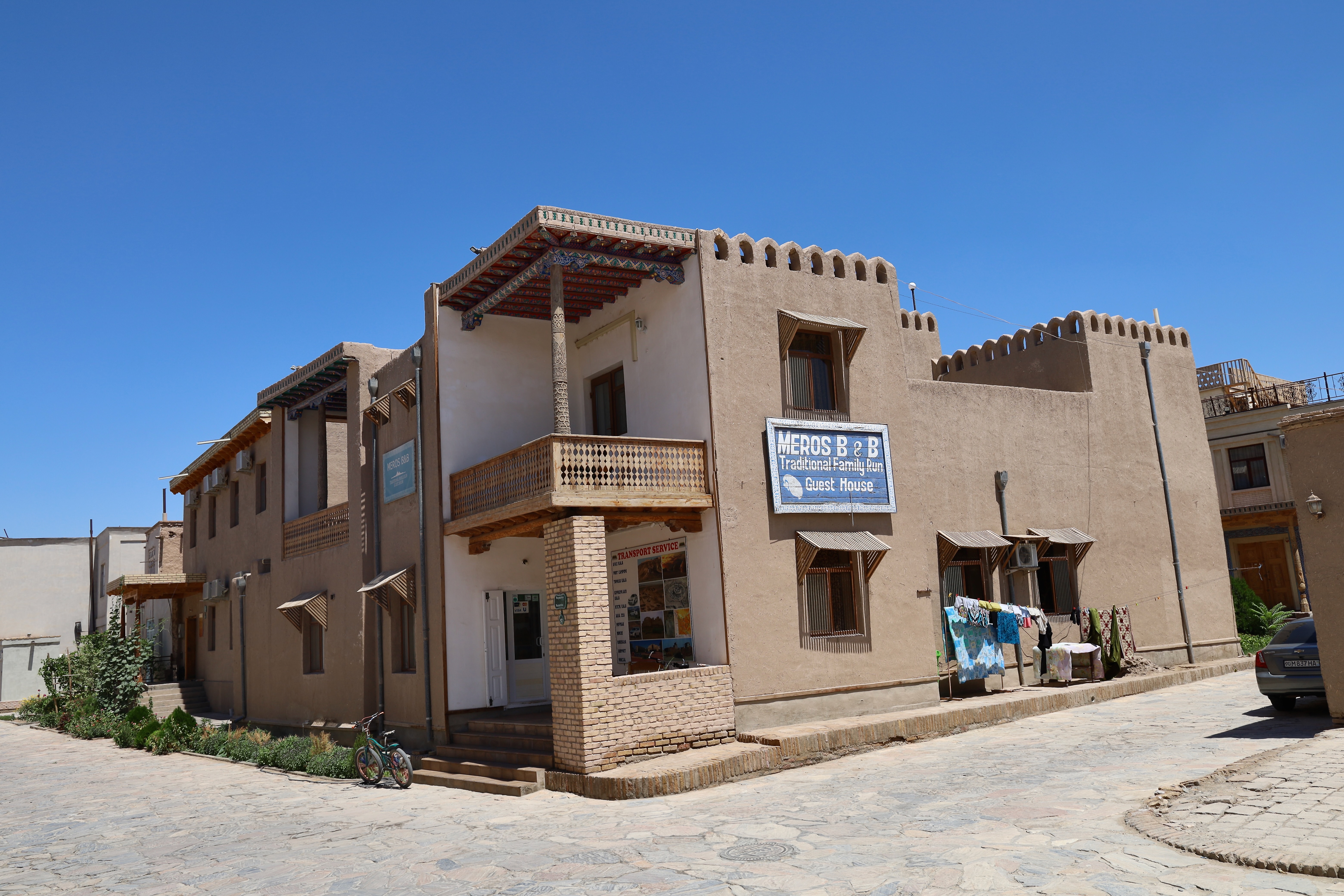
I stayed at Meros B&B in Itchan Kala. The B&B is situated about a minute’s walk from the Kalta-Minor Minaret and right next to the citadel. The roof terrace provides a great view over Itchan Kala and my room was incredibly comfortable with a large balcony. Additionally, the included breakfast was large and tasty and the owners were happy to cook to provide it early as I was leaving on a train early in the morning. They also provide a free transfer to Khiva Train Station which is always appreciated.
Booking.com Link – https://cutt.ly/qLINfnB
Things to do
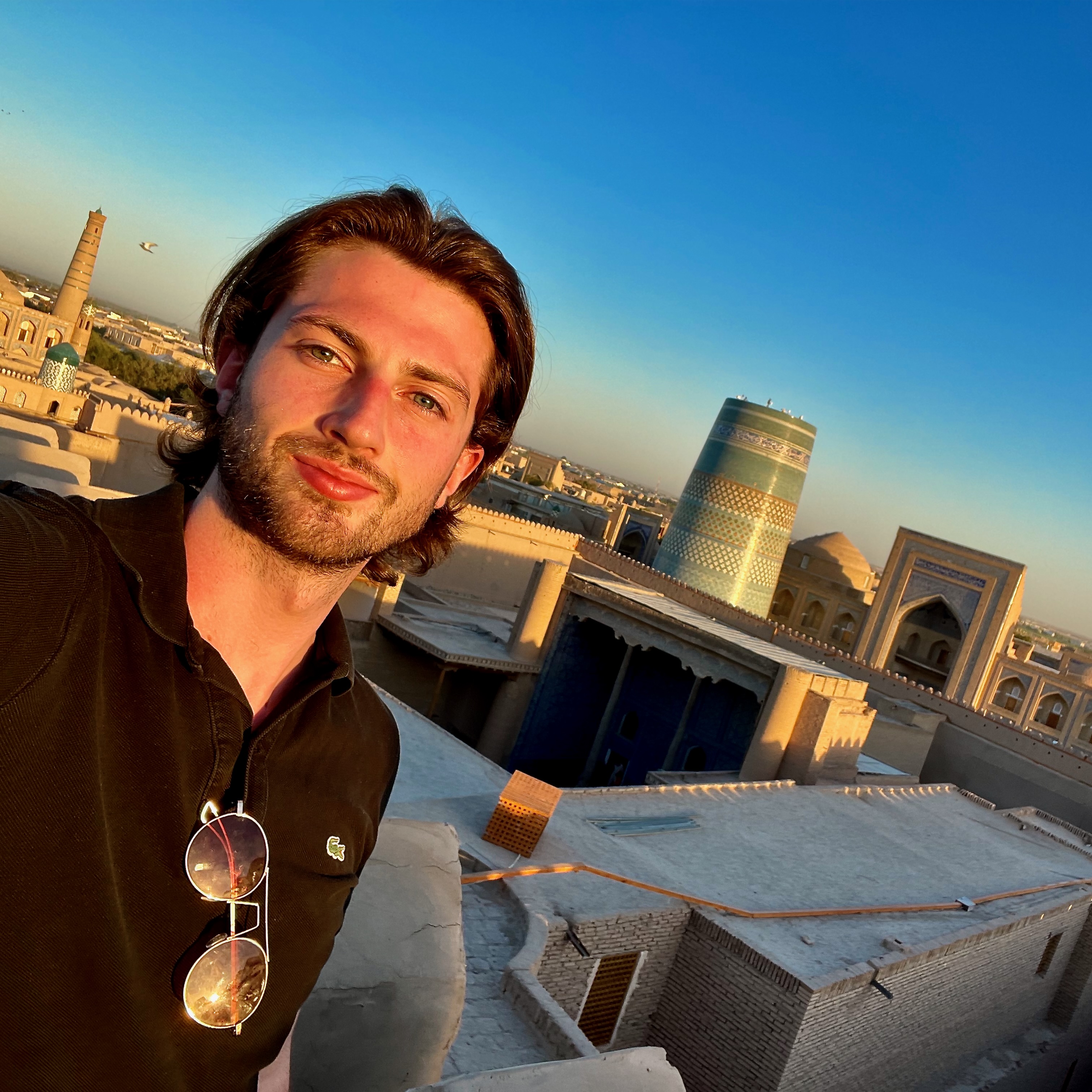
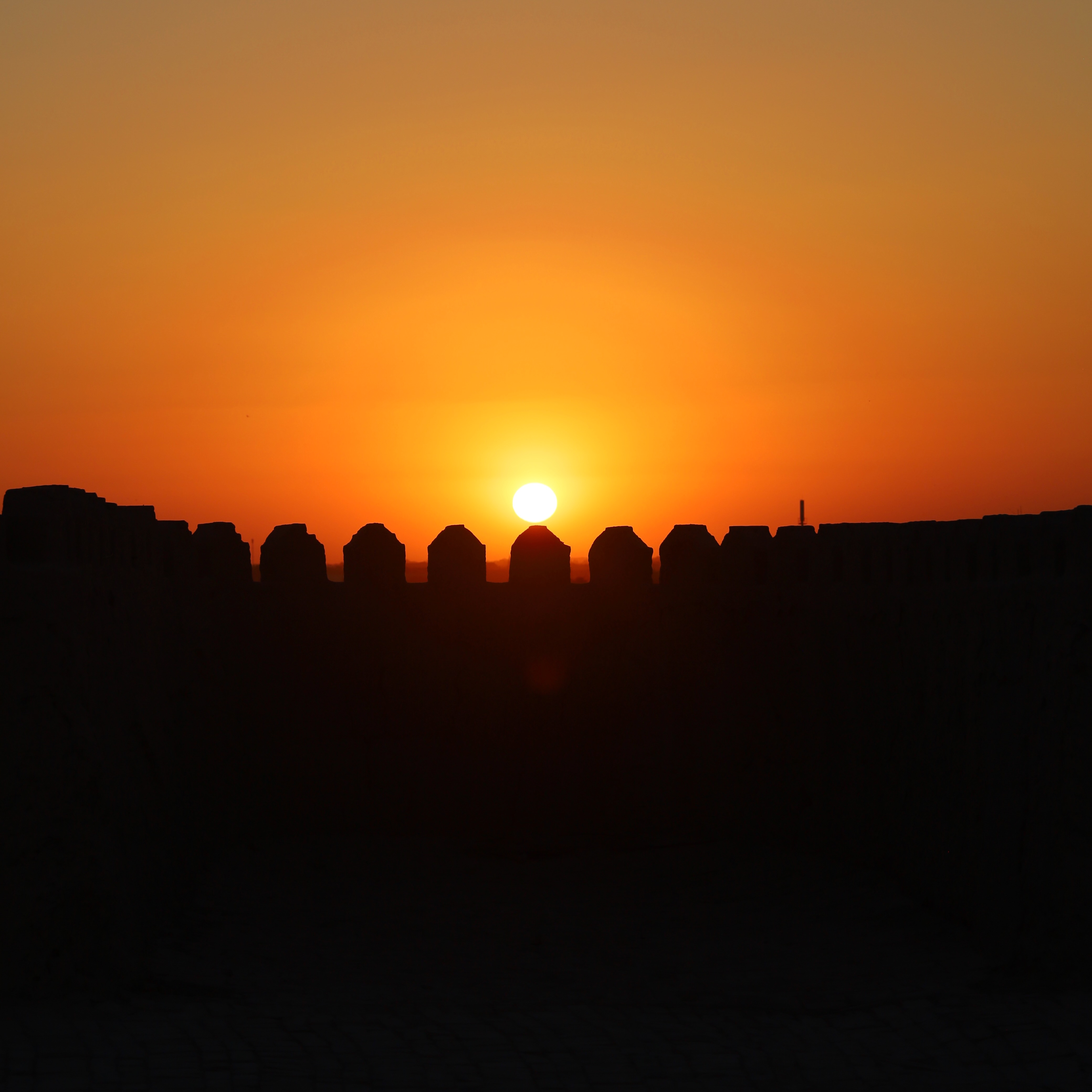
Kuhna Ark Watchtower at sunset
The Kuhna Ark citadel is definitely worth a visit in the day to see the residence of the former Khans of Khiva. However, the view from the watchtower at sunset is unmatched.
Wander around Itchan Kala
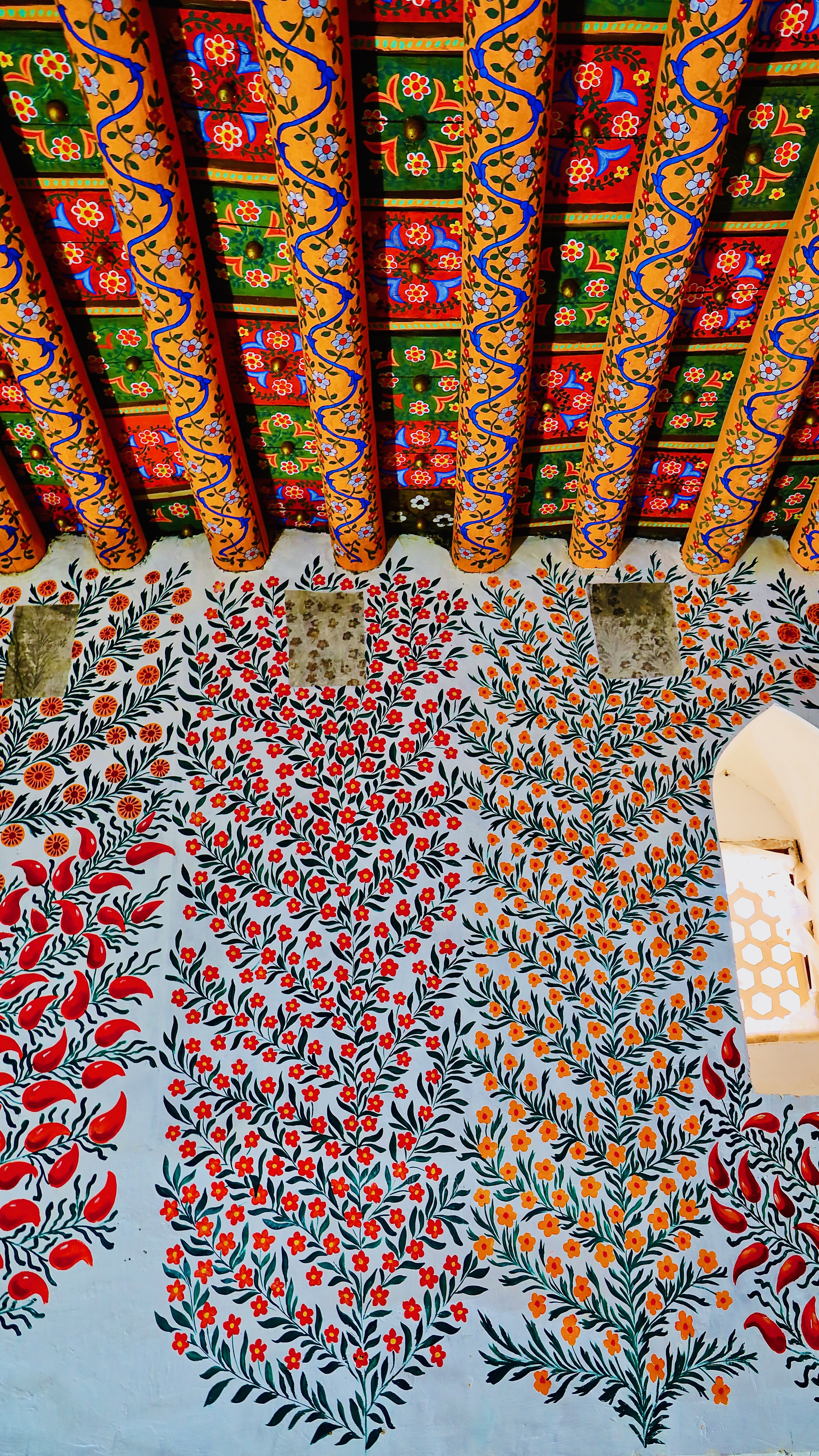
As I always say, I’m a bit of a wanderer when travelling. Even in the July desert heat, Itchan Kala is worth a good wander, visiting all the minarets and madrasas throughout the town and taking some mesmerising photos.
Juma Mosque
For a true picture of history visit the Juma Mosque with its 200+ carved wooden pillars, some of which date back to the 10th century.
Go to a crafts workshop
There are many crafts workshops throughout the cities, be it carpets, ceramics, silk or wood, they are all masters of their craft. The wood carvers I visited left me mesmerised so much that I couldn’t resist not buying a carved book (or iPad as the carver liked to make clear) stand.
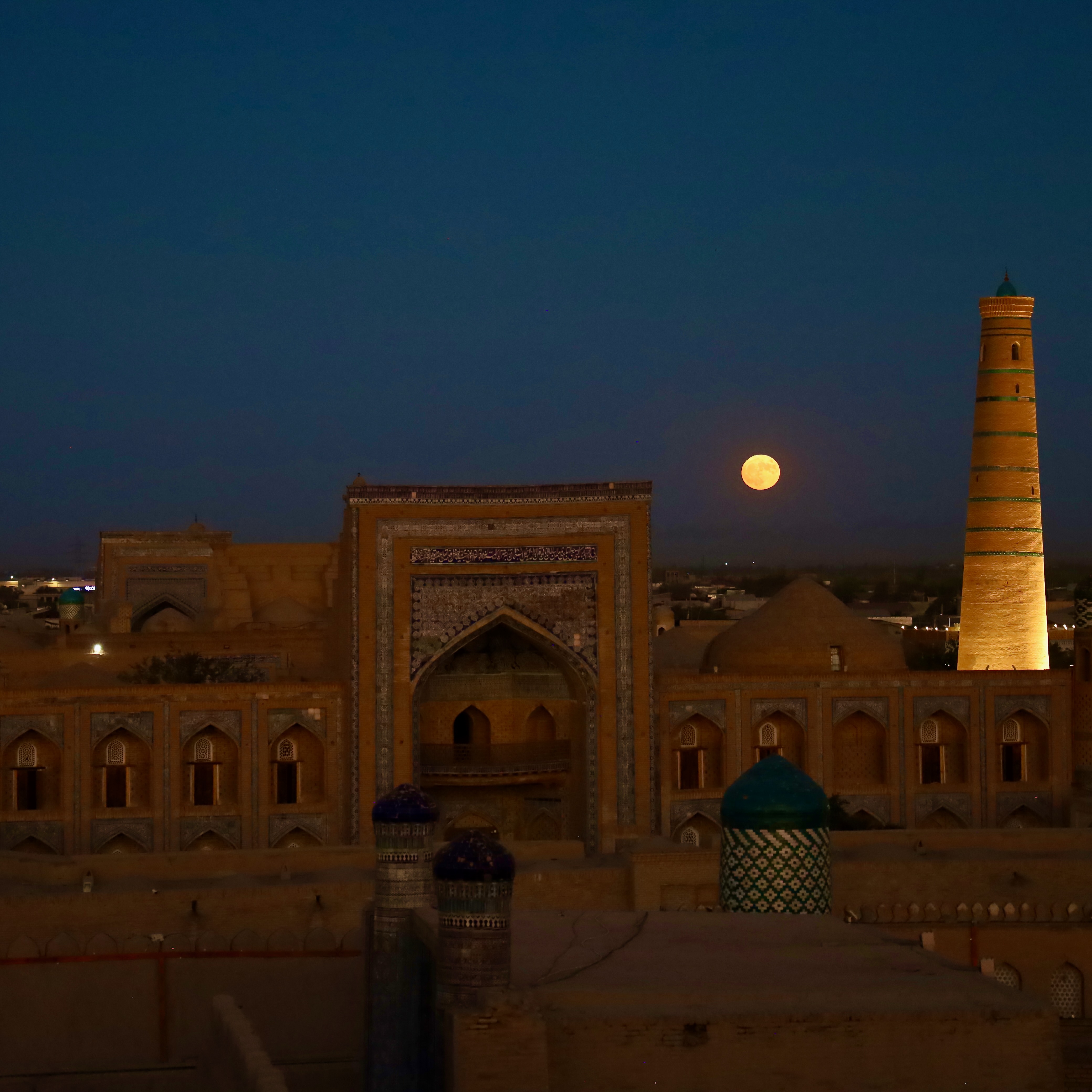
Have dinner at a rooftop restaurant
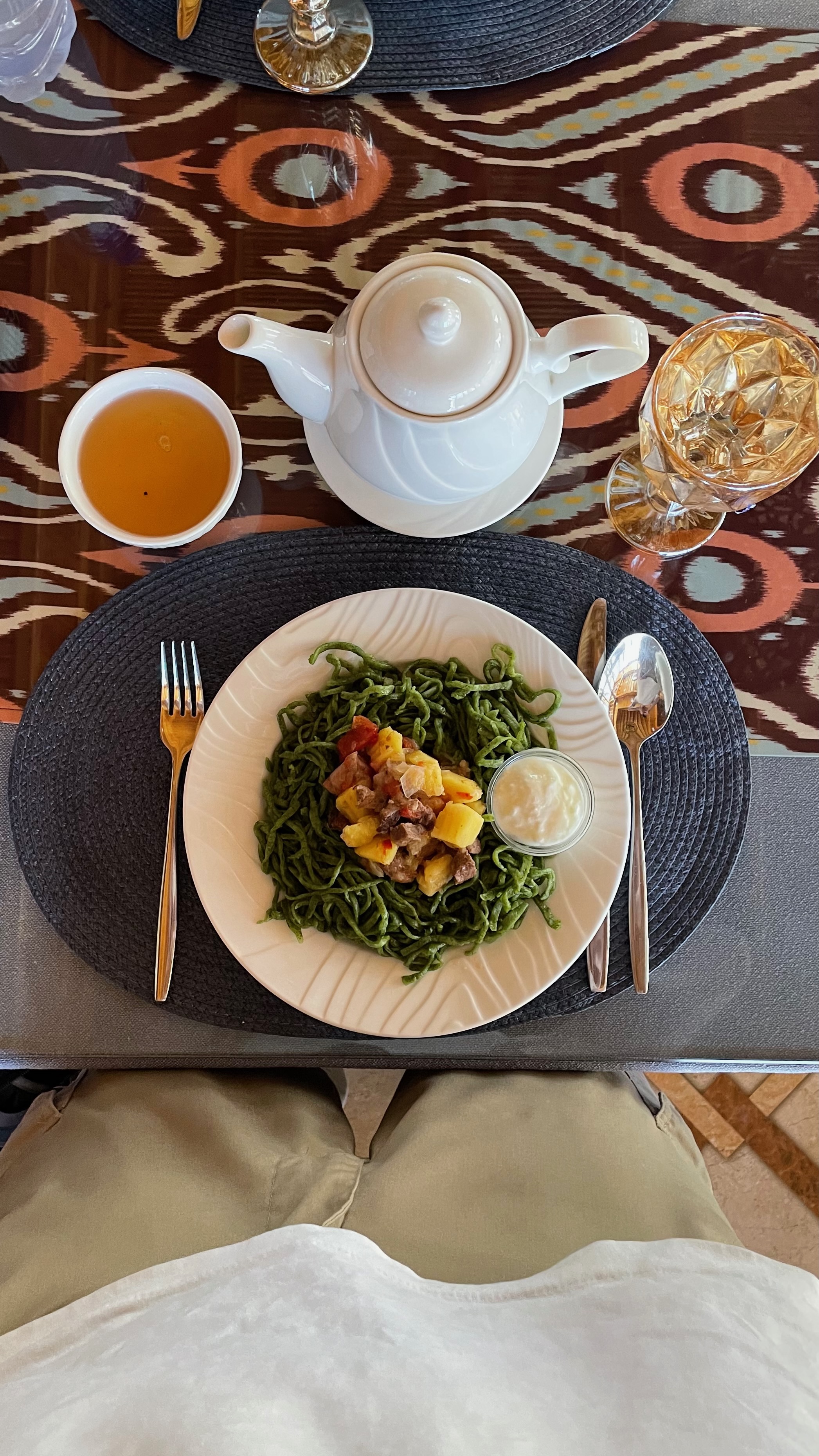
At night, having dinner in a rooftop restaurant is really atmospheric and provides great views of the little up attractions and stunning moon. Maybe try the Khiva speciality, Shivit Oshi, a dish composed of green noodles, beef stew and sour cream.


Leave a Reply