
When I was in my hostel in Riga, about to leave for Uzbekistan, to say I wasn’t apprehensive would be lying. Following proposed constitutional reforms, massive protests occurred in the southwestern city of Nukus, leaving 18 people dead and hundreds injured. I had heard the situation in Tashkent was calm and unaffected by the situation in Karakalpakstan, I, therefore, decided slightly against my better judgement, to go ahead and get my flight.
I can confidently say now having been in Tashkent for 4 days and explored much of the city, I made the right decision. Despite having written a dissertation on Central Asia, I’m not entirely sure what I expected from Tashkent, the biggest city in the region, and the fourth biggest in the former Soviet Union. What I’ve seen is a city of many sides and many cultures. A city that can easily be defined into 3 categories: the historic part, the soviet part and the modern independent Uzbek part.
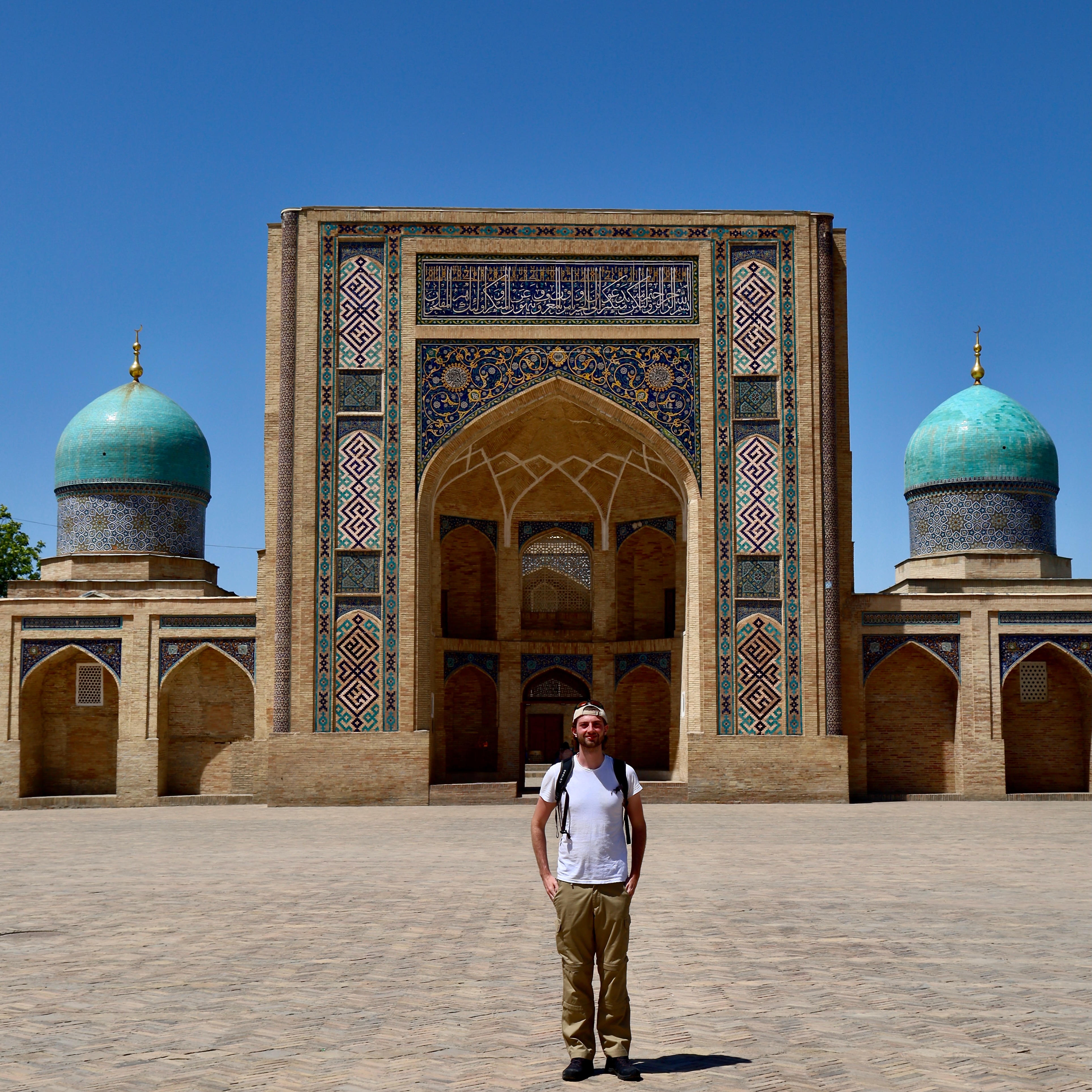
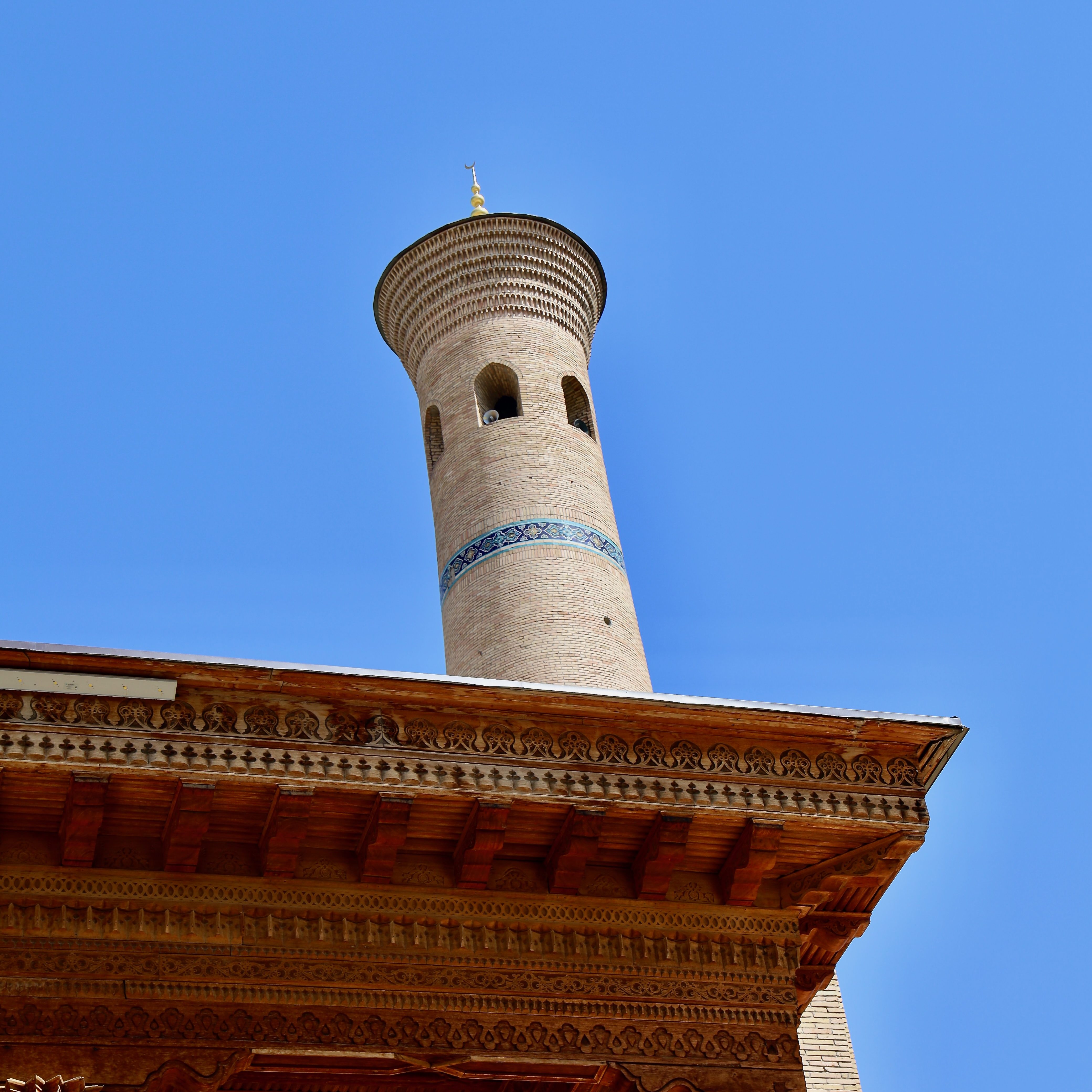
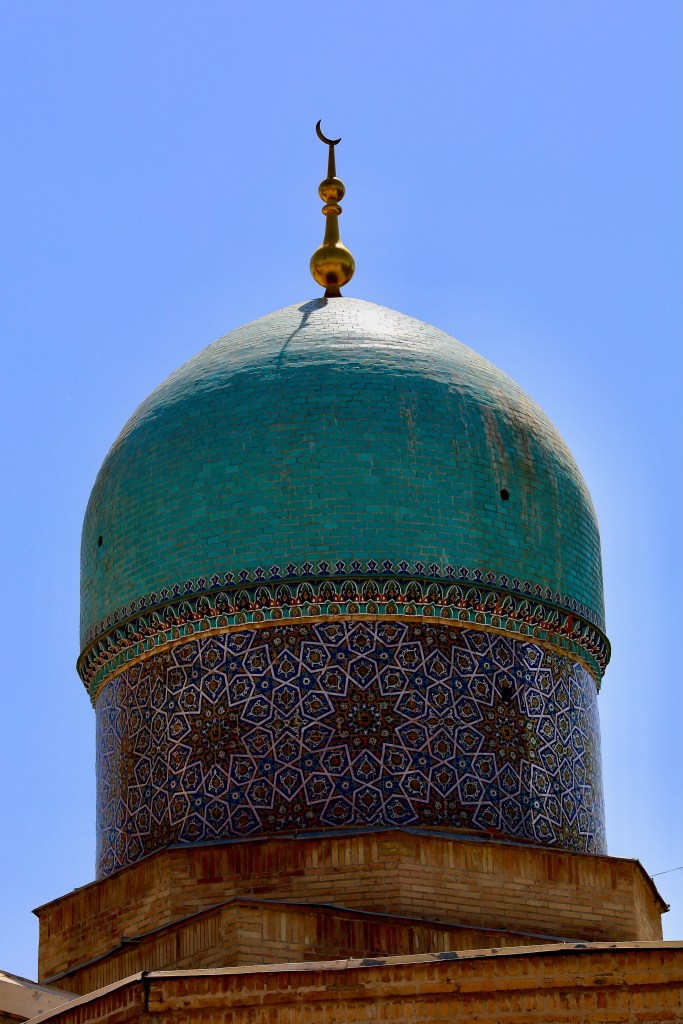
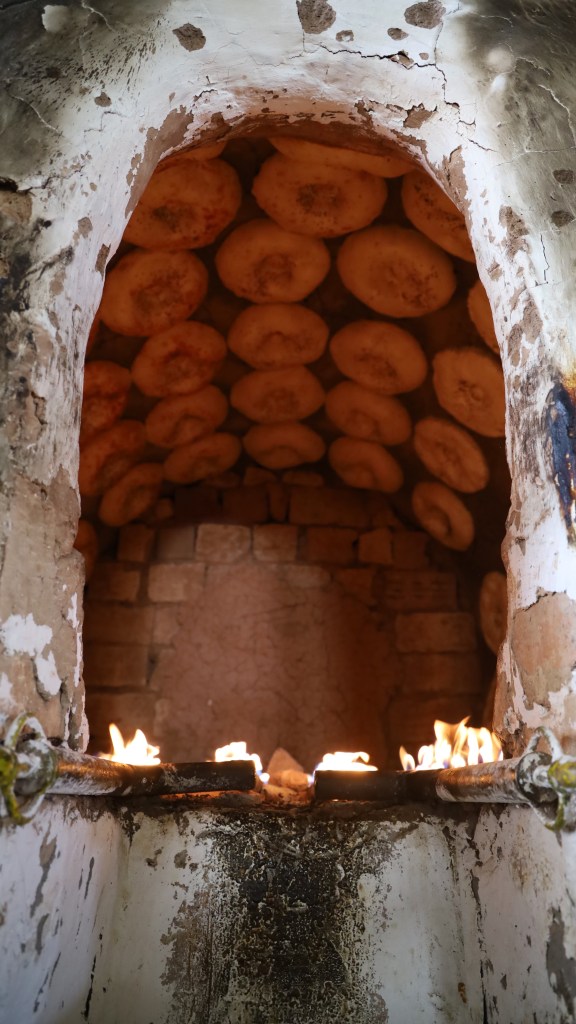
The historic parts of Tashkent contain architecture and art, not unlike that found in the main historic Silk Road cities of the south of the country. Blue tilled madrasa’s and mosques, blue domes litter the sky-line in the older part of the city close to the Chorsu Bazaar. The bazaar itself is filled with anything someone would ever need. From spices and fruit, to freshly baked bread, to any soviet tap fitting you may need, to my recently purchased 1968 English-Russian dictionary.
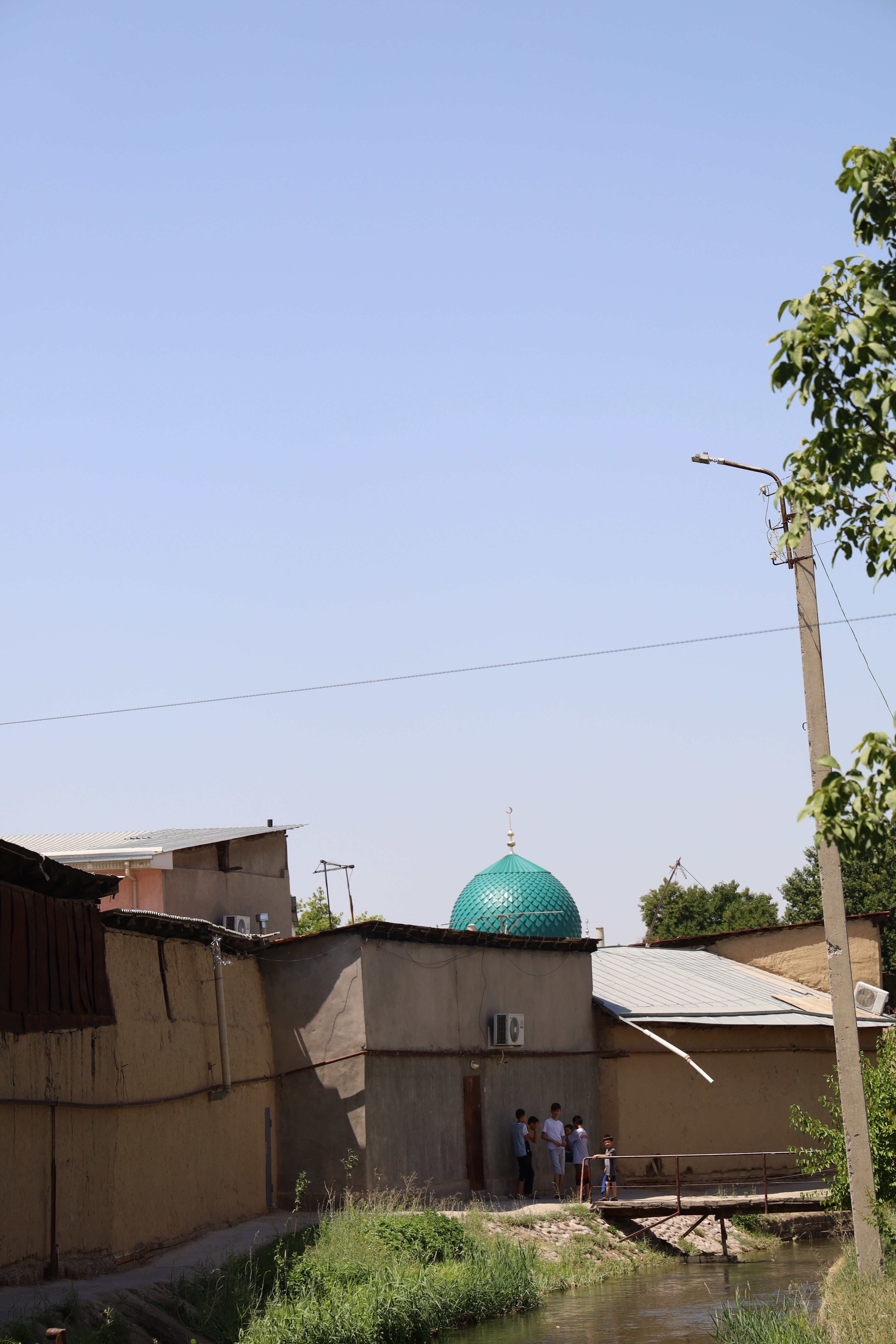
Between Chorsu and Hazrati Imam are the old residences, largely one or two-story houses untouched by the Soviet occupation. The streets are a maze hiding the real soul of Tashkent and Uzbekistan that is rarely seen elsewhere in the city. The little alleys, gushing streams and locals with their old Soviet-era cars set a mood that nowhere else in the city does. When wandering through these streets you suddenly feel you have entered Asia. Unfortunately, this area of the city is shrinking and being encroached upon by the new high-rise buildings. Although these buildings signify a new and modernising Uzbekistan, this district to me is the heart and soul of Tashkent and to destroy this area would be to destroy your own history.
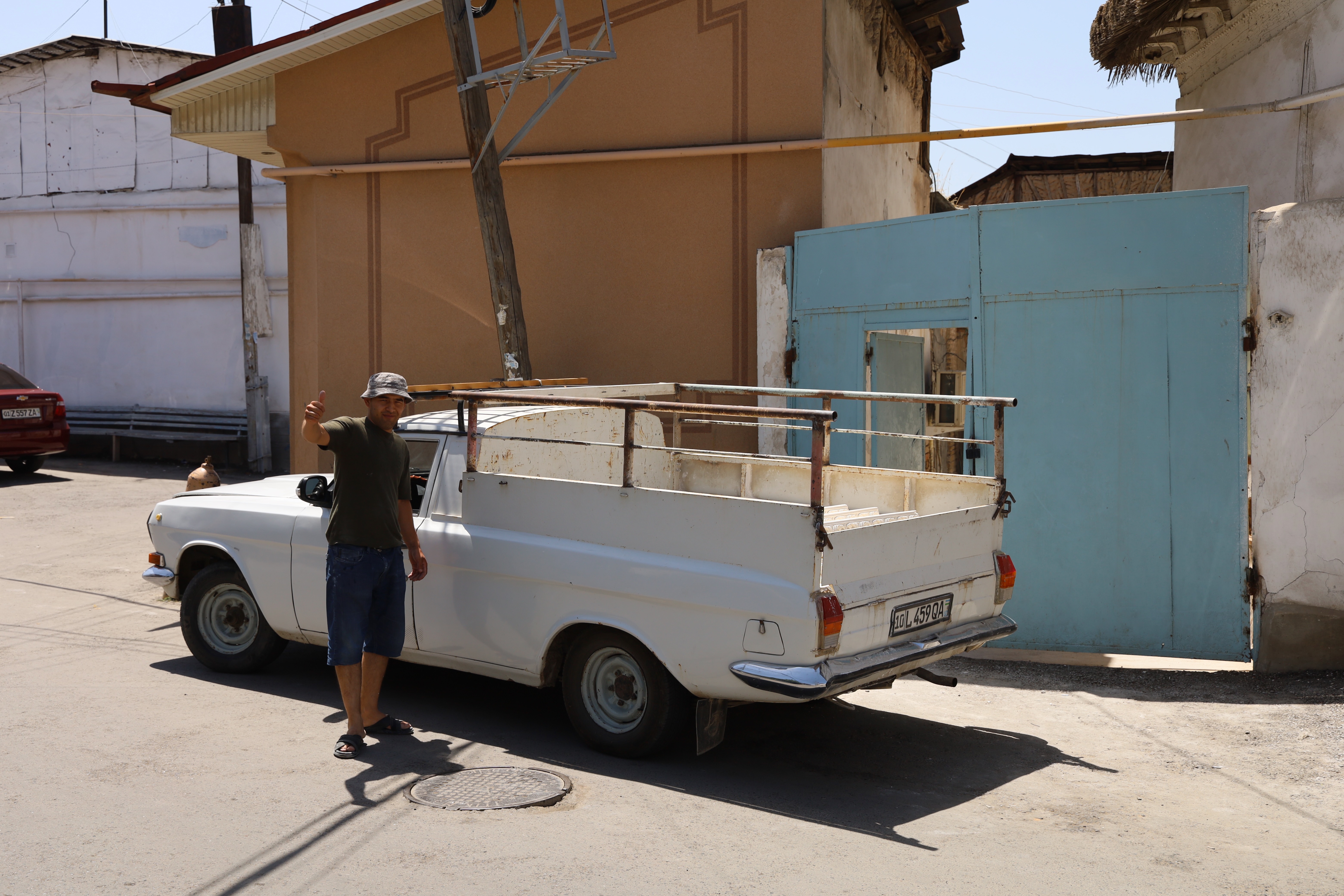
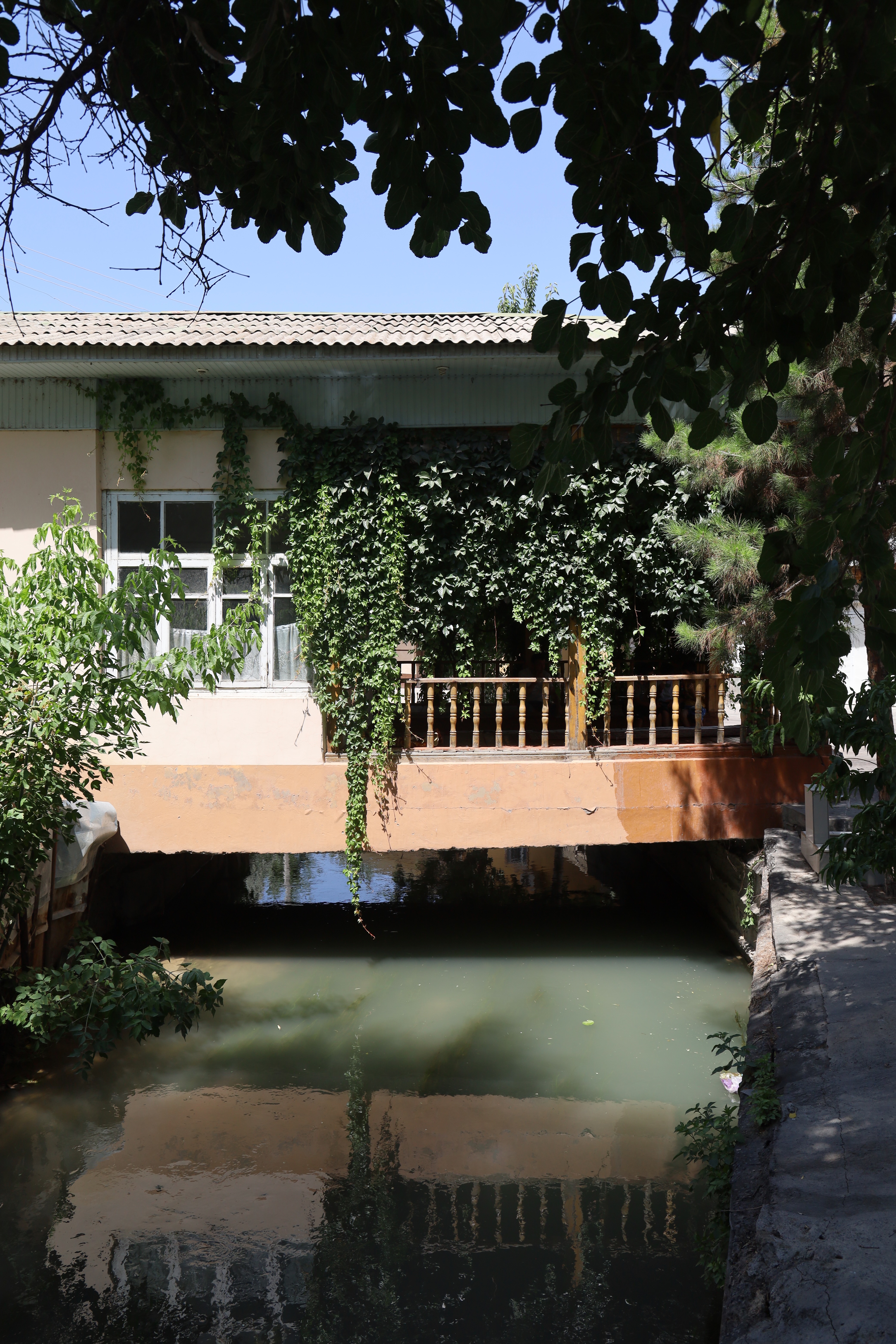
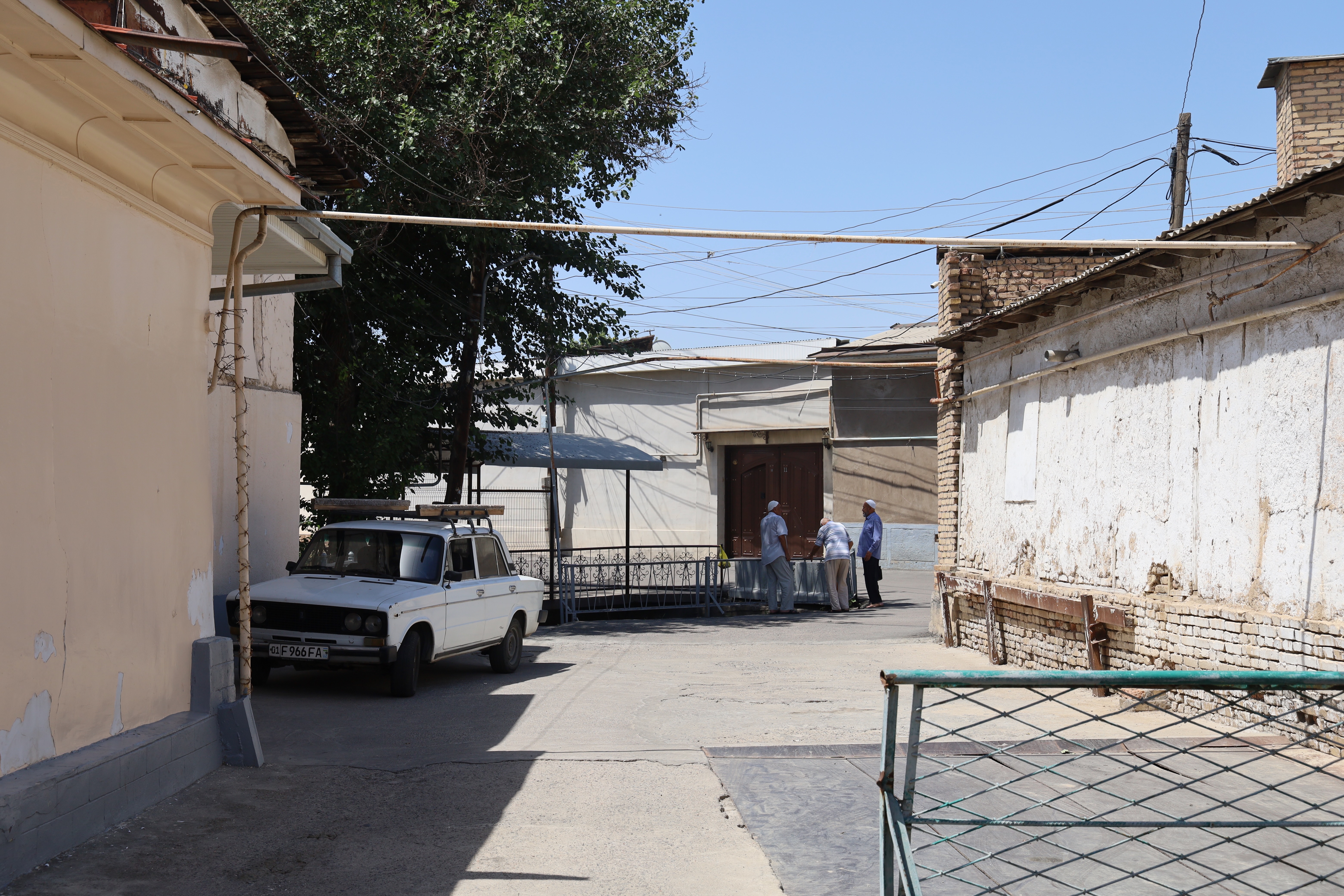
These elements of Tashkent perhaps shocked me most, I was expecting to see the cultural history of Uzbekistan much more next week in Bukhara, Khiva and Samarkand. Nevertheless, they provided a really pleasant surprise. However, if I’m honest my main reason for coming to Tashkent was to see the Soviet heritage that remains throughout this city. Despite being situated on the fringes of the Soviet Empire, Tashkent was the 4th largest city, and due to an earthquake destroying much of the city in 1965, the city was rebuilt in the Soviet-style.
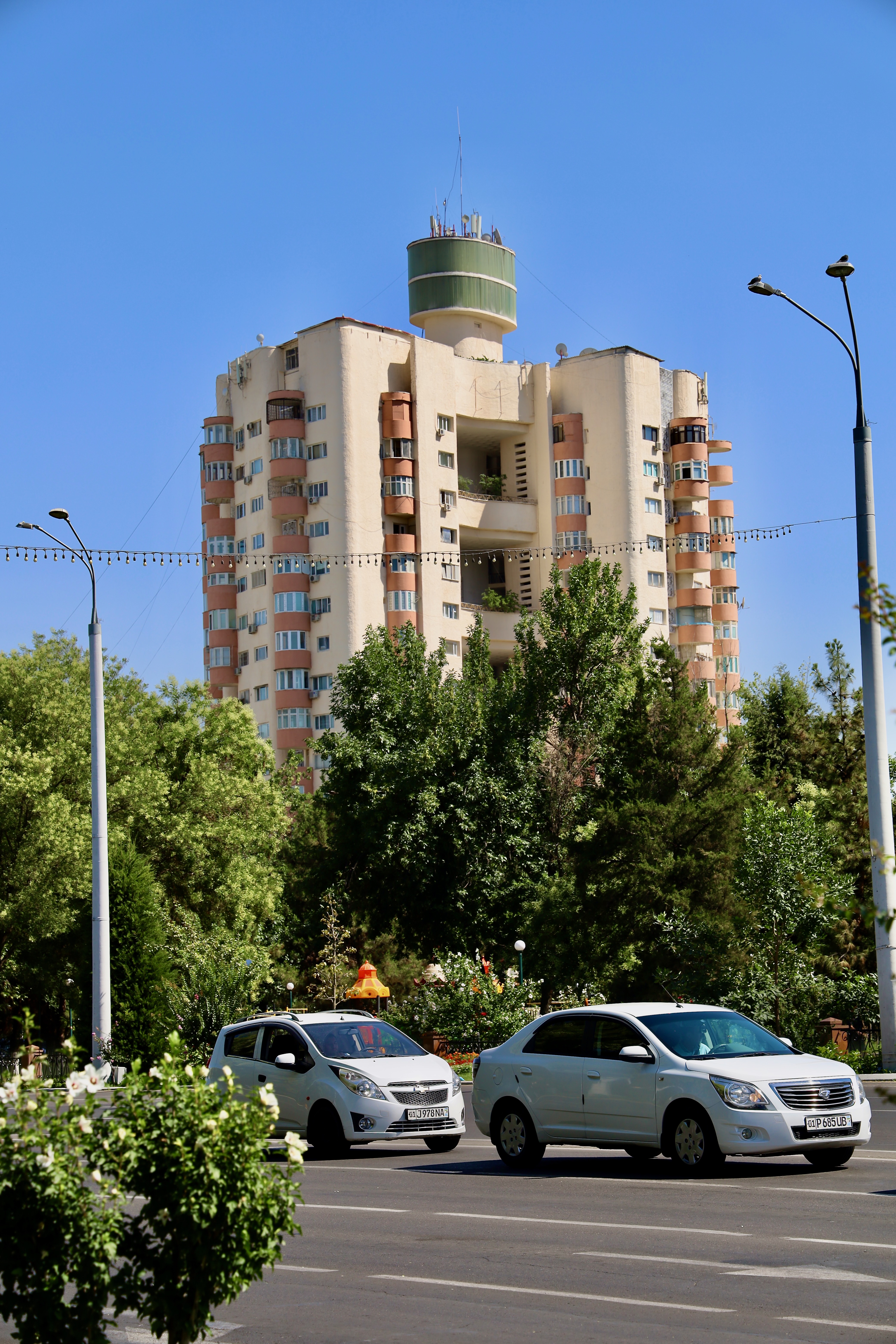
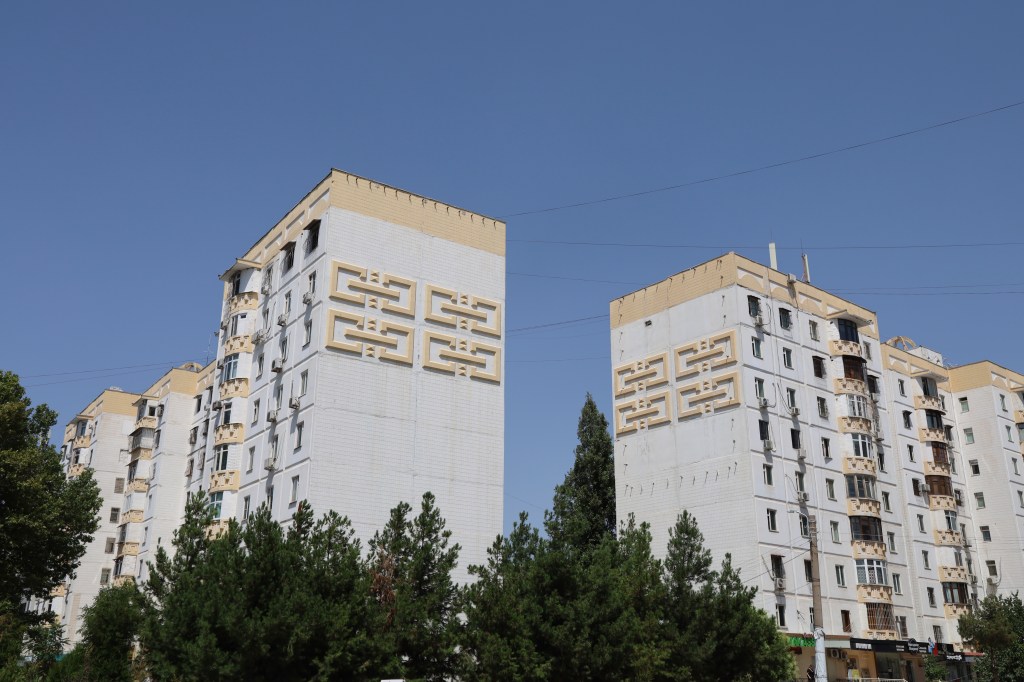
The city is littered with examples of Soviet architecture. The iconic Hotel Uzbekistan, the beautifully decorated Metro, and the many other Soviet modernist designs throughout the city. I know that for many people, Soviet architecture can seem rather imposing, and seem just like large concrete walls. However, to me, they are fascinating, when you look closer almost always unique facades and murals can be found. Often there is a practical reason for the craziness of the designs. One particular residential block was viewed as a vertical version of the old communal housing surrounded by a courtyard found in the historic neighbourhoods of Tashkent. Every few floors an outside communal garden is suspended one upon another. This slightly insane modernist twist on the ancient Uzbek way of living I think is one of the things that draws me toward Soviet architecture.
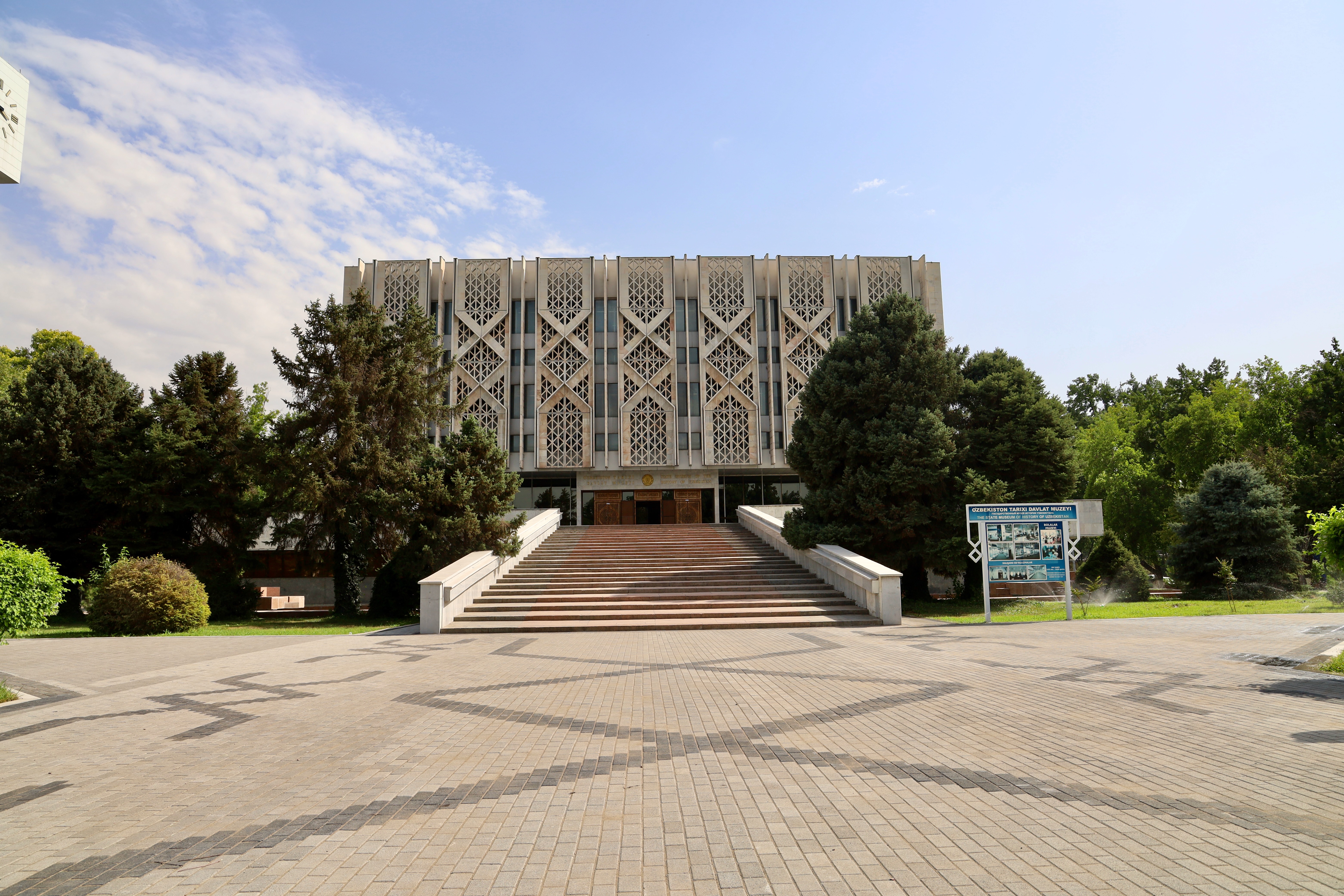
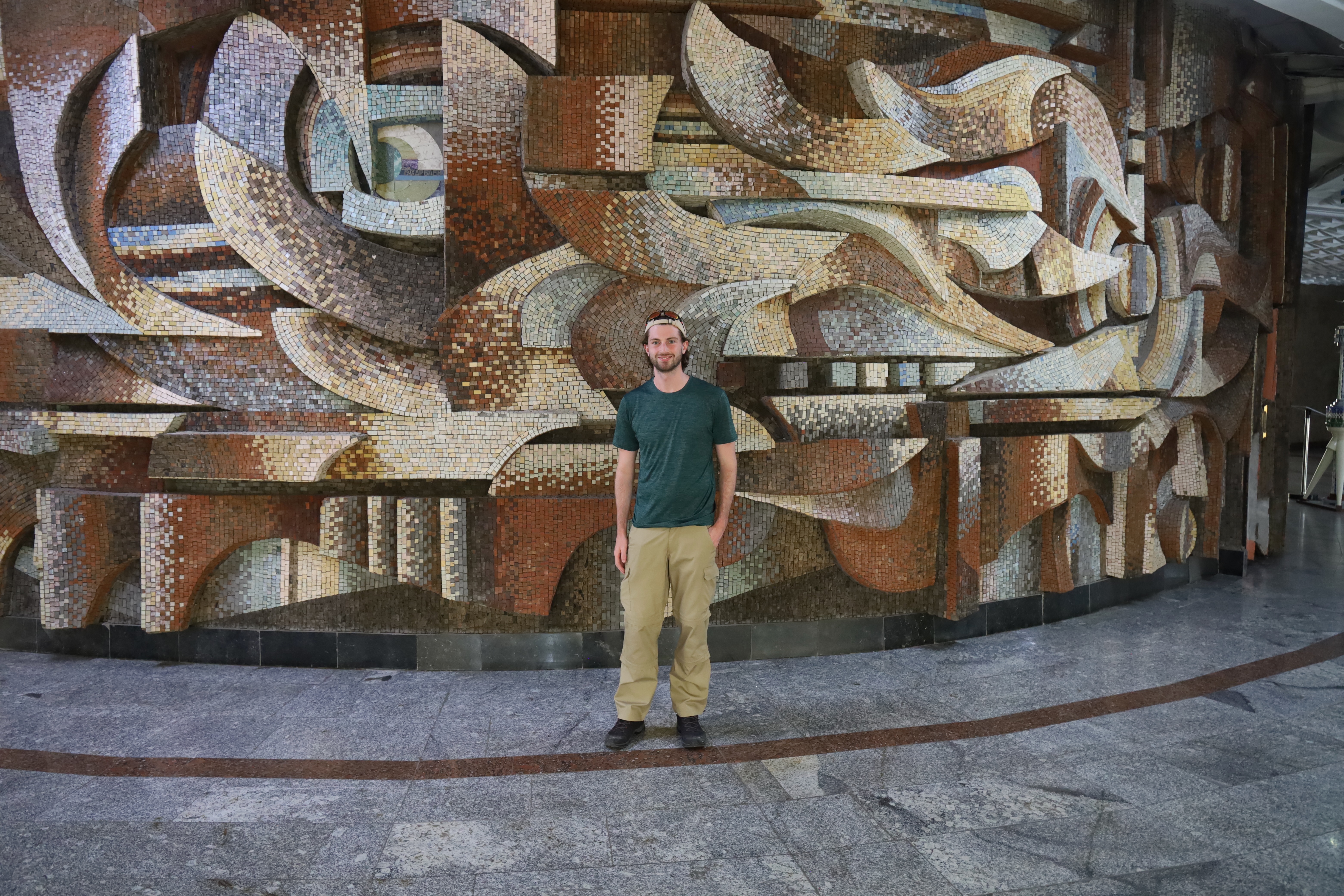
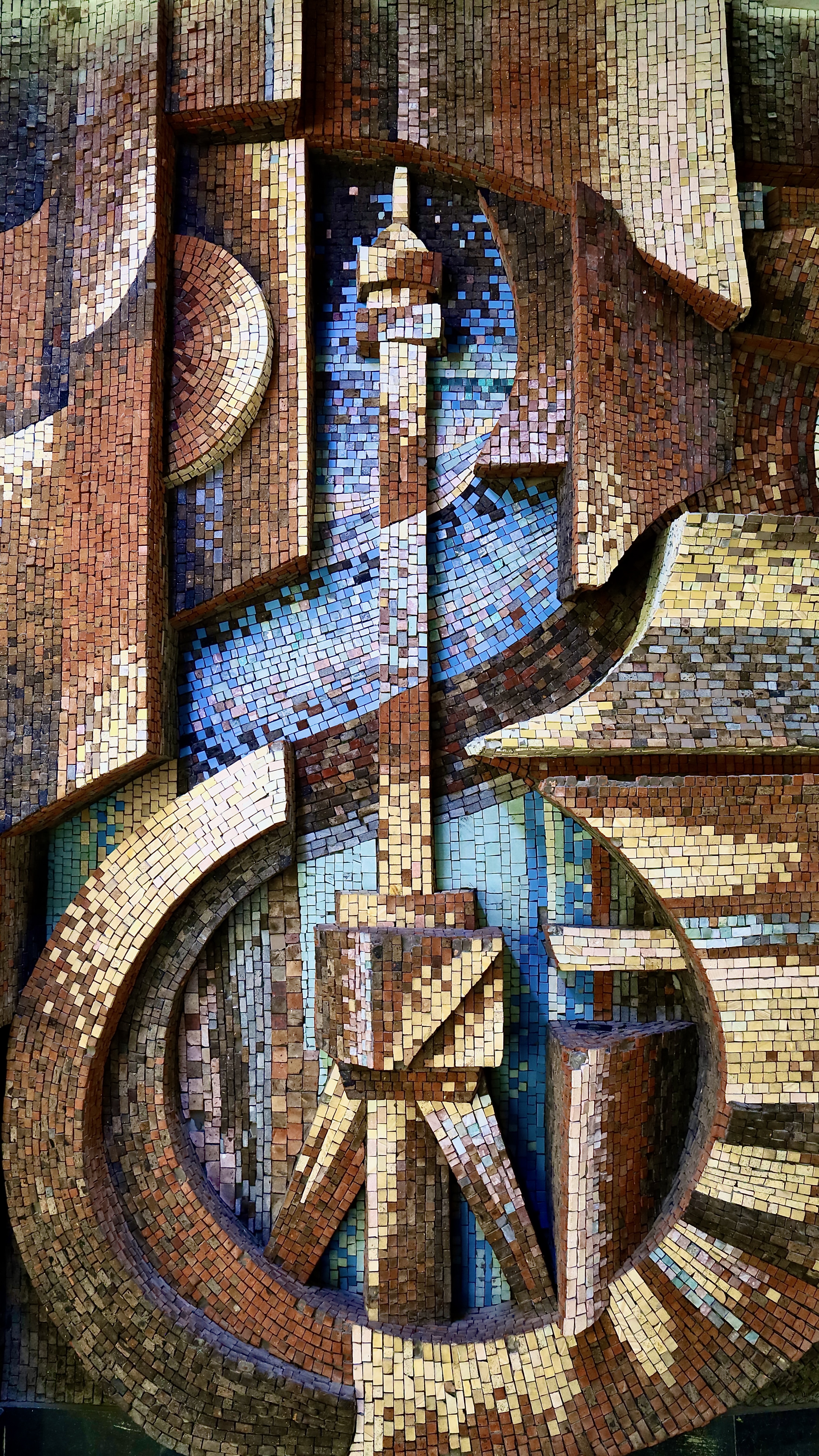
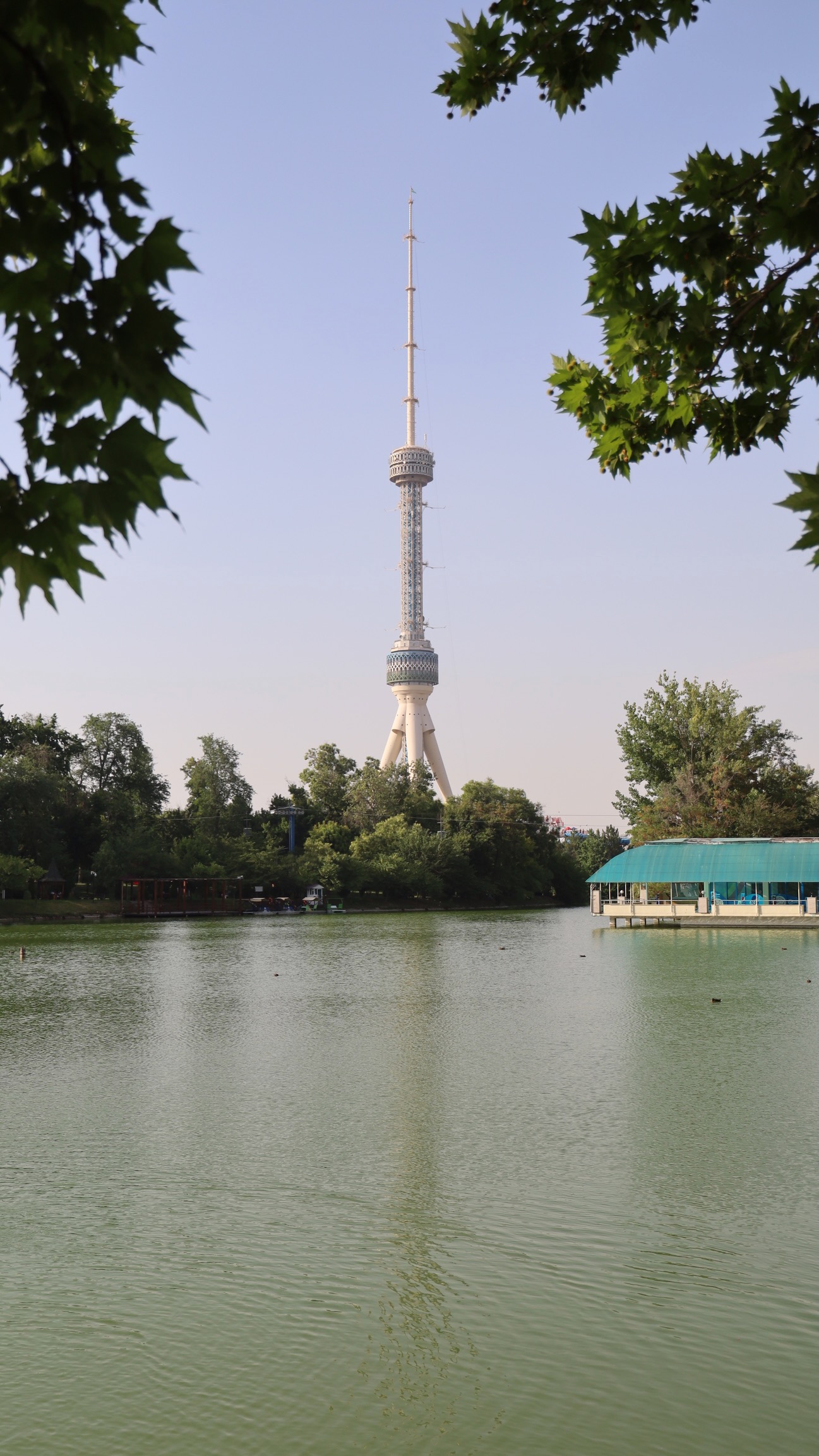
Before arriving in Tashkent, I think I was most excited about visiting the Tashkent TV Tower. The tower itself is pretty much exactly what you would expect from any TV tower around the world, so much so the tower is scattered inside by models of other TV towers. The viewing deck provides a good overview of Tashkent, however, the real treasure can be found on the ground floor. The entire lift shaft is surrounded by an enormous circular 3D mural. The mural depicts famous elements of Uzbekistan’s history, as well as the usual stars, cosmonauts and the like I’ve become used to seeing in Soviet artwork. The 3D and curved nature of the mural make it completely unique among murals I’ve seen across the states of the former Soviet Union and I would recommend it to anyone visiting Tashkent.
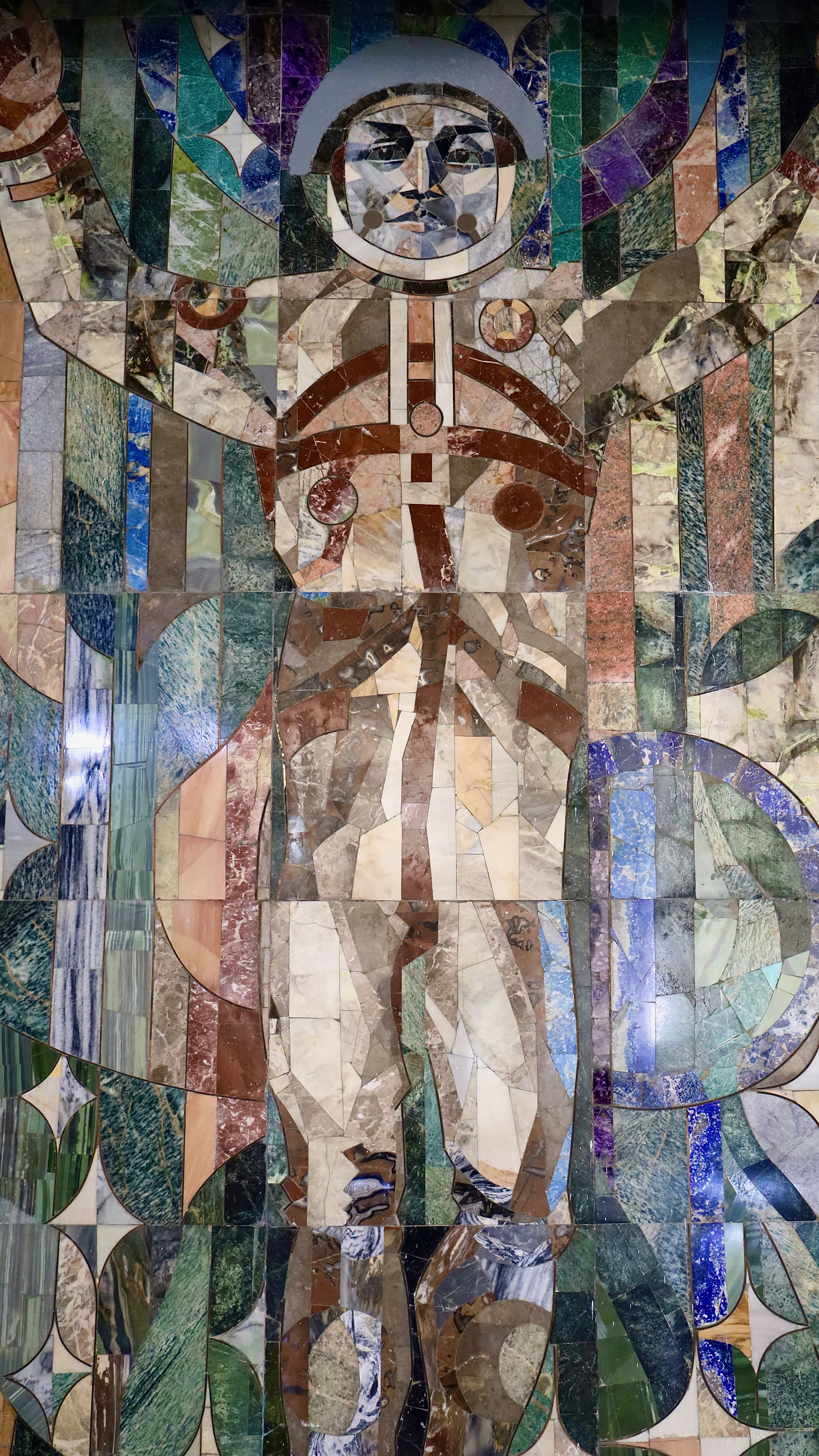
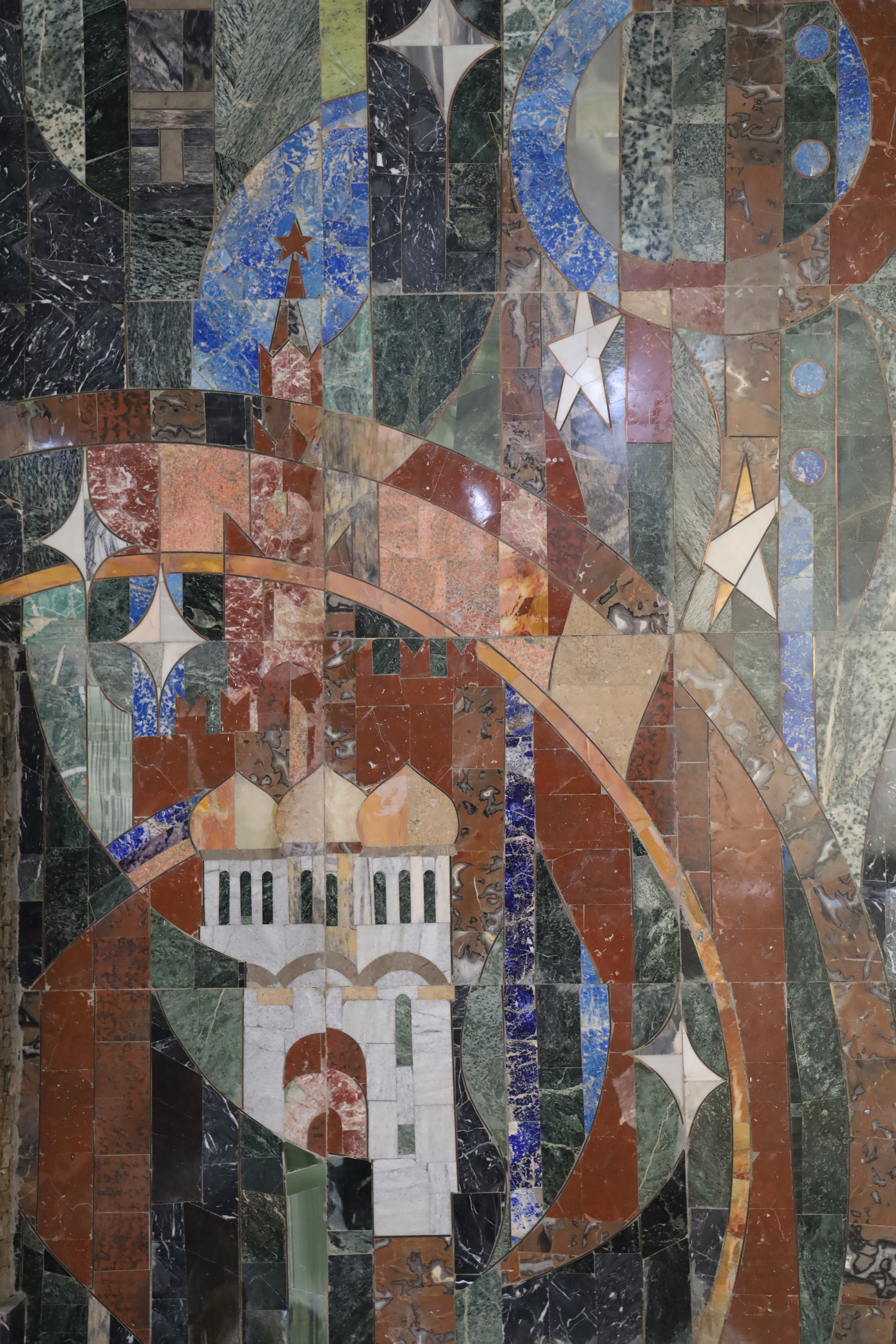
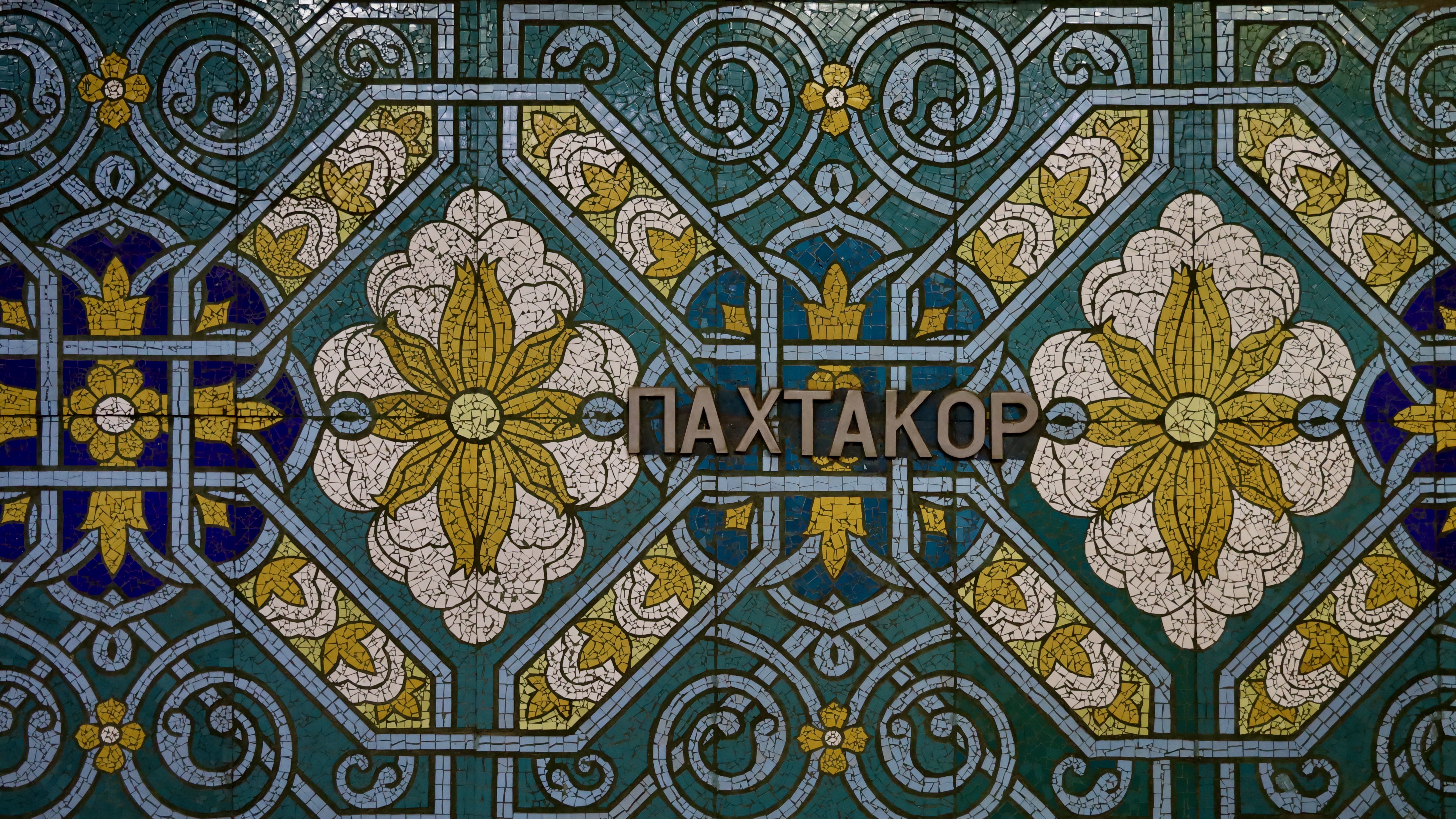
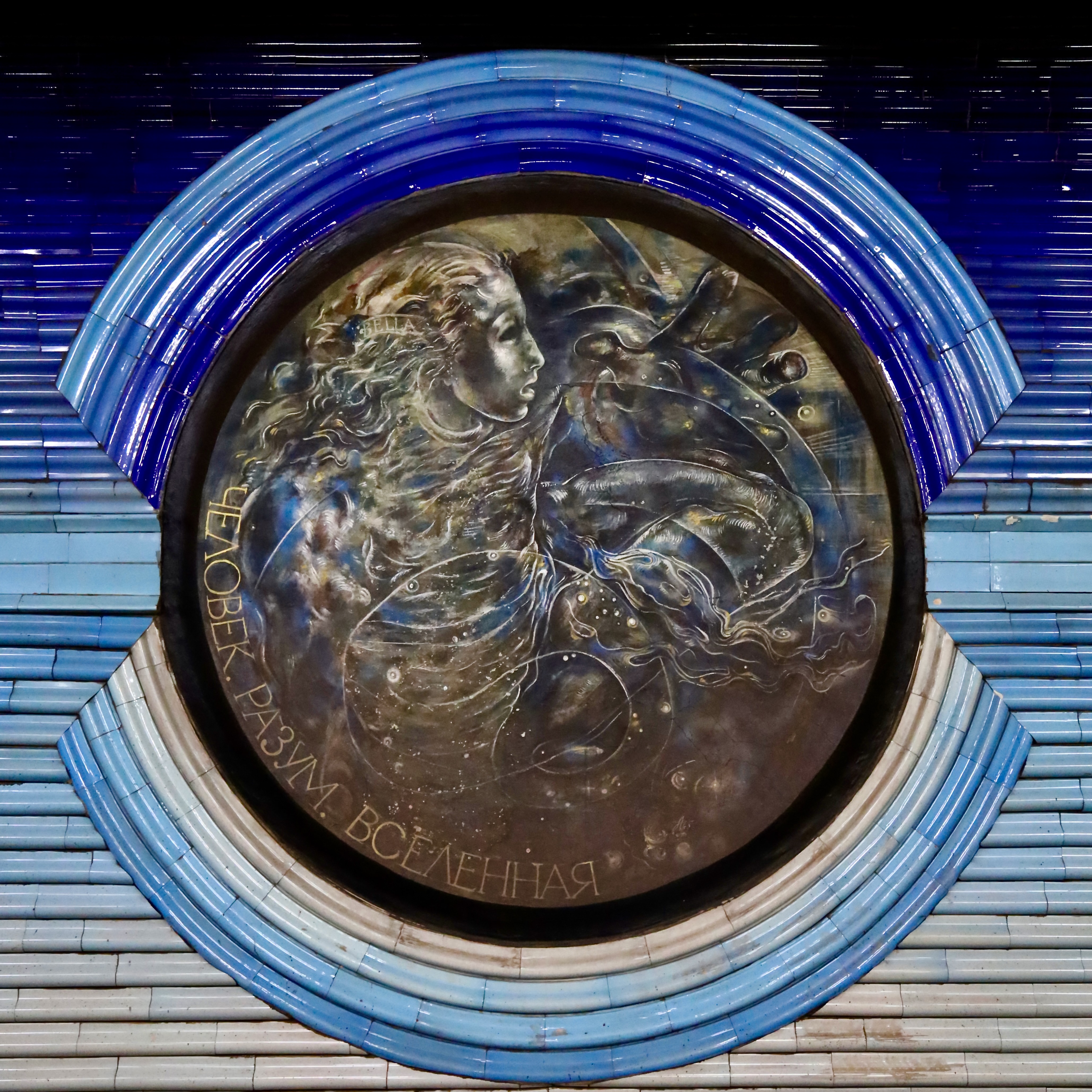
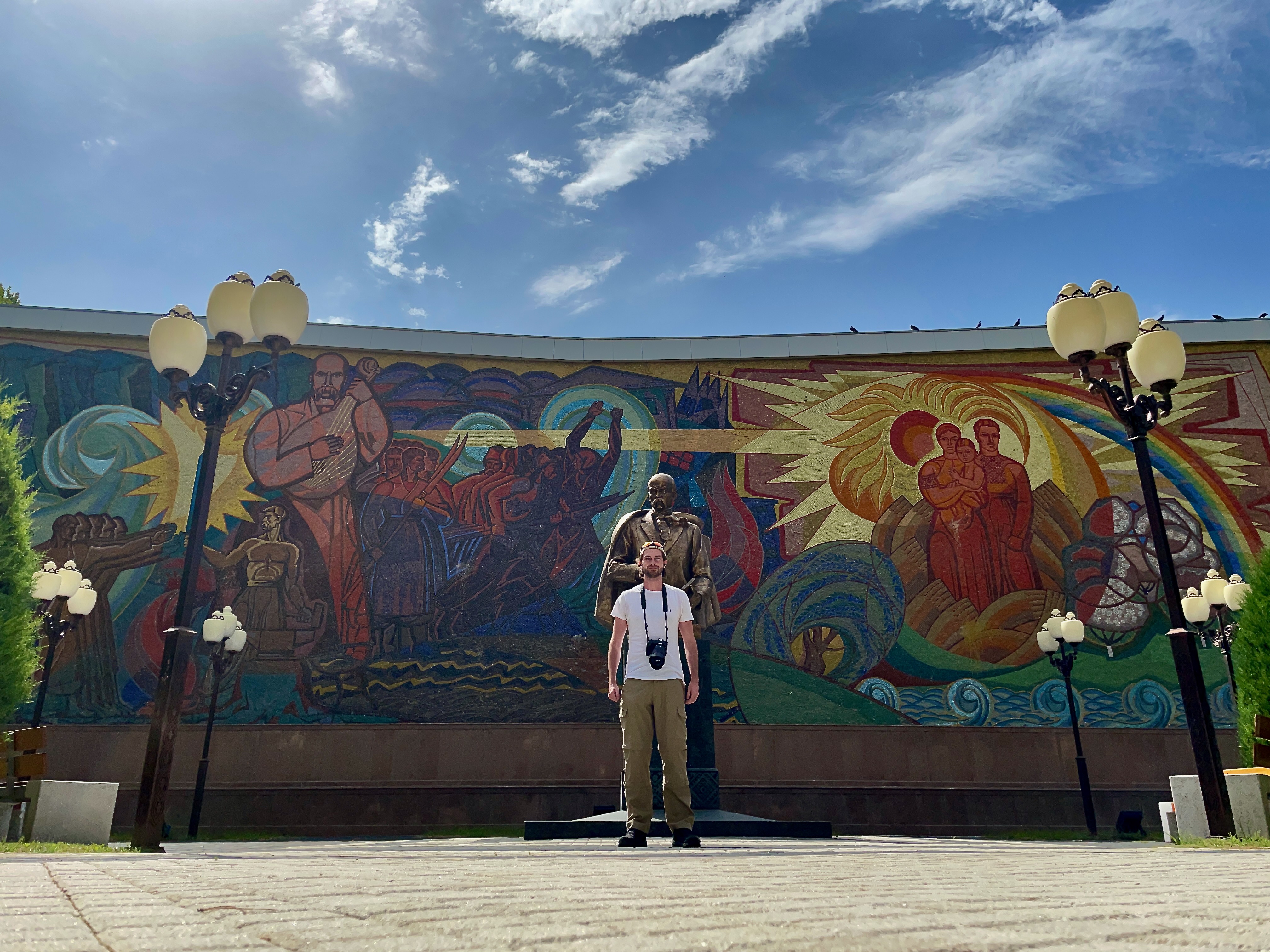
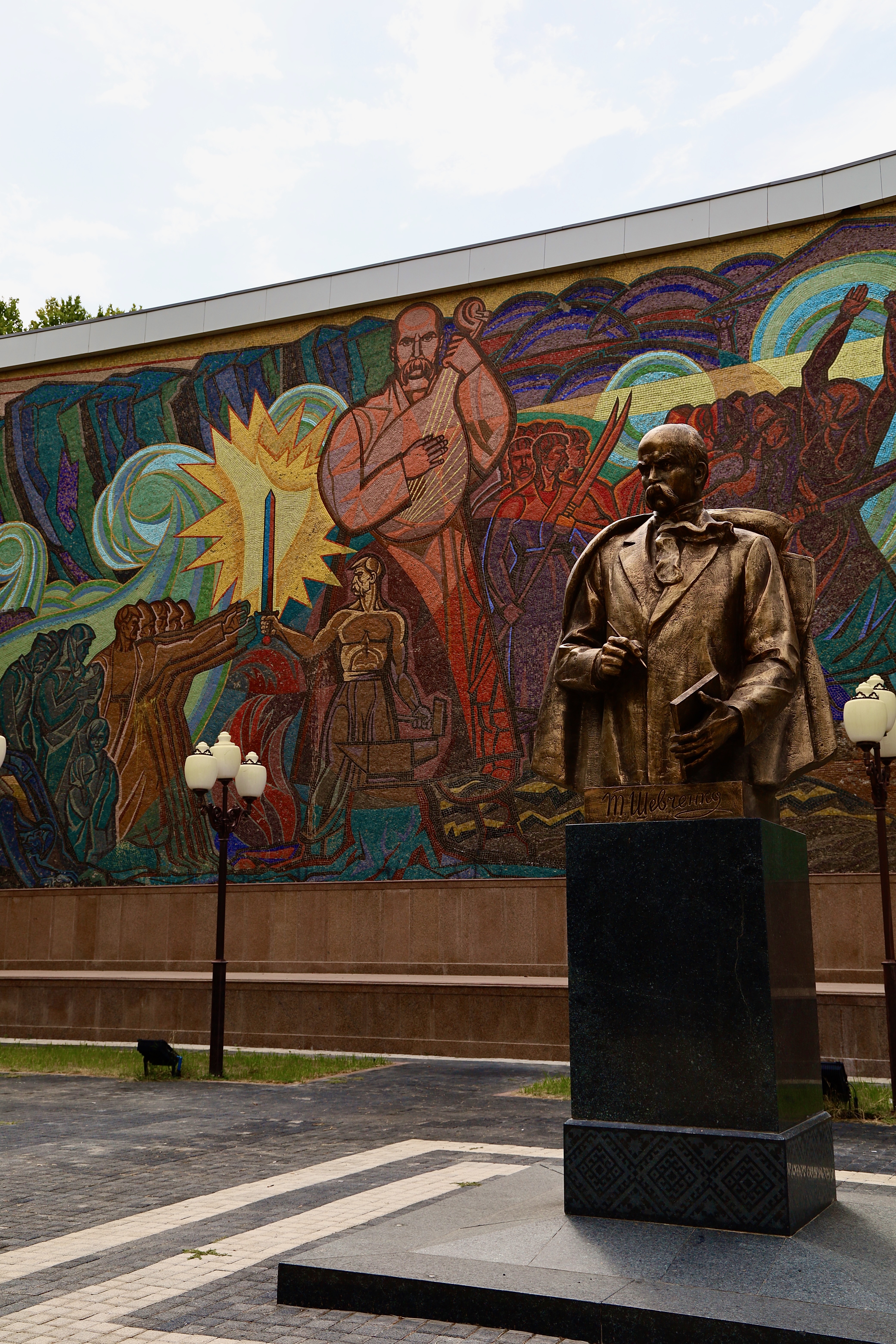
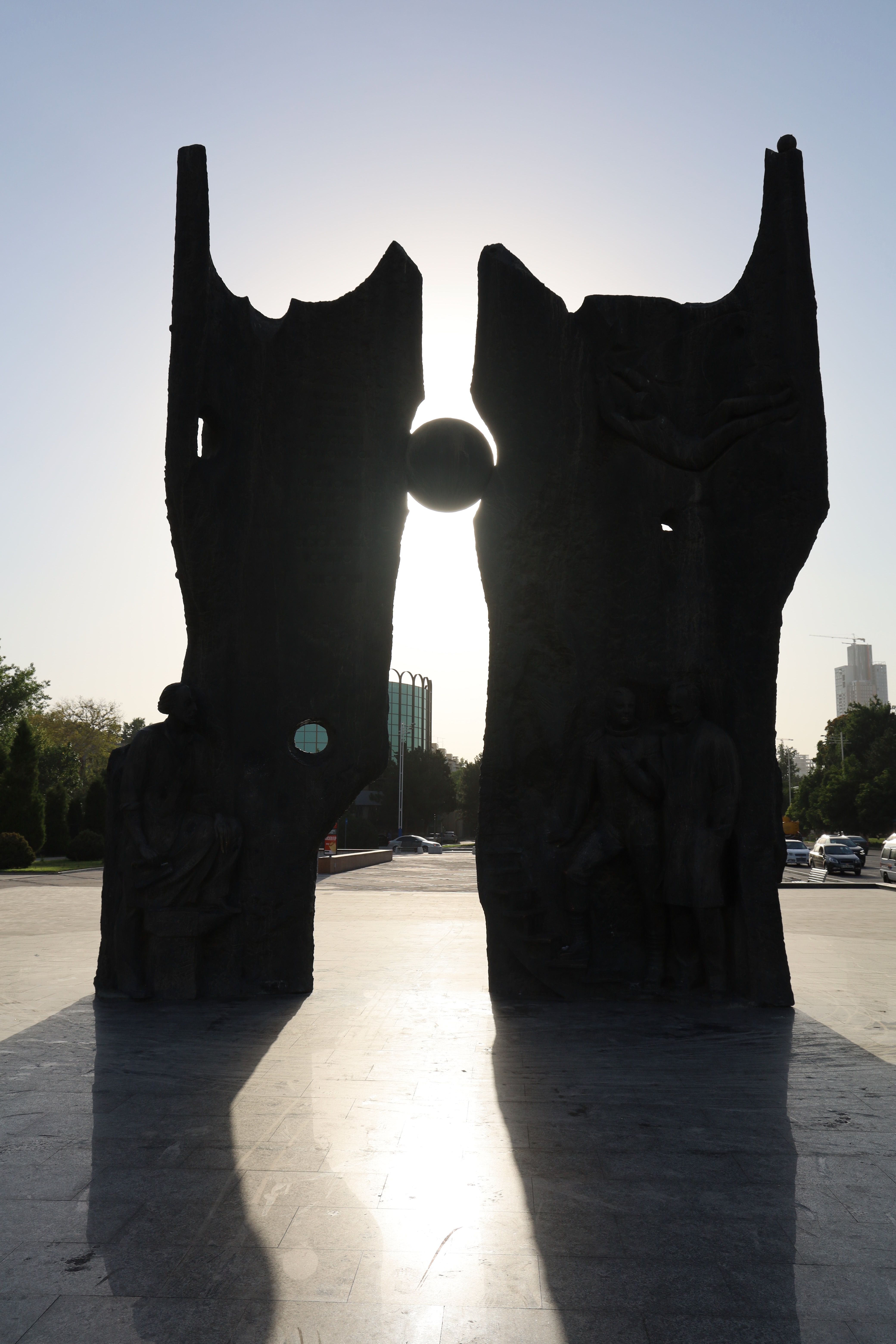
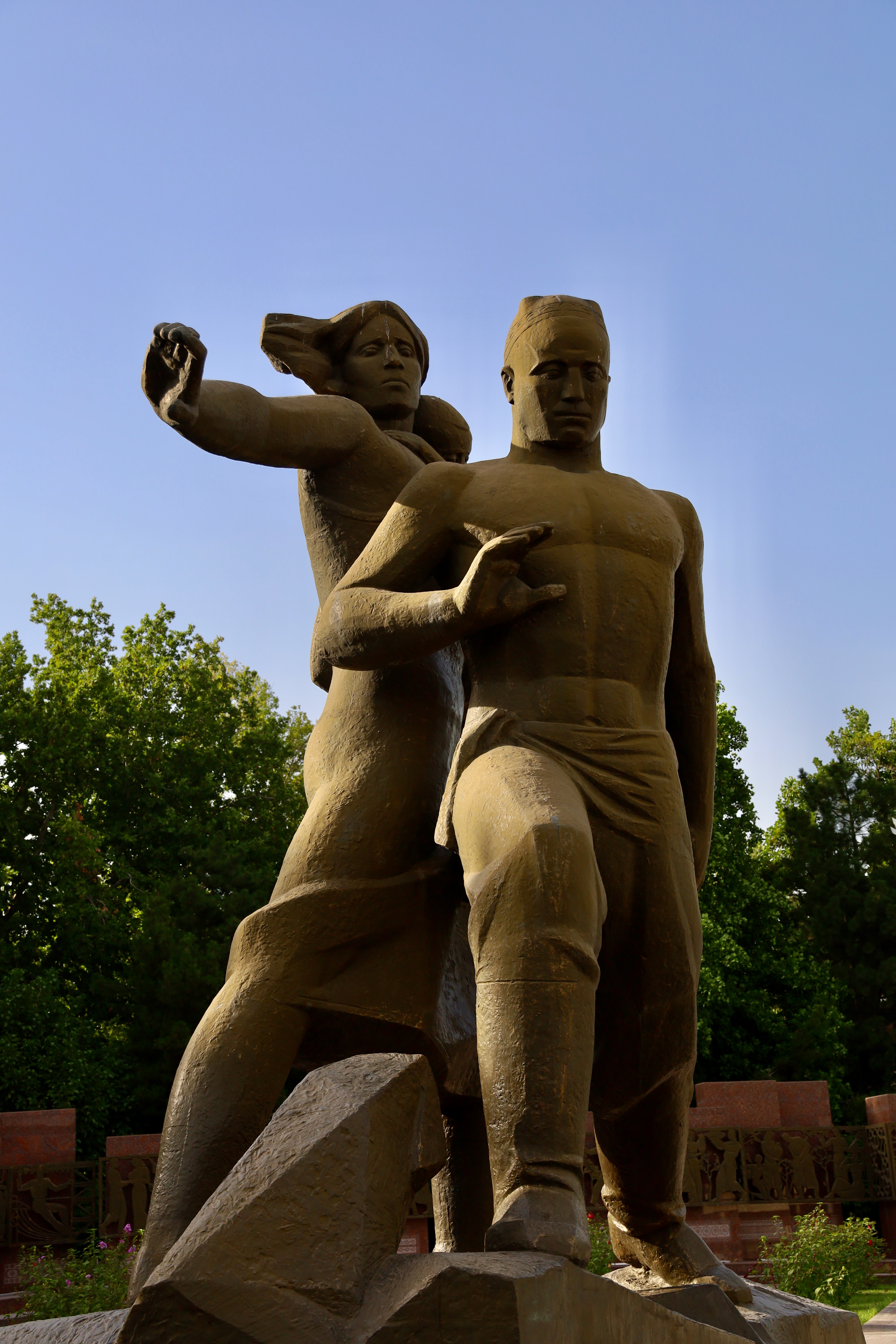
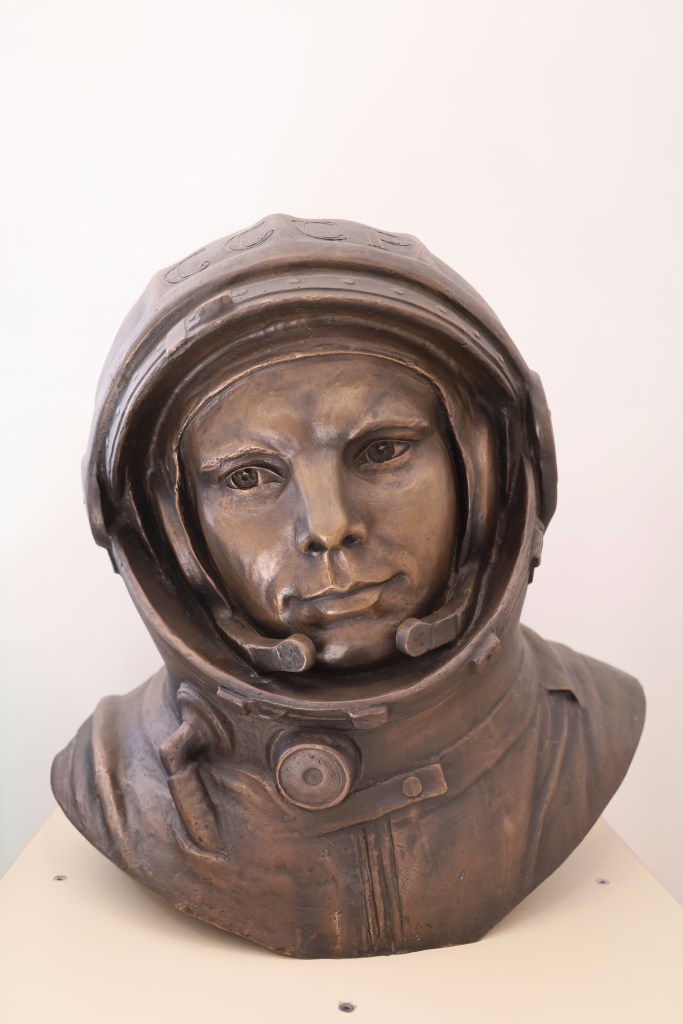
The mural at the TV Tower is not the only spectacular mural. A particularly vibrant one stands behind the Taras Shevchenko statue in the centre of the city, additionally, the memorial to the victims of the 1965 earthquake has a beautiful mural-like background behind the main statue. Finally, it’s worth visiting the Tashkent metro system where many stations are spectacularly decorated. As with many Soviet metro systems, each station has a theme, probably the best station in Tashkent is Kosmonavtlar, which depicts the history of the Soviet space program.
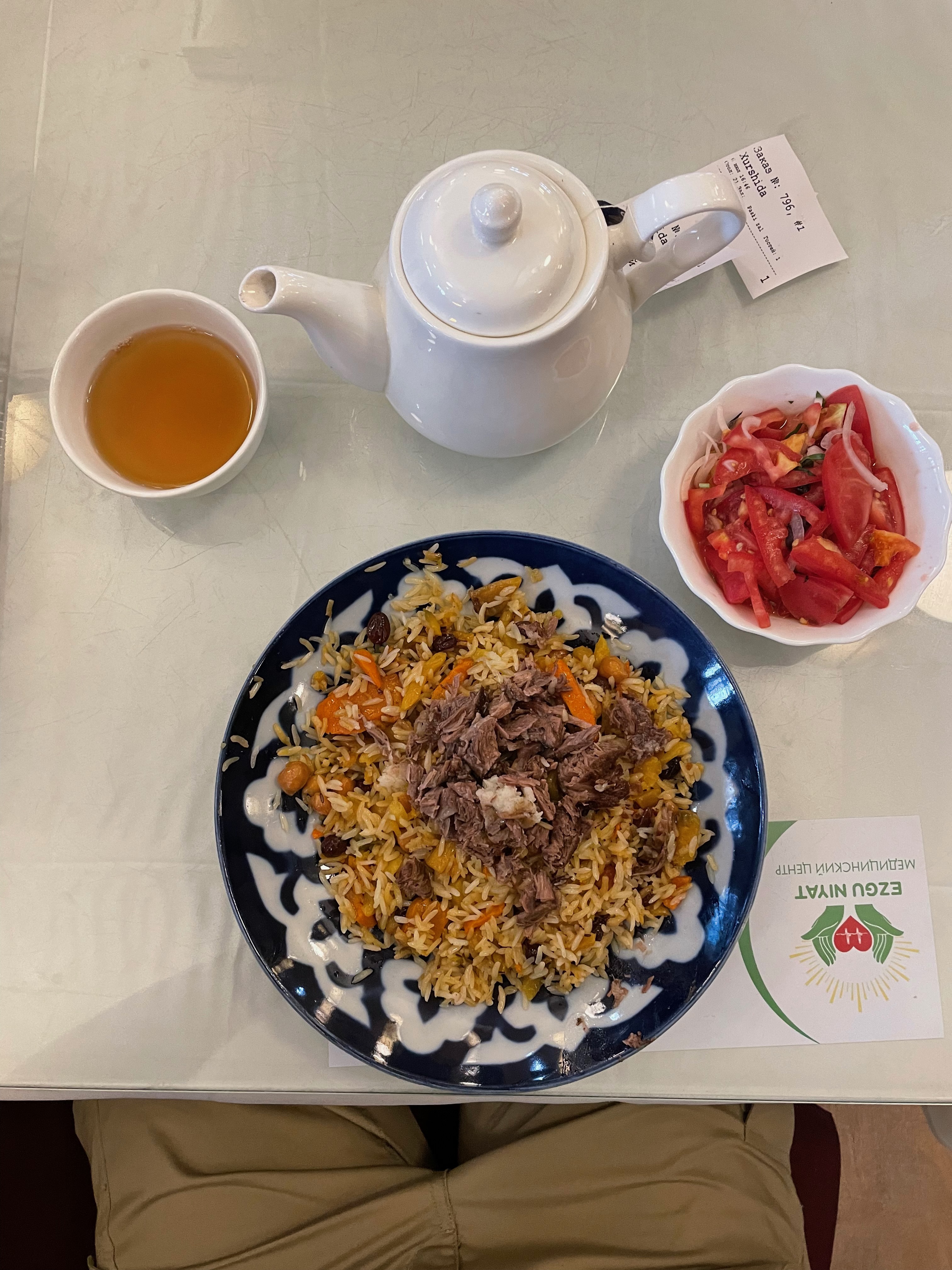
It’s just a few stops on the metro to the TV Tower and definitely worth doing, however, if you aren’t quite as much of a Soviet art addict as me you can always visit Besh Qozon Plov Centre, about a 2-minute walk from the TV Tower. This massive restaurant serves freshly made Uzbek Plov, a lamb and rice dish, which is cooked in giant pans in an open kitchen which you are free to visit. I was shocked by how good it tasted, as somebody who normally does not eat lamb but gave it a go in order to try the local food, this was one of the most pleasant surprises I’ve had so far in Uzbekistan.
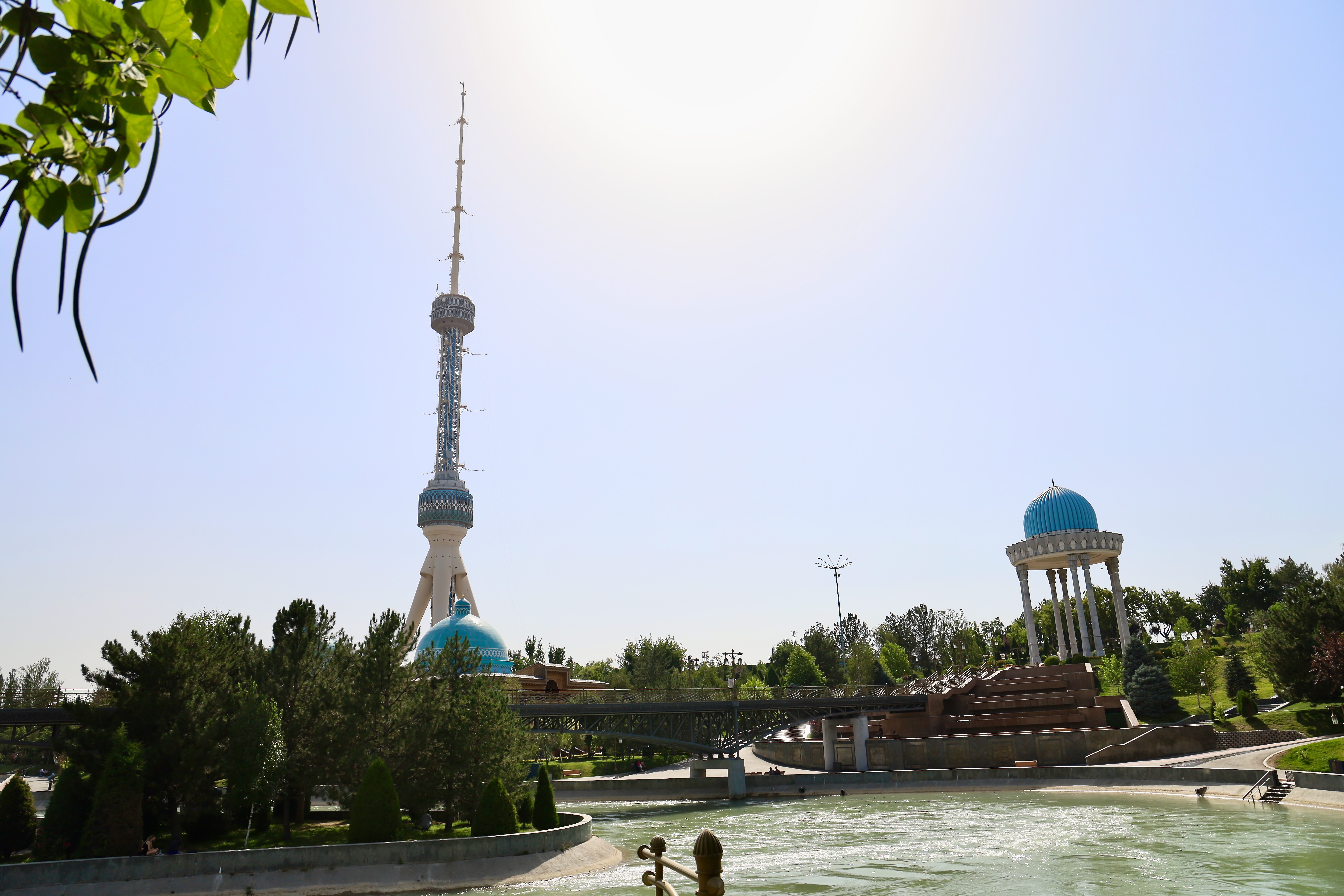
Opposite the TV Tower and the Plov centre is the Memorial to the Victims of Repression in Tashkent. This park and museum document and immortalise the victims of Imperial and Soviet repression in Tashkent and throughout Central Asia. The park opened after the fall of the Soviet Union tastefully incorporates the traditional Uzbek style in a modern context and is a really lovely place to watch the world go by. The juxtaposition of these blue doomed buildings towered over by the Soviet-era TV Tower is a good demonstration of modern Uzbek history.
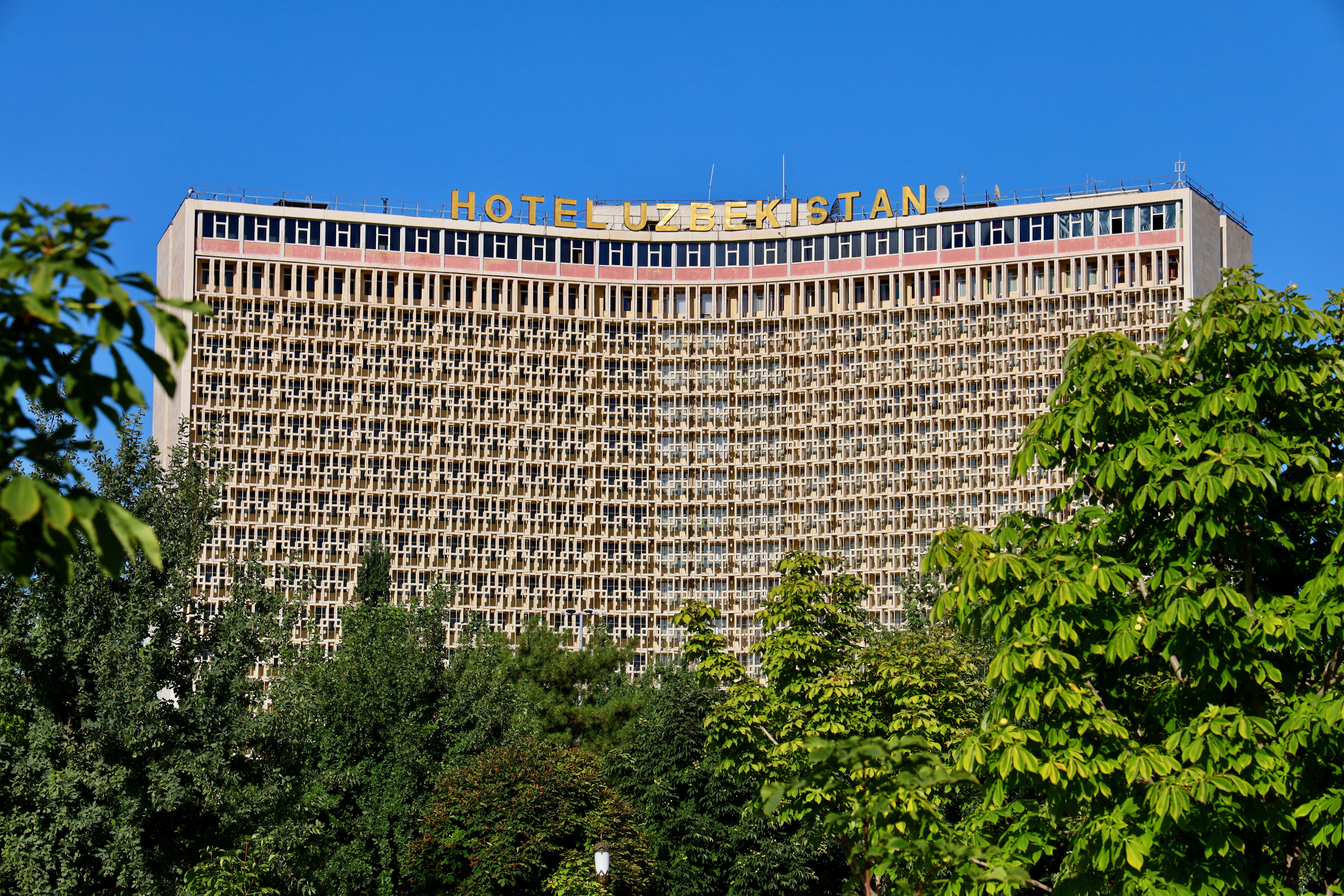
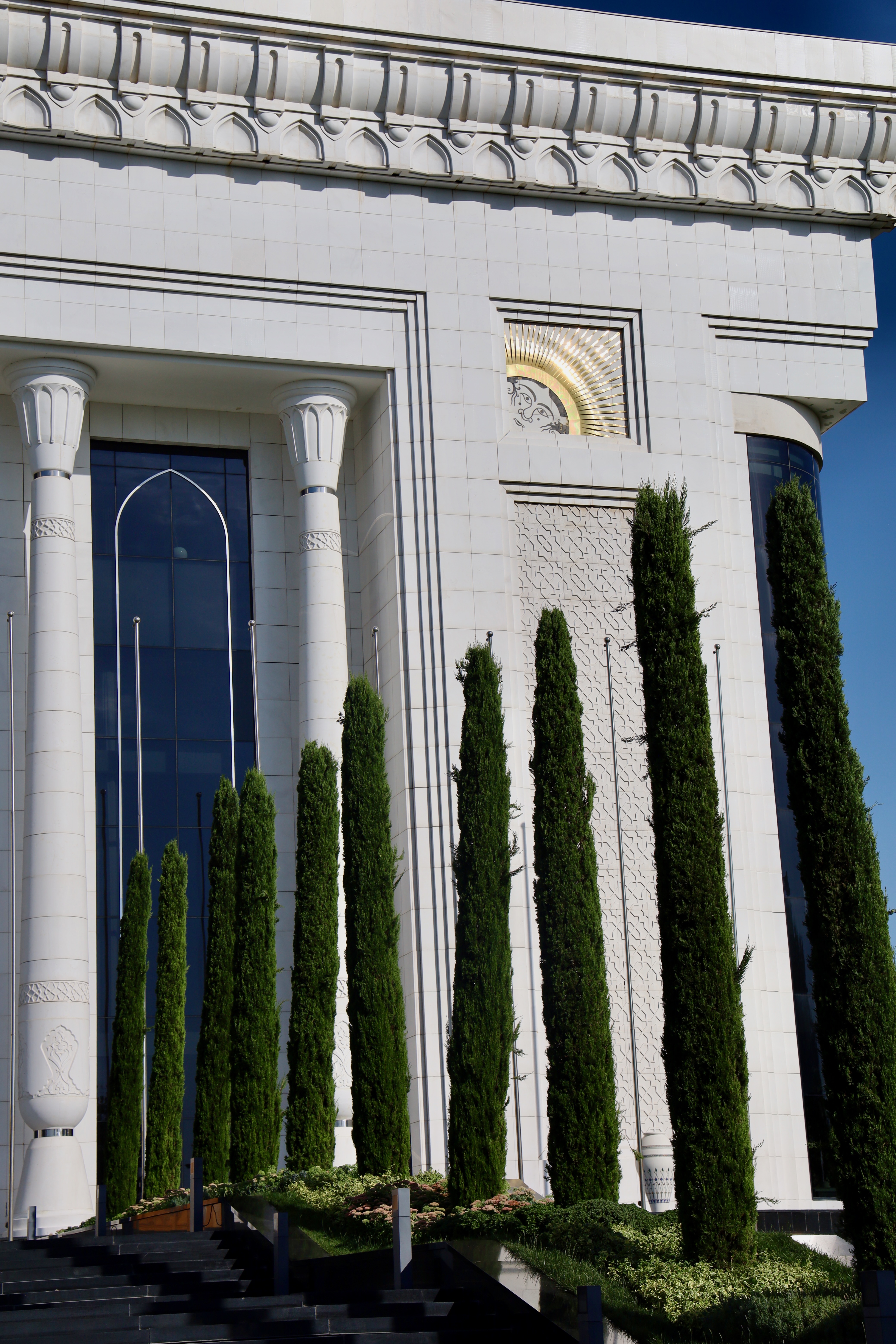
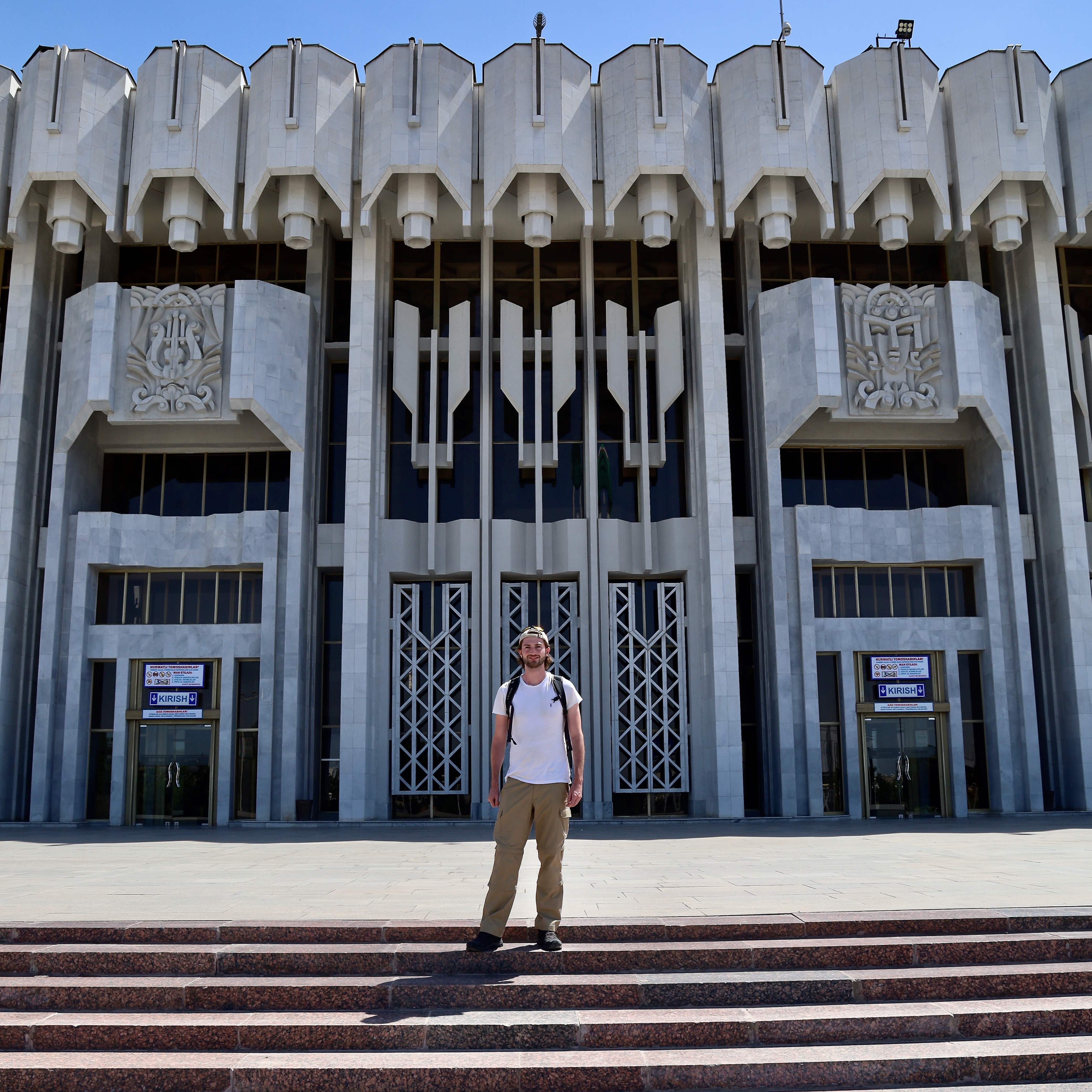
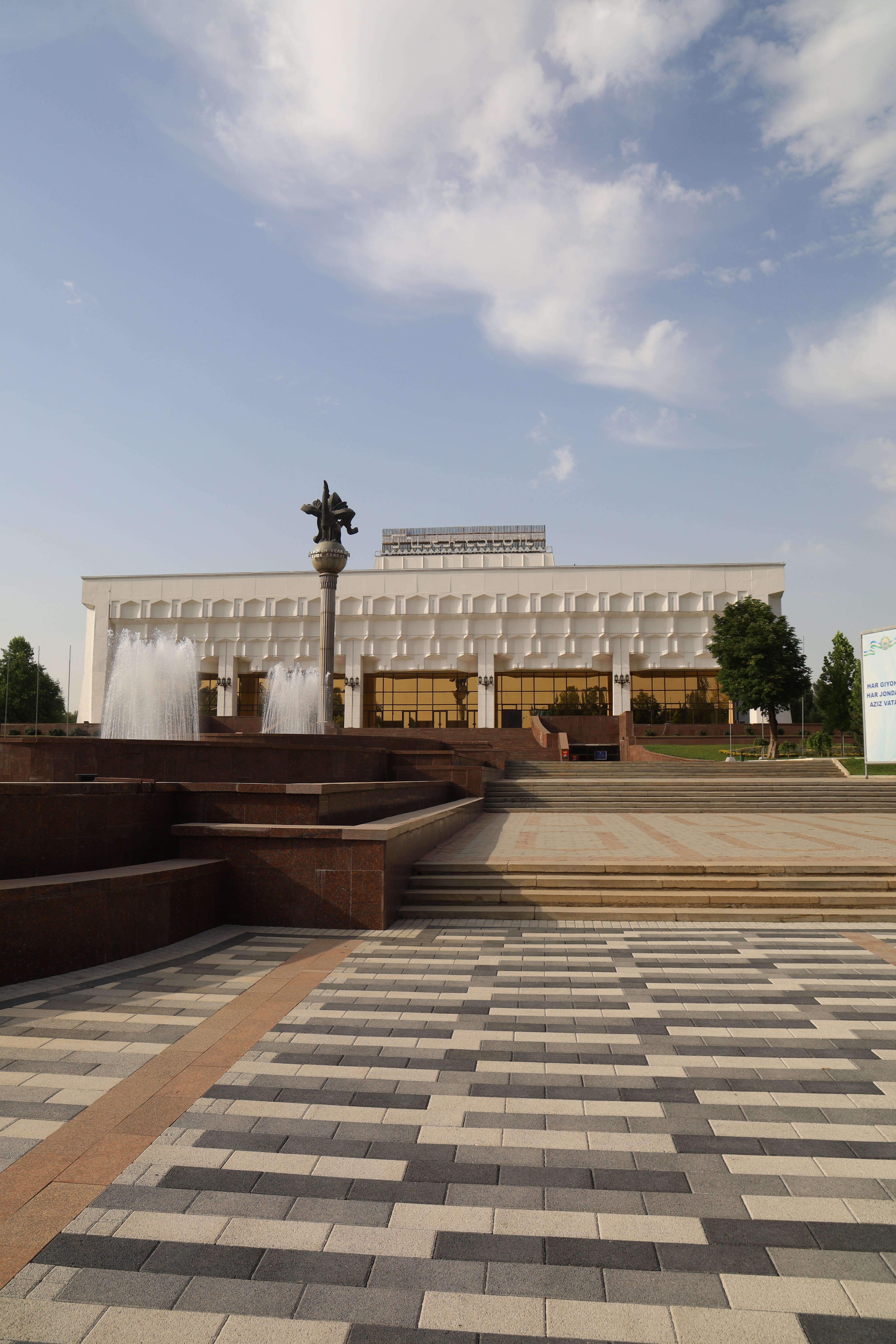
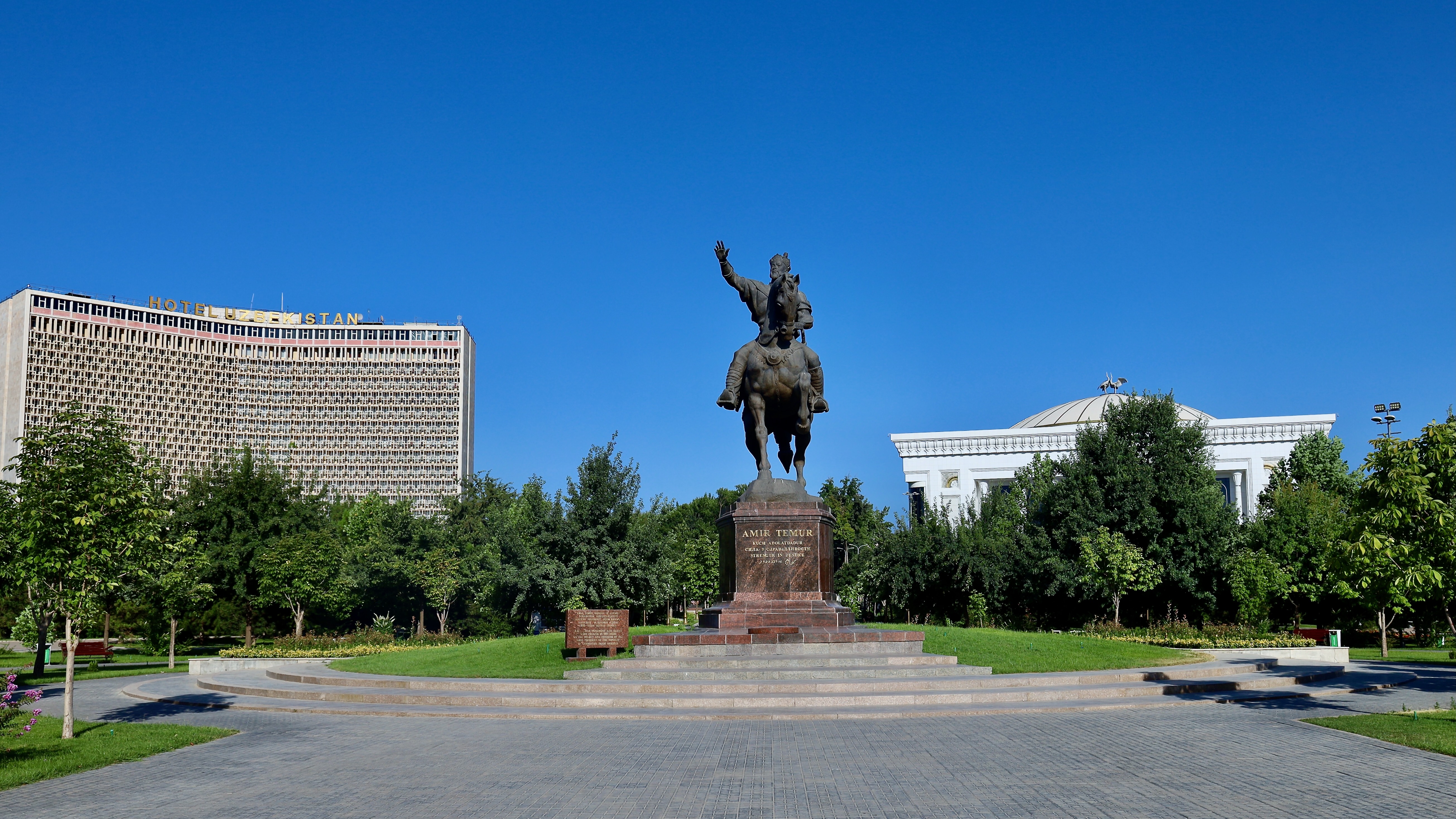
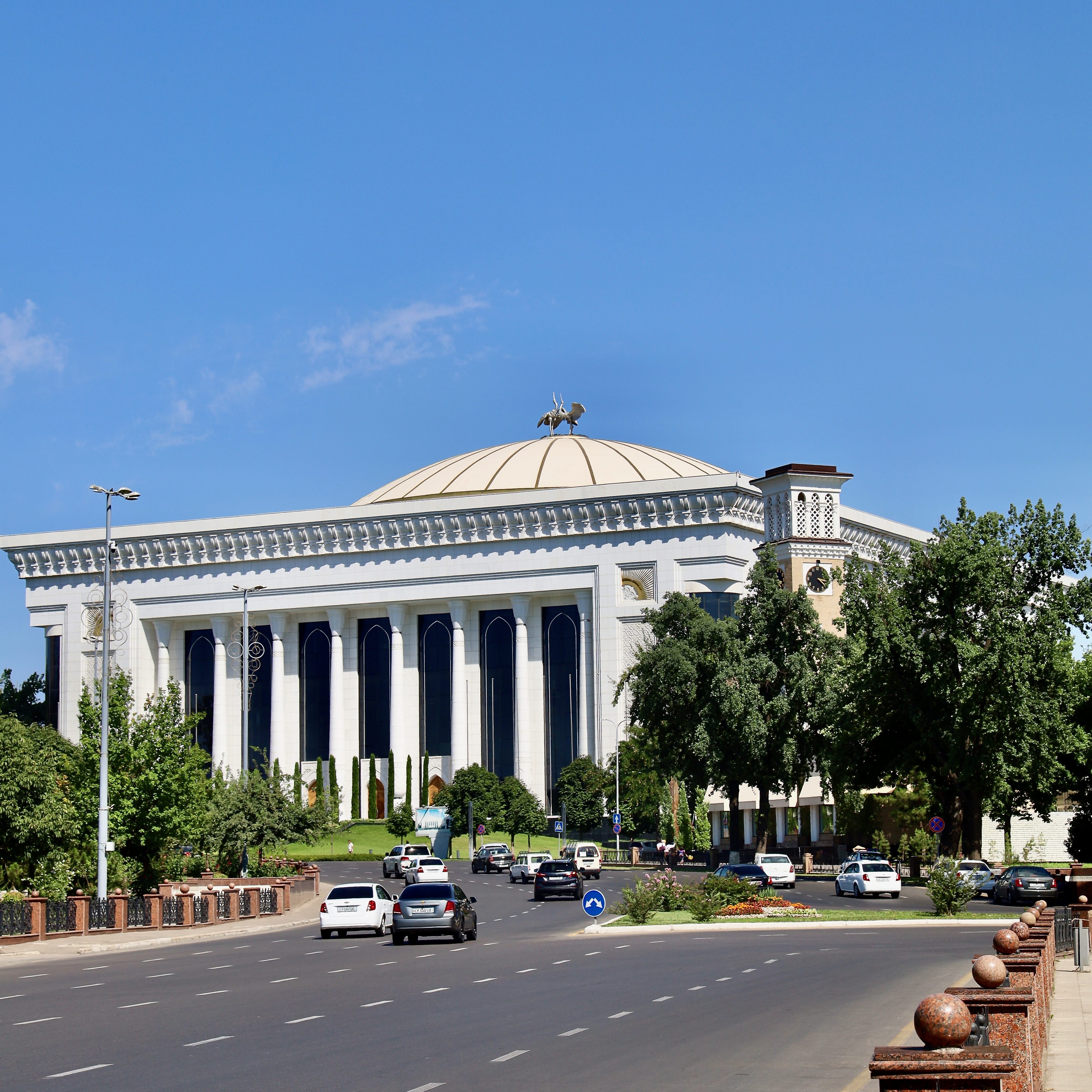
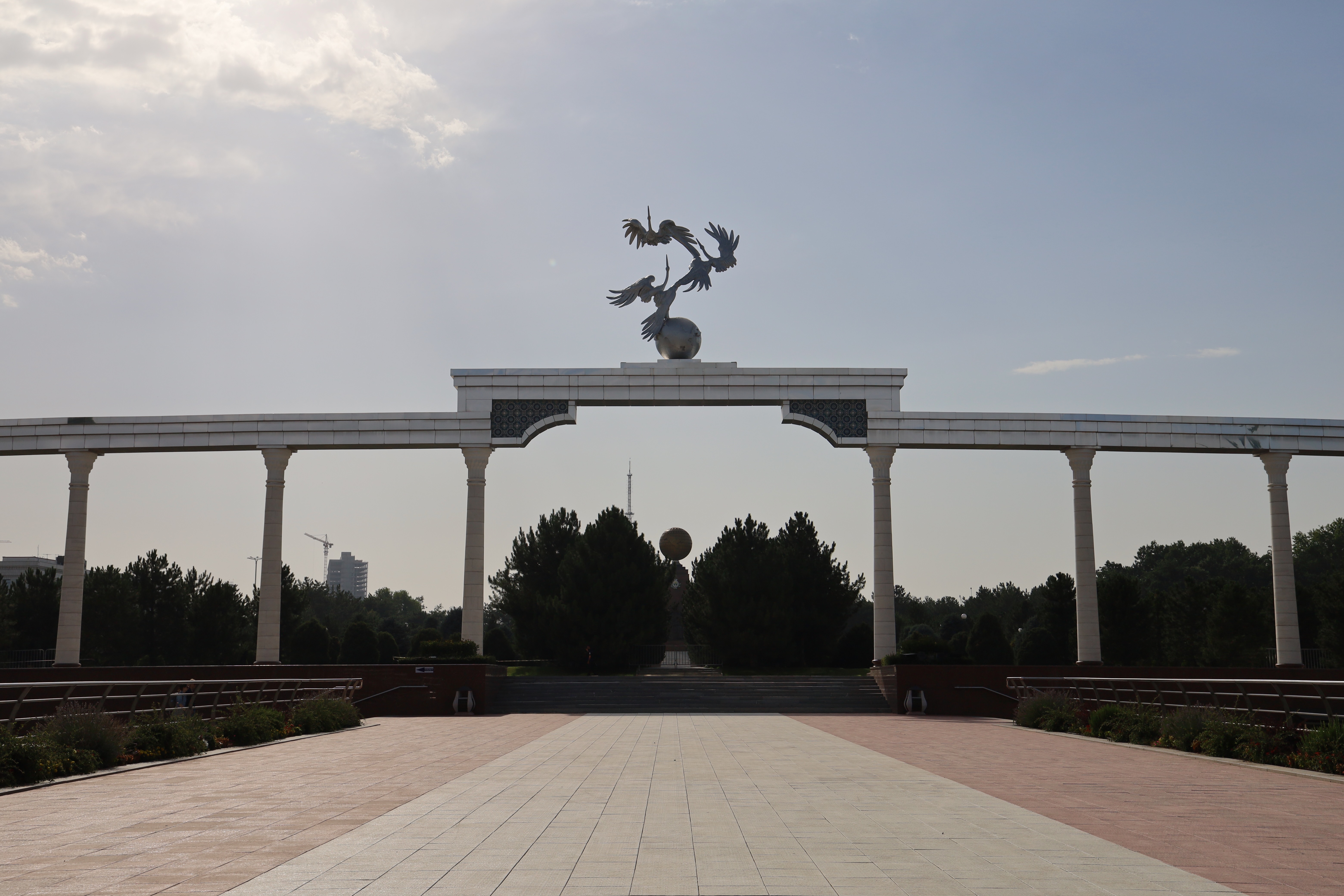
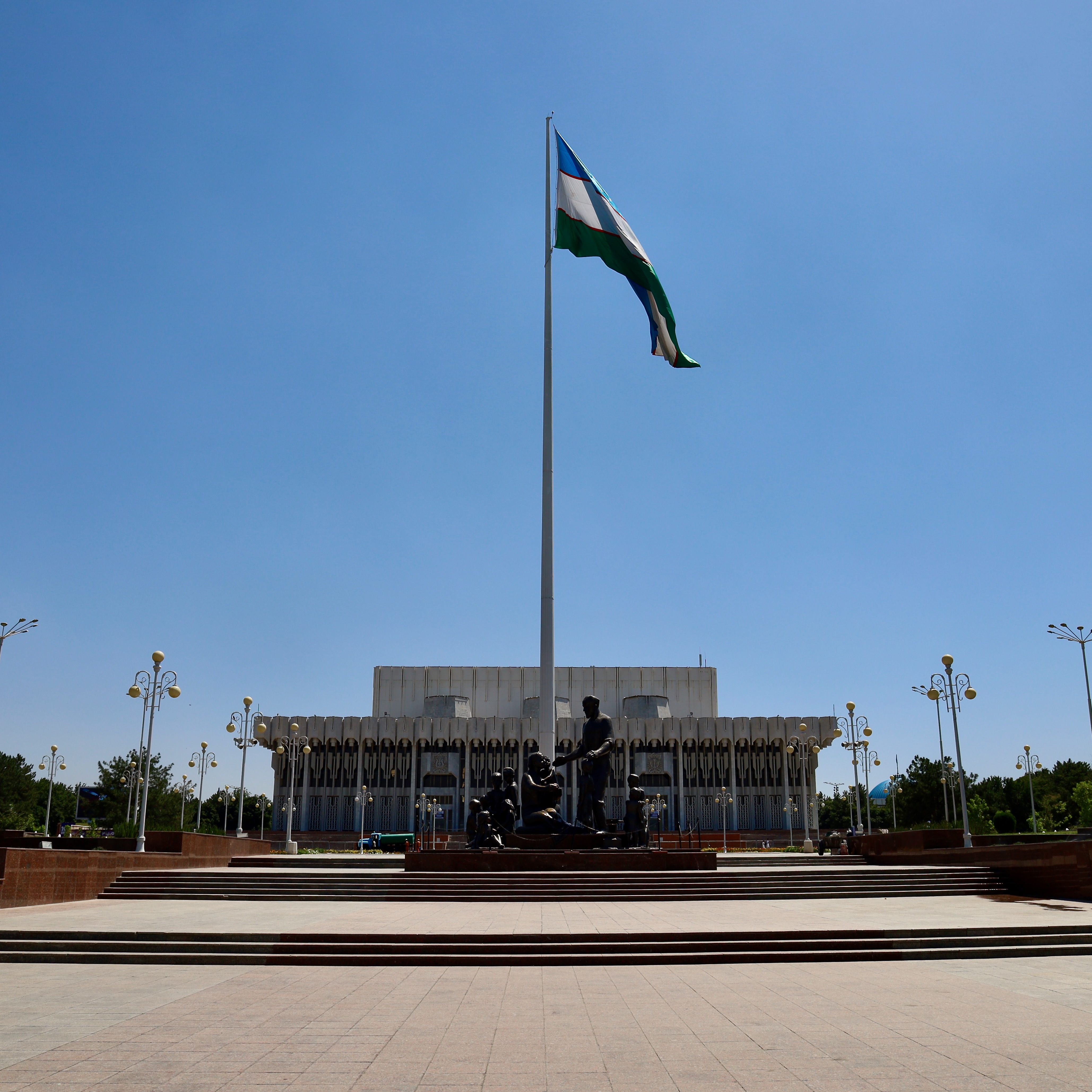
The use of old Uzbek architectural themes is common in the new buildings around Tashkent. The modern Uzbek state is attempting to show its newfound independence through the construction of enormous white buildings, many of which house the various ministries of the government. To me, these new buildings lack the character of the historic and soviet-era architecture. Nevertheless the attempts to incorporate some historical themes into the buildings such as the Palace of International Forums, which stands on Amir Temur square opposite the Hotel Uzbekistan. This square really does depict the 3 sides of Tashkent. The statue, of the famous leader of the Timurid Empire in the late 14th century, the Soviet architecture of the Hotel Uzbekistan and the new Uzbekistan of the Palace of International Forums.
Overall Tashkent has shocked me in the best possible way, the city is diverse and interesting with wonderful art and architecture. The parks, like many Soviet cities, are plentiful and present a great place to spend the evening watching the world go by. And finally, the people, everyone I’ve met has been so kind. There are few places in the world I have felt safer and more welcome. I’ve spoken more Russian in the last few days than in my life I think until now, but that is simply because everyone I’ve come into contact with is interested in why I’m there and what I think of their city. My answer is simple, I love it. Lastly, I would like to say a big thanks to my guide Mikhail from Irene Plus Travel Company in Tashkent. I sadly had to cancel my trip with his company in Karakalpakstan due to the security situation, but his help and generous offering of his time whilst I was in Tashkent to show me the city and organise alternative trips for me are greatly appreciated.
Accommodation
For the majority of my stay, I stayed in Art Hostel, situated a 15-minute walk south of the city centre. The hostel has everything you would expect in a hostel, as well as a small pool and is a good budget option for anyone staying in Tashkent.
Booking.com Link: http://www.booking.com/Share-UOI9i4
Price (as of July 2022)
4-Bed Dorm – £8 per night
Single Bed Private room – £14 per night
Things to do
Amir Temur Square
The centre of the city and where it is easy to see the confluence of historic, Soviet, and contemporary Tashkent.
Hazrati Imam and Chorsu Bazaar
Hazrati Imam, Chorsu Bazaar and the residential area between of Old Tashkent is a must-see in my opinion. When you enter this district you feel as if you have left the Soviet Union and entered Asia and is fascinating. If you visit the bazaar I would recommend trying the freshly baked bread and perhaps having Uyghur Lagman at Lagmanhona close to the bazaar for lunch.
Tashkent TV Tower
As I’ve already mentioned, I love the TV Tower and the murals and is definitely worth a visit. Whilst you are there you can visit the parks nearby as well as the excellent Plov Centre.
State Museum of Applied Arts
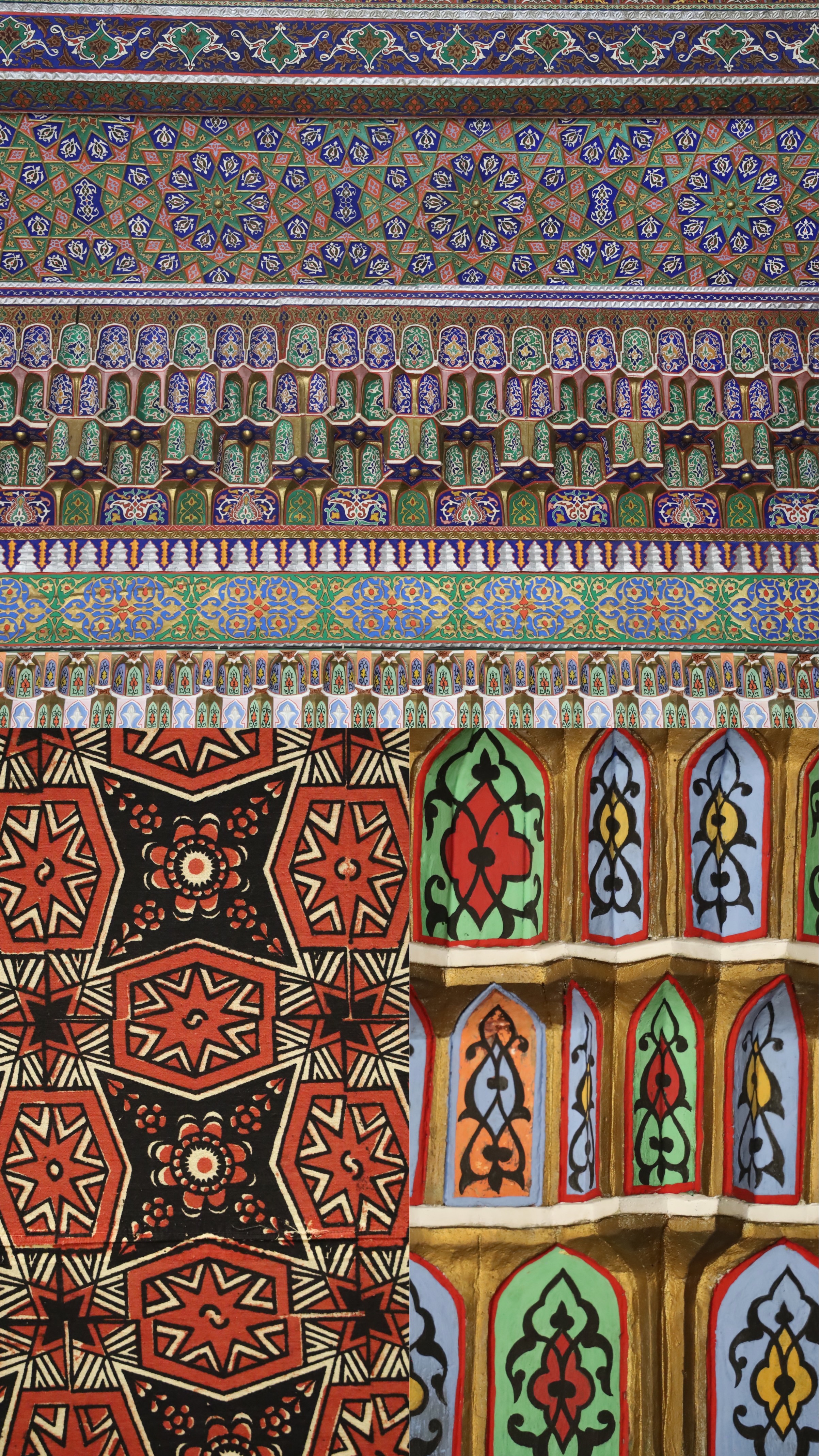
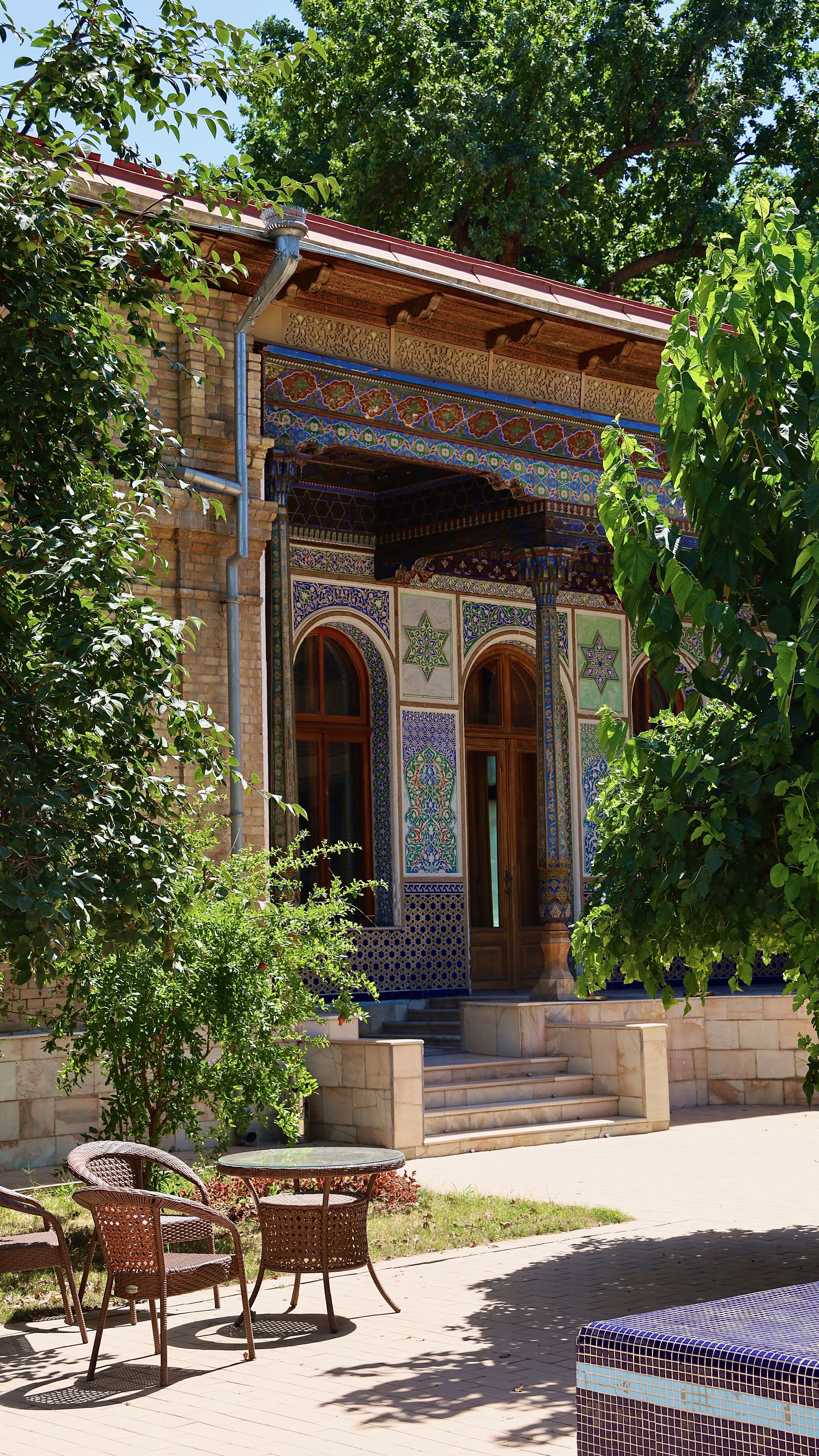
Situated close to the hostel I stayed in, the museum demonstrates the beautiful crafts of Uzbekistan, from carpets to scarfs, to woodwork. They are all fascinating. The building itself is a historic, vividly decorated building which is worth a visit in of itself.
Just wander around!!
The city is safe, beautiful and fascinating. You will find more and more things by just wandering around it. If you see a cool museum, just go in, they will rarely cost more than £2. Just check at metro stations when you come across them, and engage with the people when they speak to you, the world is a far more fascinating place and well understood place when you speak to people.
 The Random Wanderer
Leave a comment