
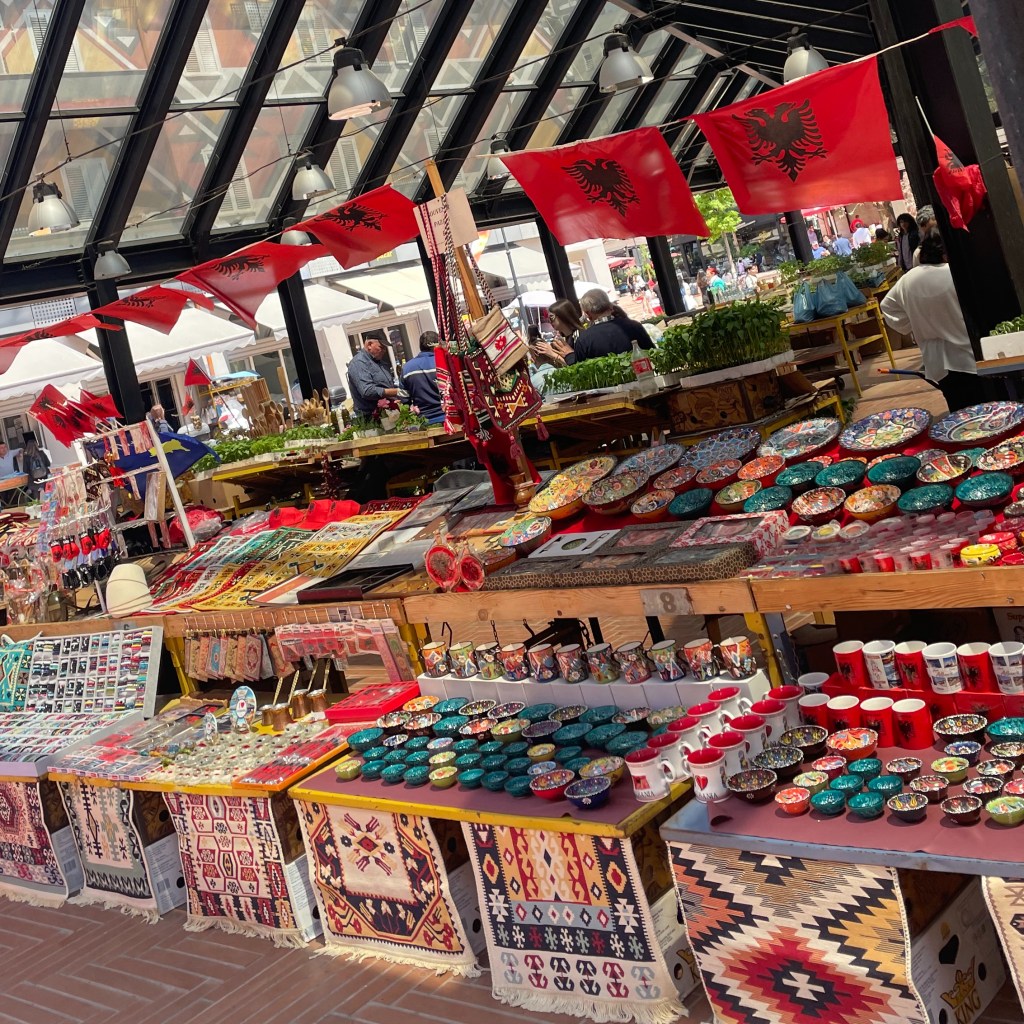
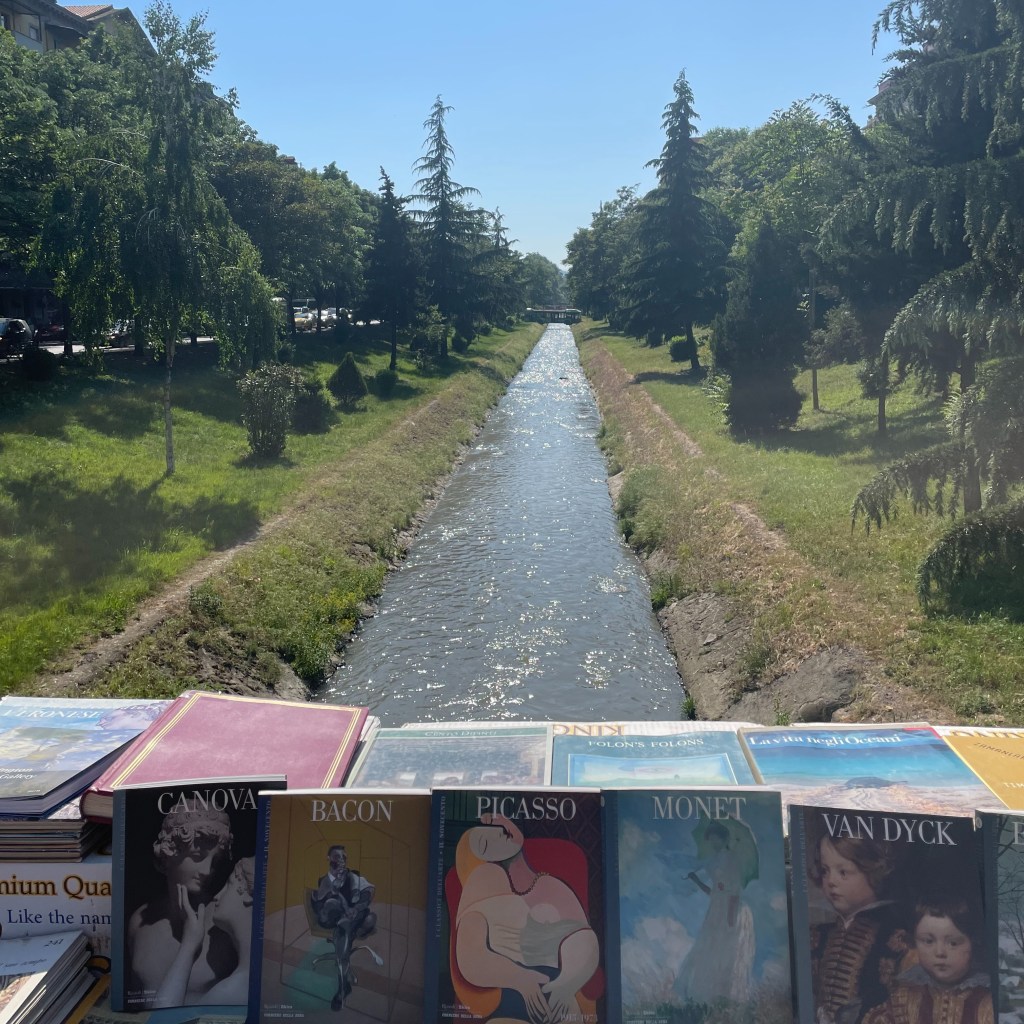
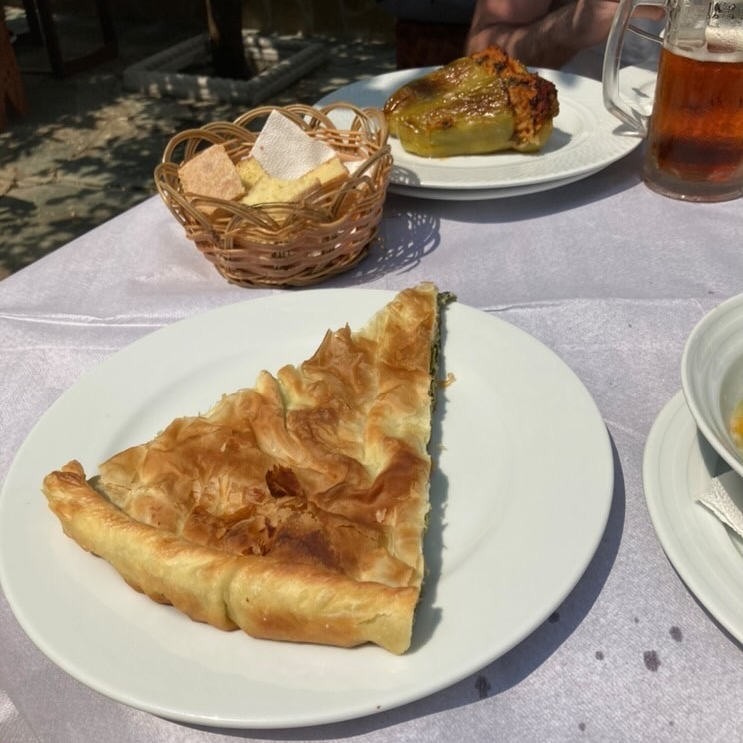
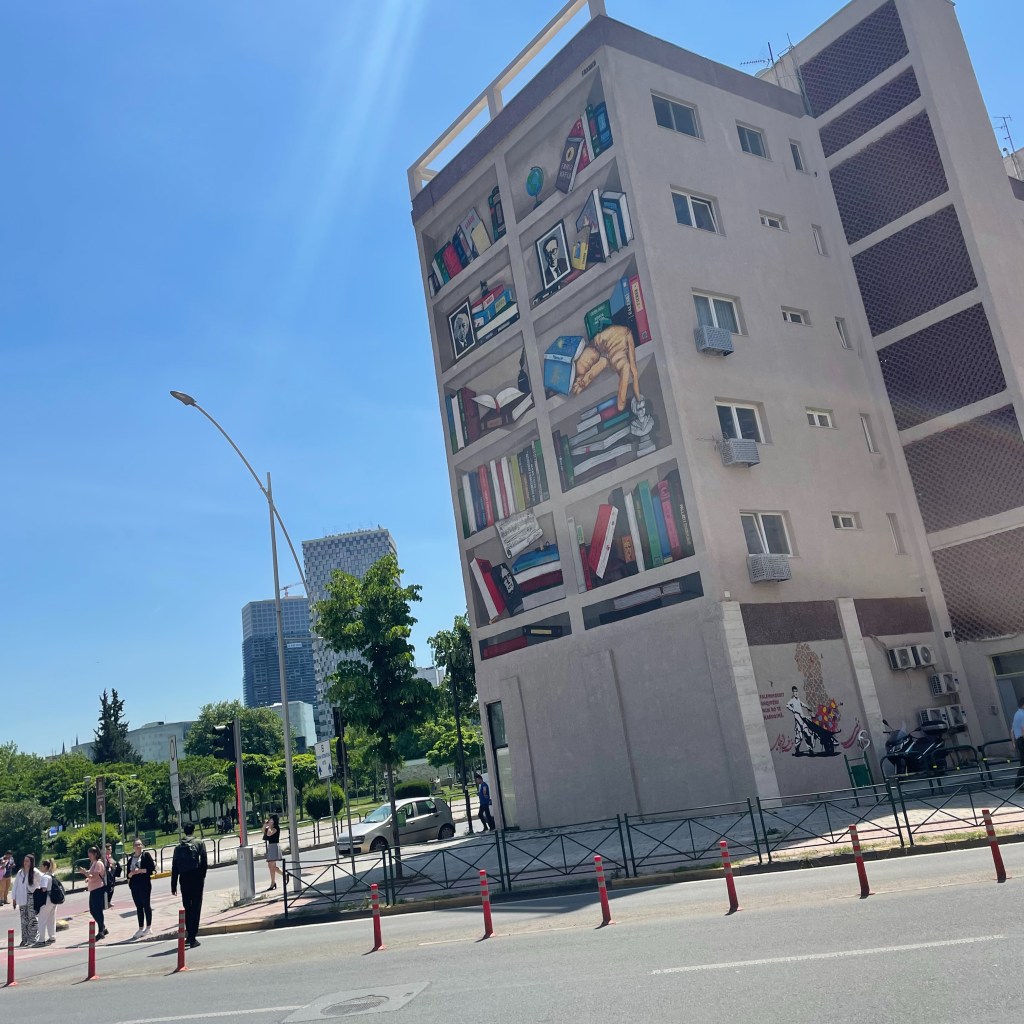
So first up Albania or specifically Tirana, the capital. Before travelling to Albania I feel people either know nothing or very little beyond its perceived poverty relative to the rest of Europe and the Albania Mafia. To some extent this is true, around Albania car graveyards will be seen, many with British number plates, if you want to find your stolen car, the car graveyards around Tirana are probably a good place to start. This being said, this is not the Albania that will stick in your memory when leaving. Tirana struck me, sort of surprisingly as a nice, relatively orderly (except the driving), clean and safe city. Perhaps not beautiful but full of genuinely welcoming people and excellent food, especially spece të mbushur – you can sort of see it in the background of the picture above, it’s a sort of peppers filled with rice thing but it’s genuinely great, I ate at Oda Restaurant and really recommend it. The price of food is almost uncomfortably cheap, but Albania is unrivalled in value for money and for anyone travelling on a budget, it is a great choice.
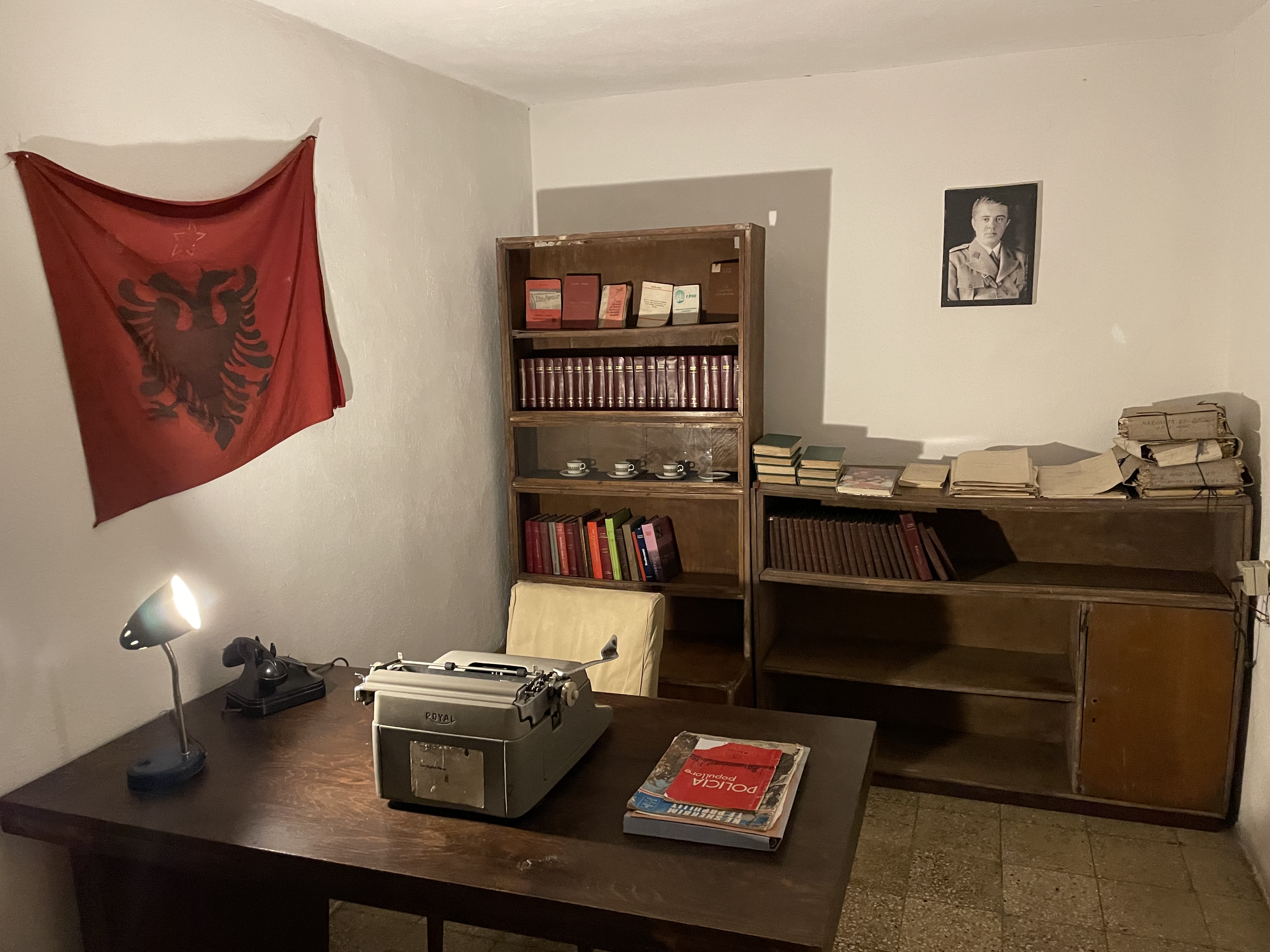
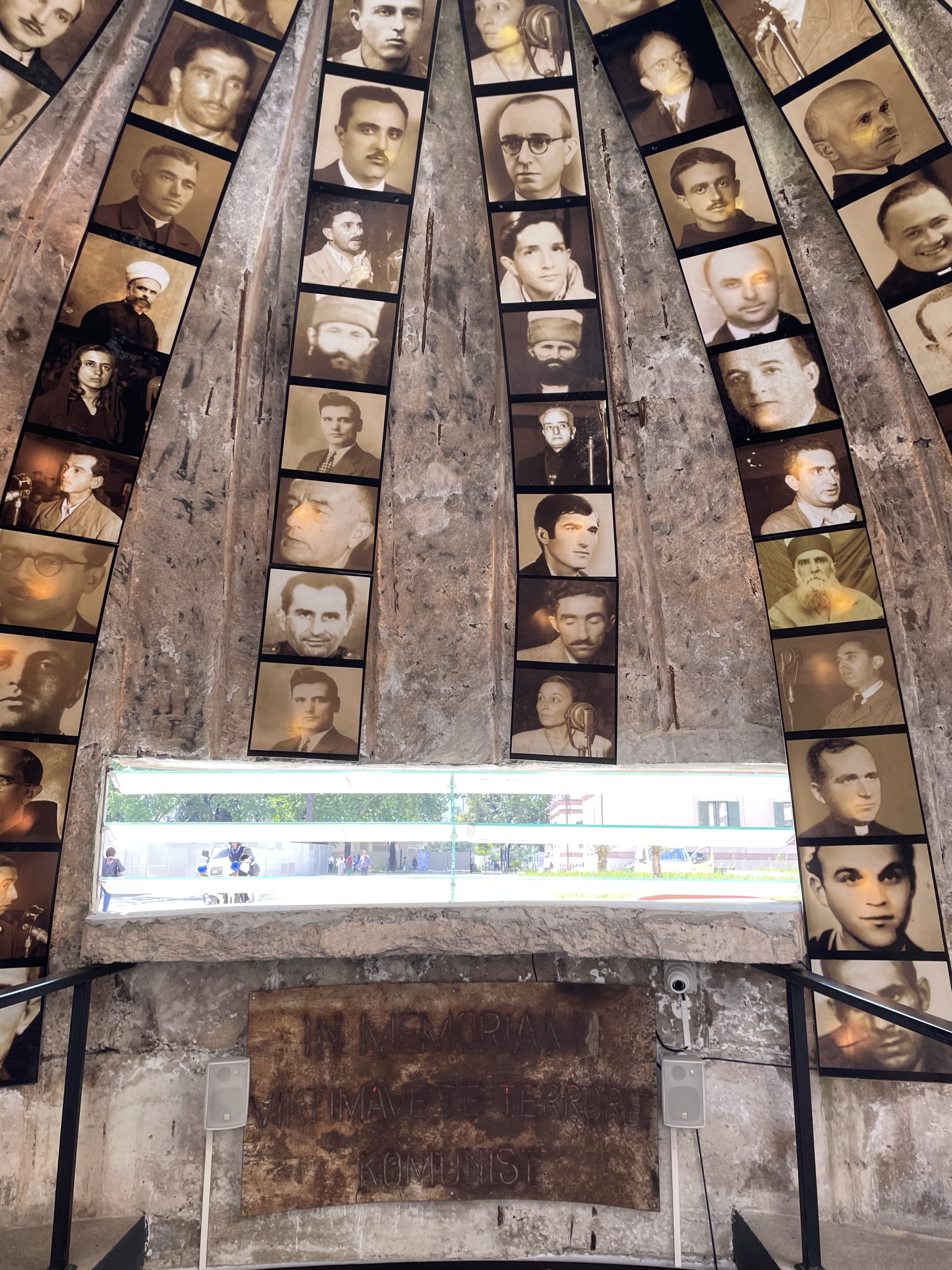
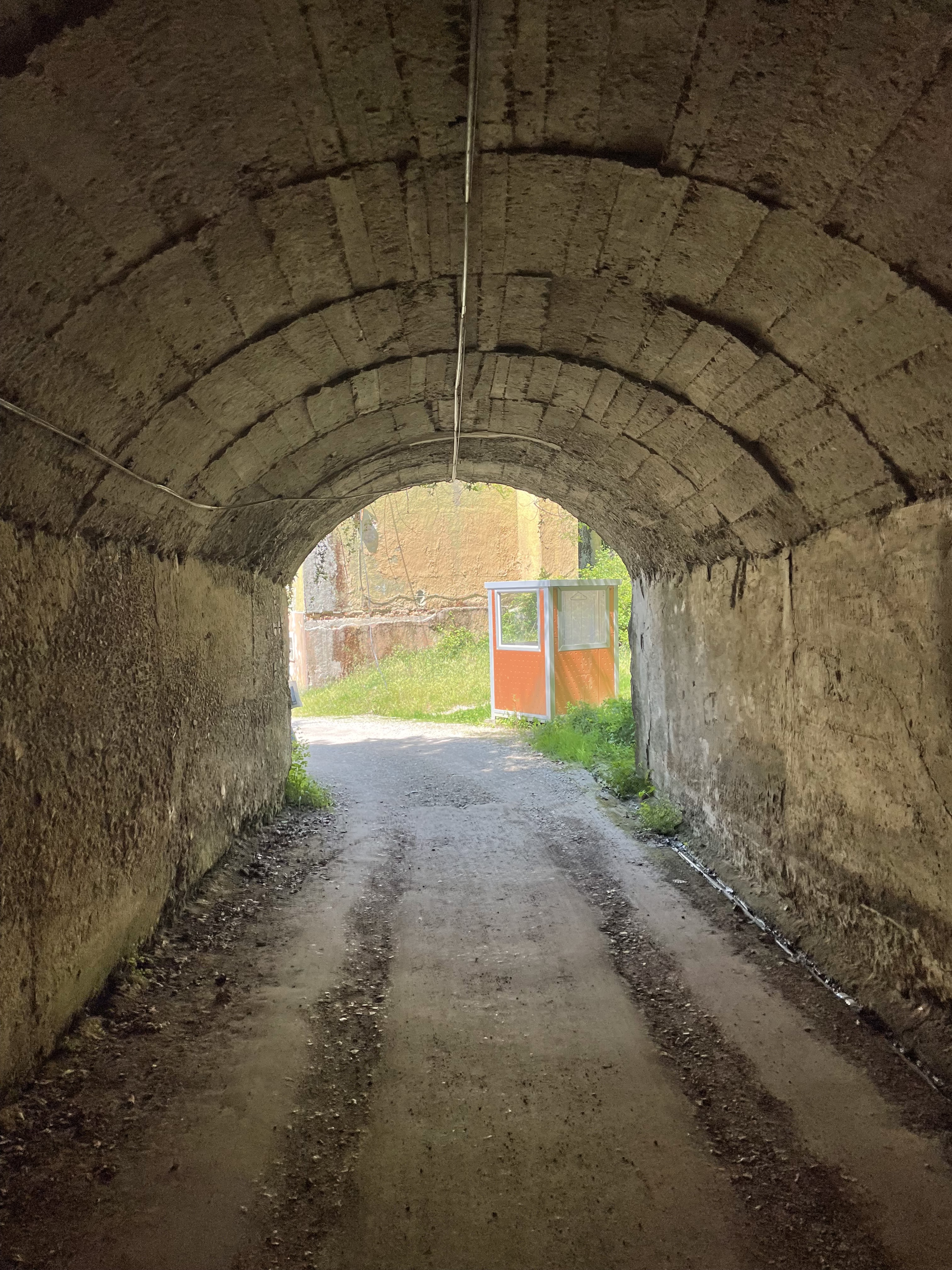
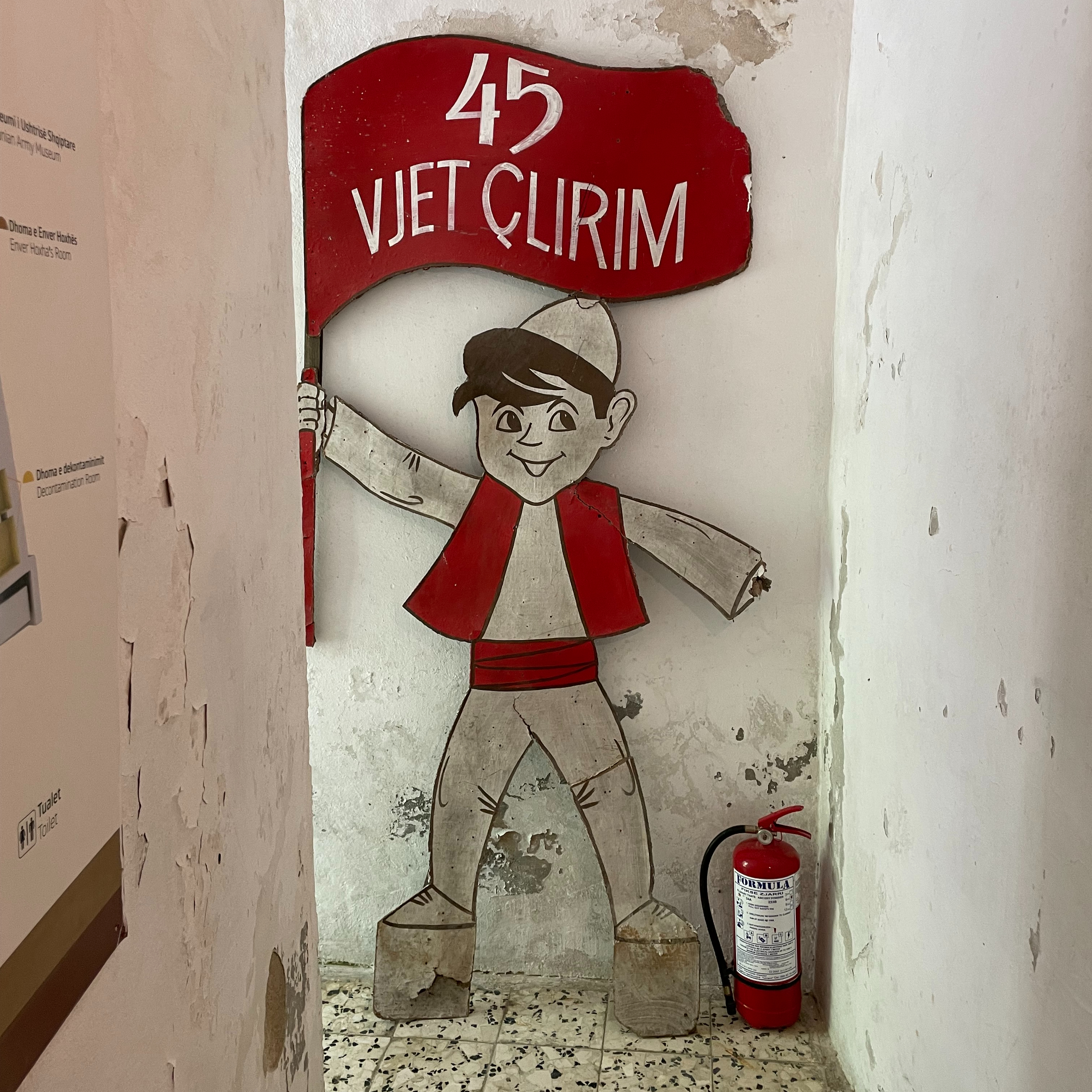
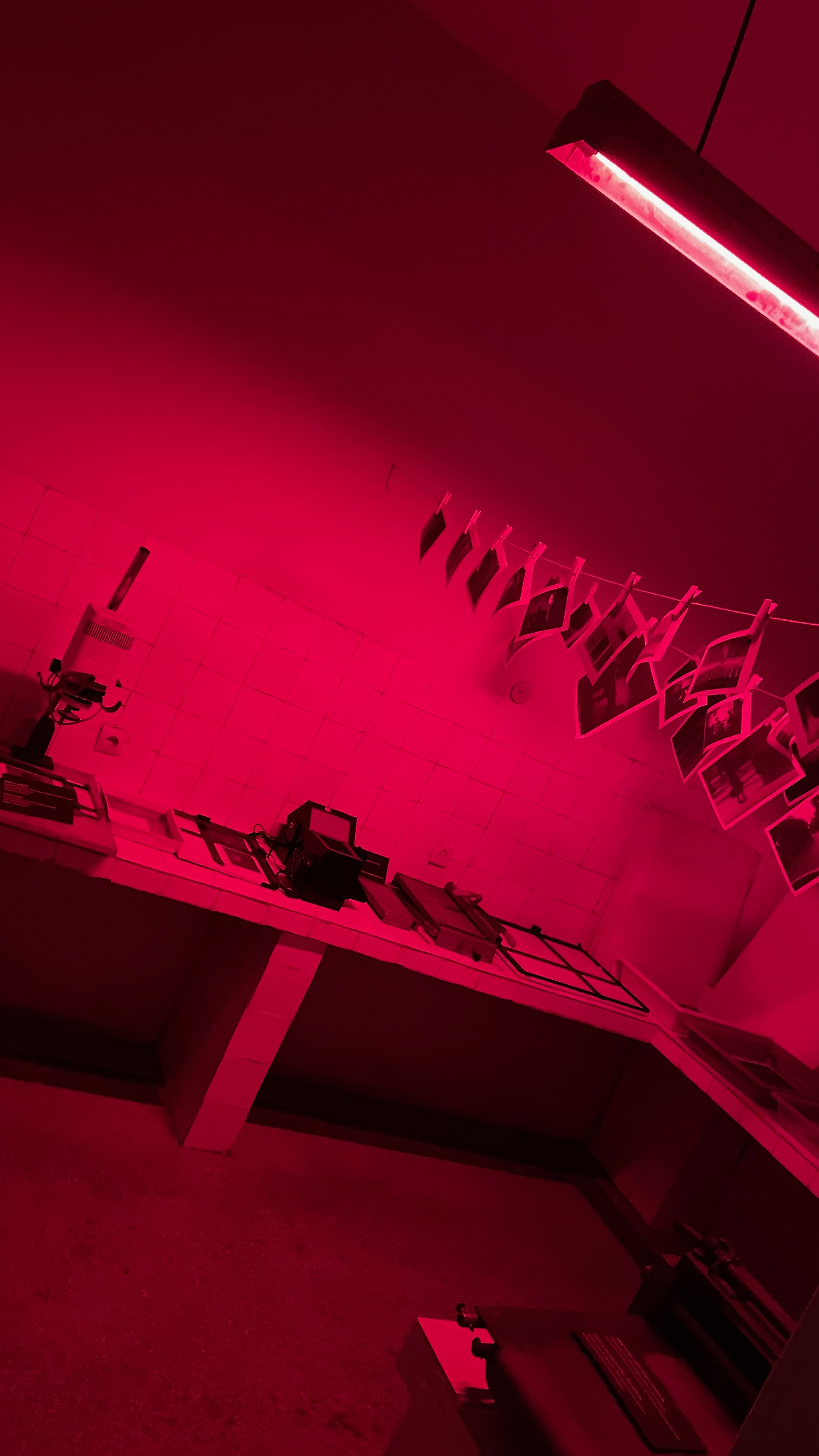
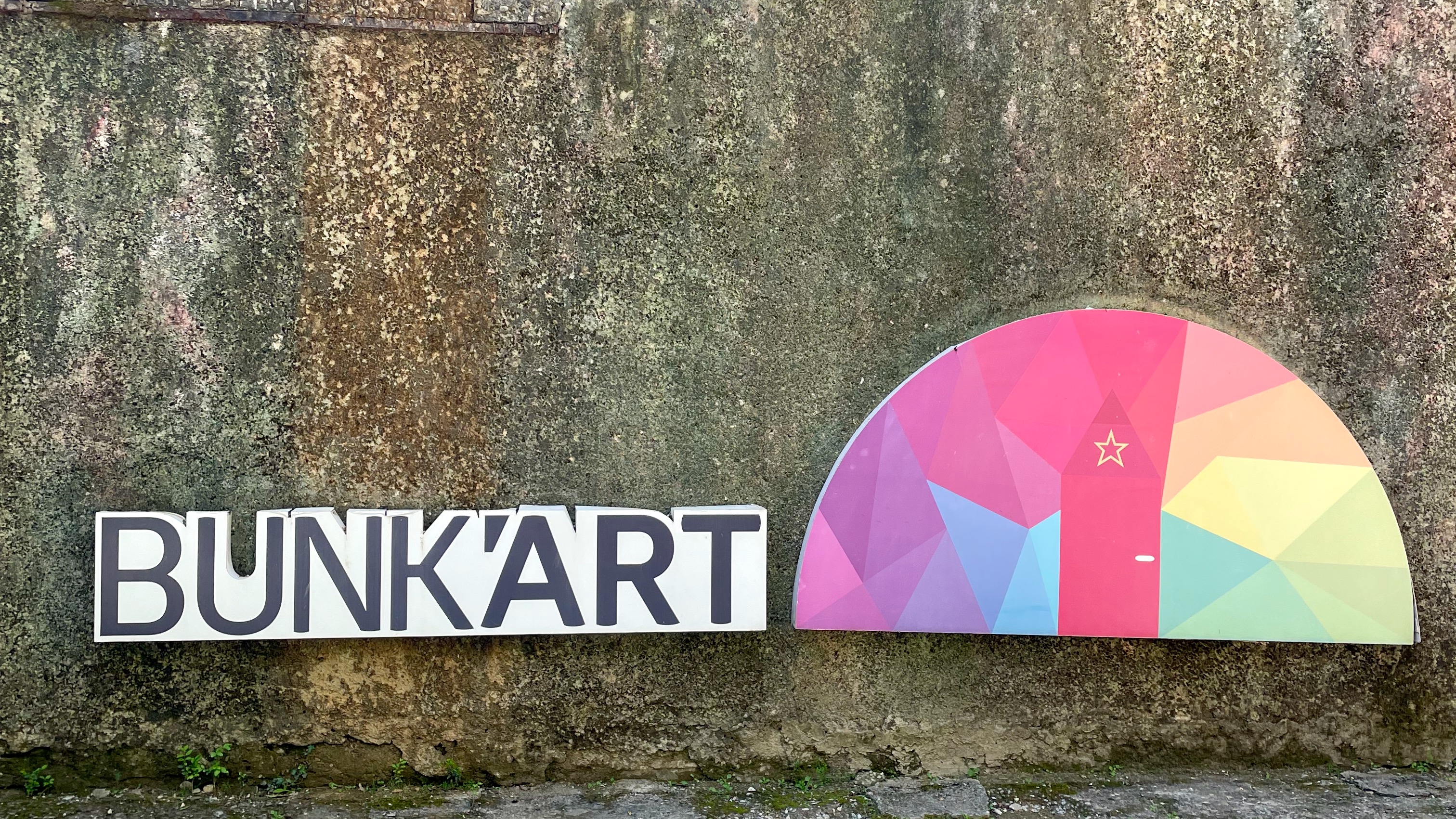
By far the biggest attractions of Tirana are the museums and memorials dedicated to Albania’s harsh and isolated time under Enver Hoxha’s communist regime. During his near 45 year dictatorship, Albania built 173,371 bunkers (the population was only 2.9 million on Hoxha’s death) mainly due to their paranoia that every country was an enemy. Albania had essentially fallen out with neighbouring Yugoslavia, followed by the Soviet Union, followed by China for not being communist enough. This left Albania as perhaps the most isolated state in the world, and from my brief observation with very few benefits of communist rule except for widespread improvement in literacy and electrification. The regime’s paranoia was also present in its widespread surveillance of the population documented in the excellent Bunk’Art museum on the edge of the city in Enver Hoxha’s personal bunker and the House of Leaves museum in the sent of the city, situated in the former headquarters of the Sigurimi, the heavy-handed security service who ran a sort of pyramid scheme of surveillance. Concentration Camps for political prisoners, death sentences and brutal forms of torture were commonplace. People trying to illegally leave the country would be shot on sight on the border, people required a permit to move cities and were constantly under the surveillance of their peers. The limited ability to move and travel is demonstrated by the rapid urbanisation of Tirana since the fall of the communist regime, whose population has more than doubled. Additionally, there was a lack of cars during the communist times and the rapid increase in the use of cars in Albania can still be seen through the interesting driving style of Albanians as well as still a reasonable reliance on the bicycle, seeing older men cycling along the main roads around the country is far from uncommon.
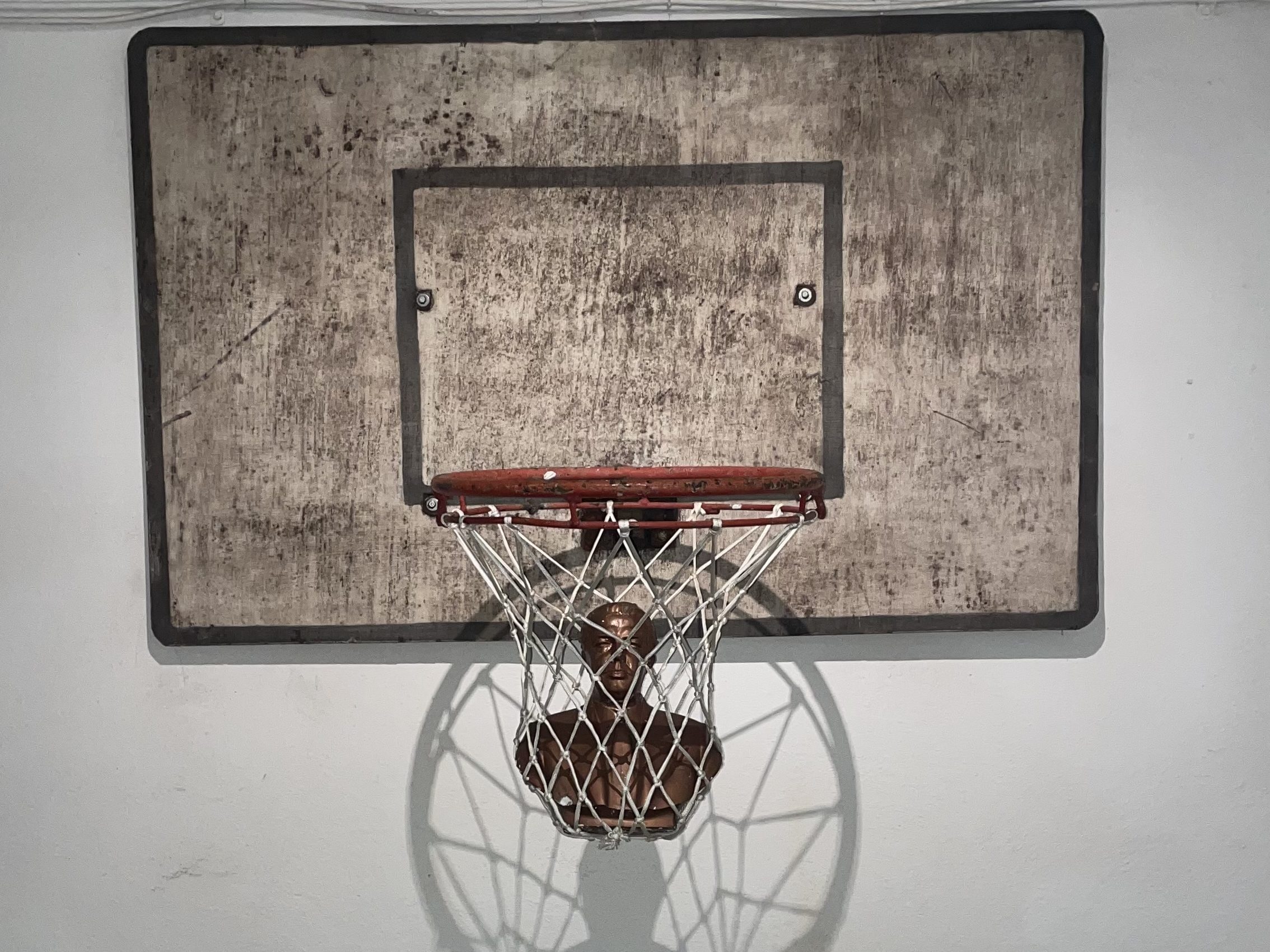
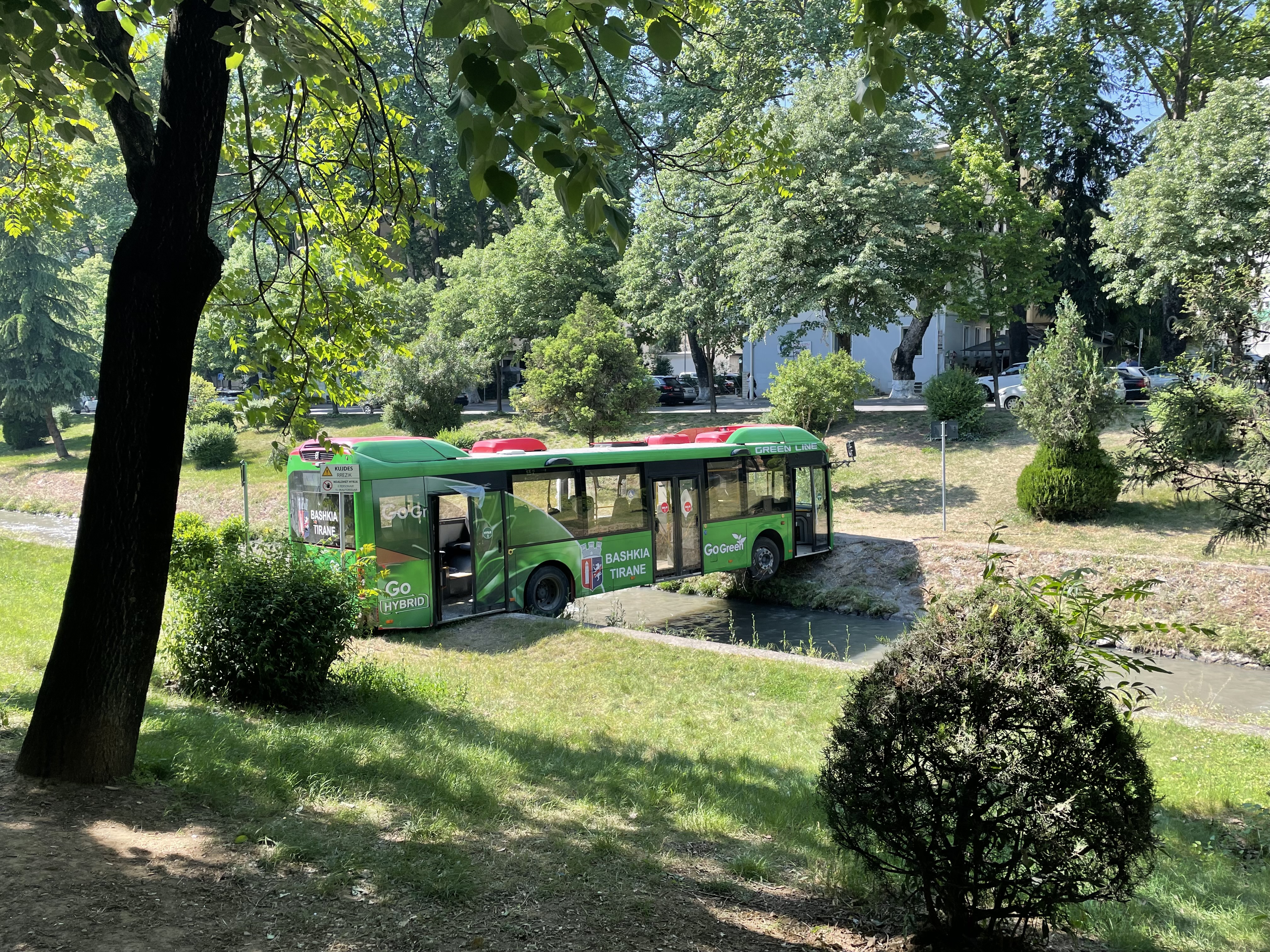
However, despite its troubled history over the last century and its current problems of poverty, corruption and international crime, I really hope Albania will have a bright future. The crashed bus which is basically now a bridge in central Tirana apart, the city is currently seeing a lot of construction and renovation turning into a true European capital with aspirations to join the EU in the near future. I really hope to return to Albania one day and visit places other than Tirana which I was unable to such as Gjirokastër and Theth. The landscape is truly spectacular and the whole country is truly fascinating. Faleminderit Shqipërisë!
So, in addition to what I’ve already said on Instagram I thought I would offer some general recommendations for anyone interested in visiting Tirana here:
Accommodation
I stayed in Trip’n’hostel in the centre of the city. This is a truly outstanding hostel with its own bar for the evenings creating a great atmosphere and honestly the free breakfast French toast is incredible, realistically a good enough reason alone to return one day. The dorm rooms are also great, fitted with curtains on each bed which is always a plus so would I definitely recommend.
Hostelworld Link – https://bit.ly/3wxBRY9
Price – Expect to pay between £8 and £12 per night ($10-$15)
Things to do
This list is far from all-encompassing, however, my top 5 things to do in Tirana would be:
Bunk’Art 1 and Bunk’Art 2 museums:
These museums really tell the story of Albanian independence since it first gained its independence in 1912 and are situated in old Hoxha era nuclear bunkers which are incredibly interesting in of themselves.
House of Leaves Museum:
An exceptional museum largely documenting the surveillance techniques from the time of the Hoxha regime. Even for those not particularly interested in history and politics I really recommend to understand just how isolated Albania was during its communist era.
Free Walking Tour:
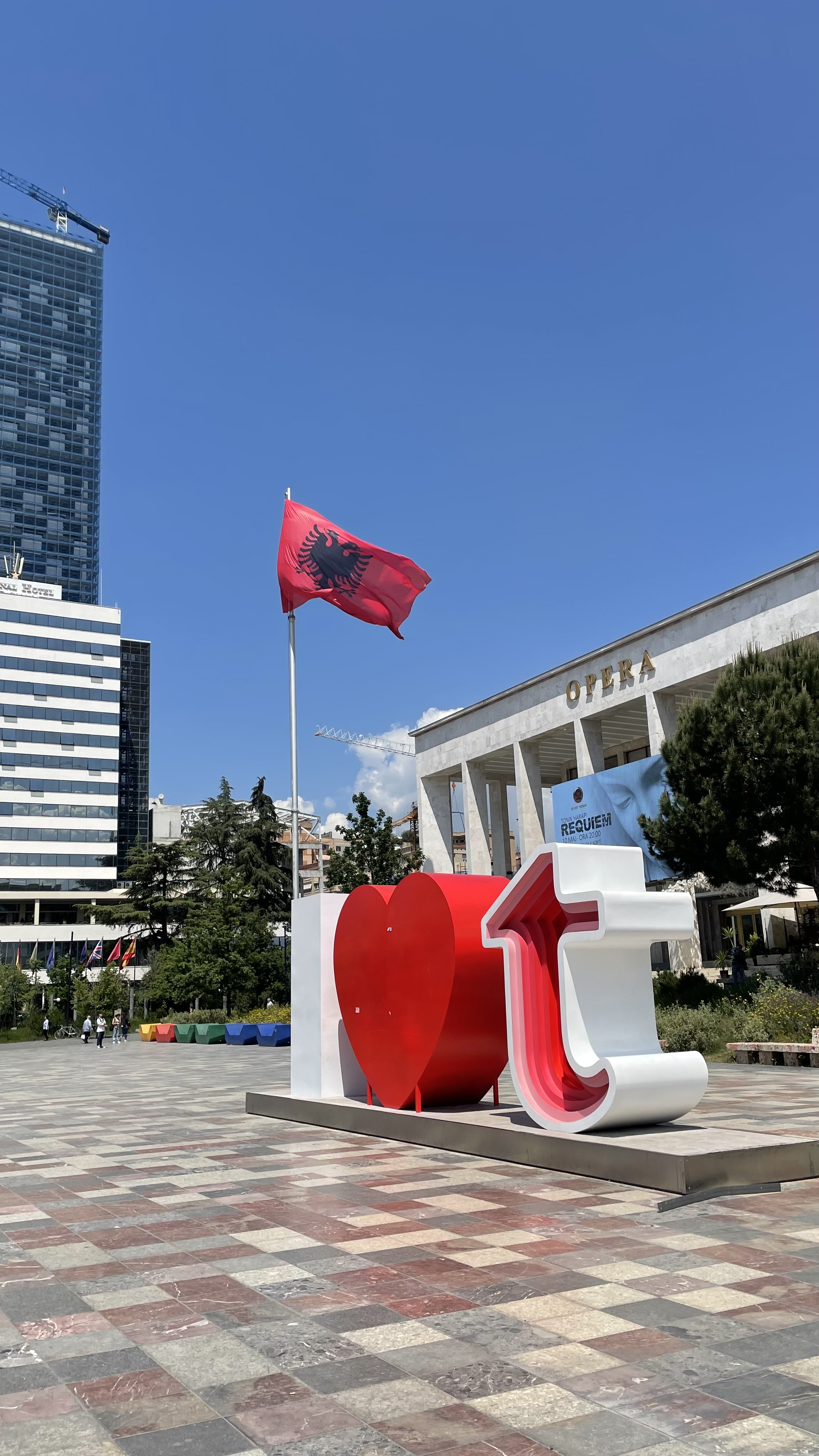
Every day at 10am and 6pm (check if times have changed, correct as of May 2022) a free walking tour lasting about 2 and half hours sets off from outside the Opera house in the centre of the city. The tour is great for gaining an understanding of Albania and Tirana’s history from a local. It’s a great thing to do on the first day of your trip to sort of get an overview of the city.
Dajti Express:
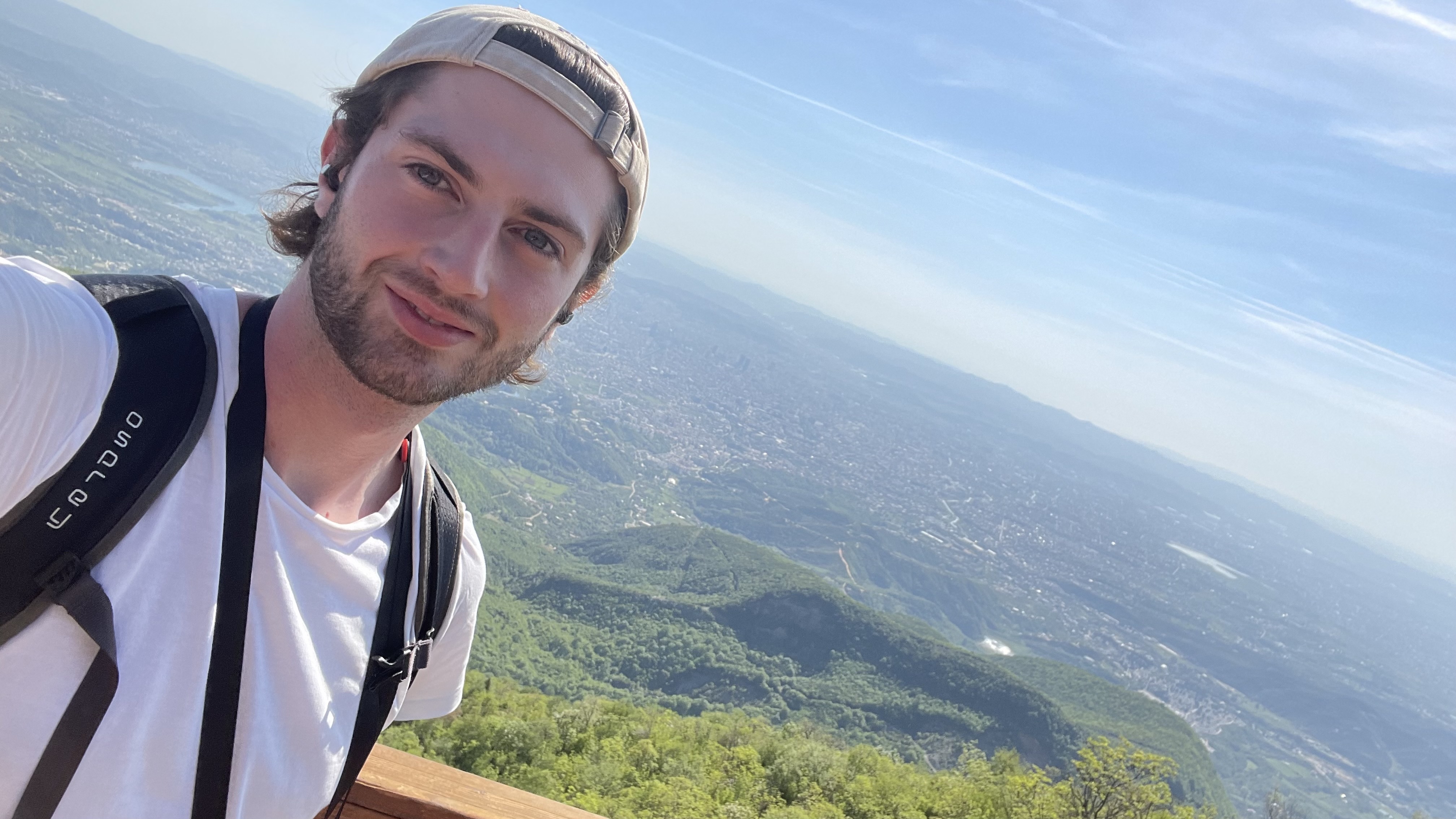
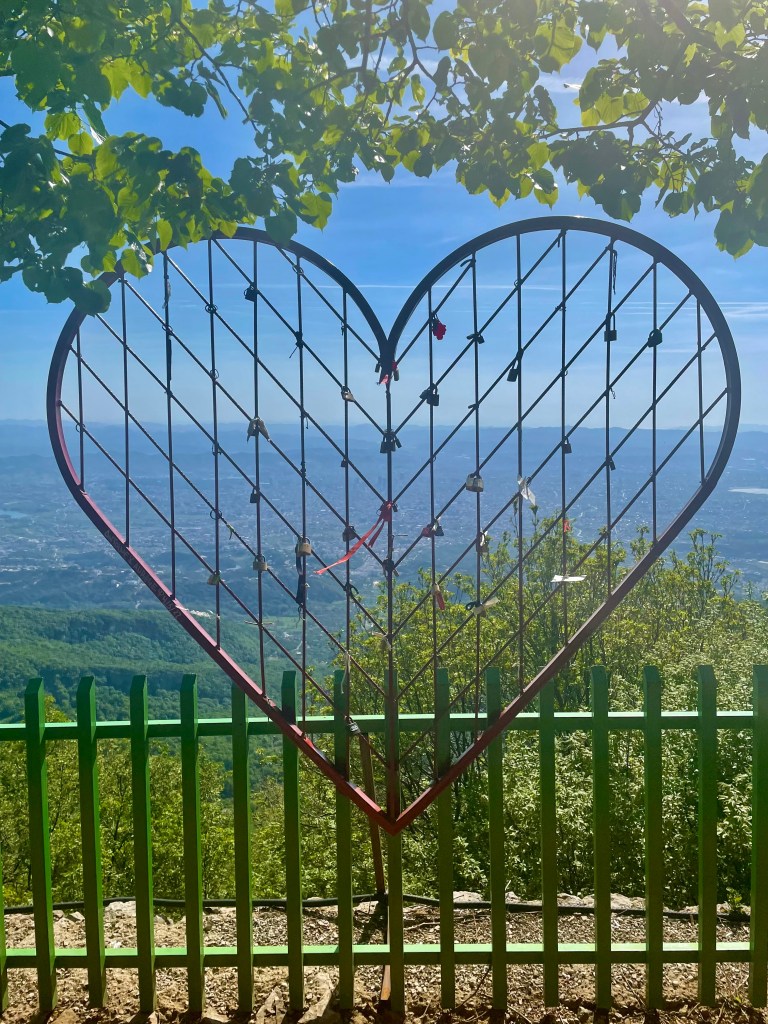
The Dajti Express is a cable car to the top of the mountain overlooking the city. I really enjoyed the peace and quiet of the journey after spending the rest of my day in the nearby Bunk’Art 1 bunker. The view is great and definitely something a bit different in Tirana.
Oda Restaurant:
For some authentic Albanian food, I recommend going to the Oda Restaurant close to the centre of the city. I would say the meat dishes on the menu are overwhelming lamb but there are also some great vegetarian options. I highly recommend the soup followed by spece të mbushur. Very reasonably priced also.
https://www.instagram.com/thomasdoo1ey/


Leave a comment